Motorcycle Permit Test NY: Common Beginner Mistakes to Avoid
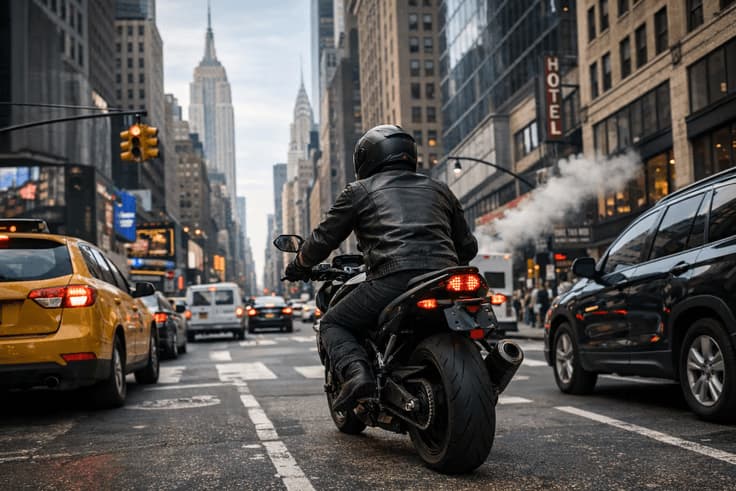
Here's the thing nobody tells you upfront - the motorcycle permit test ny riders have to pass isn't some watered-down version of the car exam. It's a safety test. The DMV wants to know if you can think your way through risk on two wheels, whether that's dodging rideshare chaos in Manhattan or dealing with black ice near Syracuse in late November.
And it's tricky. Two answers often look right, and the difference between them comes down to one word. That's not an accident.
What the NY Motorcycle Permit Test Covers
The test breaks into three zones: road rules, basic motorcycle operation, and rider safety judgment. If you've only ever studied for a car permit, this is going to feel different. The motorcycle version spends way more energy on what could go wrong and what you'd do about it.
Not trivia. Strategy.
You'll get questions about lane positioning, scanning technique, following distance, and how to react to stuff like gravel patches, wet roads, or a car swinging left across your lane. In the city, that left-turning car might be a delivery van cutting through an intersection without signaling. Upstate near Rochester or Buffalo, maybe it's a truck pulling off a snowy shoulder without looking.
Most questions aren't asking "is this legal or illegal." They're asking "what's the safest move right now."
Most Common Beginner Mistakes
People fail for the same handful of reasons. They rush. They assume. Or they answer like they're behind a steering wheel instead of on handlebars.
Here's what keeps showing up on the motorcycle permit ny exam.
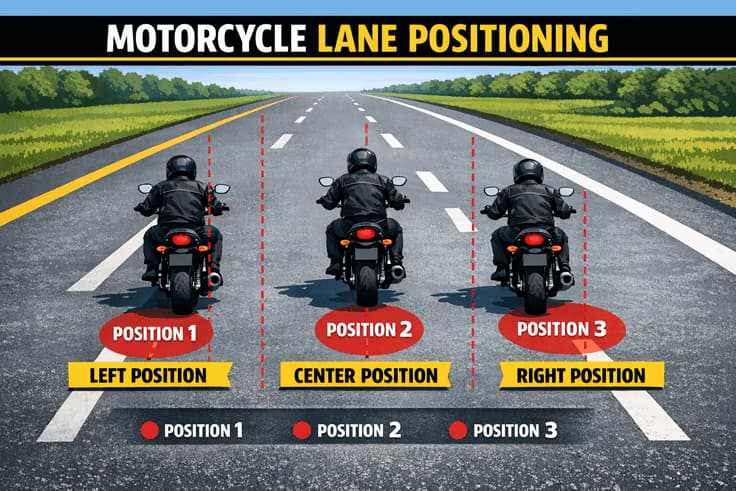
Treating lane position like a preference instead of a tool. The DMV sees lane position as a survival decision. It changes what you see, whether drivers notice you, and how much room you have to escape. Beginners love picking "center of the lane" every time. Sometimes that's right. Often it isn't.
Big difference.
Underestimating hazard awareness. The test expects you to catch threats early. Not once they're already unfolding. A few examples where people slip up:
- Not recognizing intersections as the most dangerous spots
- Assuming other drivers will yield because they're supposed to
- Waiting too long to adjust speed or lane position
This one trips people up.
In towns like Yonkers or Mount Vernon, you're dealing with tight streets and sudden merges. The exam is written with that kind of environment in mind, even if you're studying from a quiet apartment in New Rochelle.
Mixing up braking and turning. Motorcycle questions love braking scenarios. New riders tend to pick answers that sound assertive but ignore how traction and balance actually work.
Smooth is safe.
One classic trap is the difference between "may" and "must." The DMV uses those words to separate good advice from legal obligation, and if you don't catch it, you'll pick wrong answers feeling confident the whole time.
Why Motorcycle Tests Are Harder Than You Expect
Because motorcycles don't forgive mistakes. A car absorbs a lot of bad judgment. A bike doesn't give you that cushion.
Smaller margin. Shorter reaction window.
The NY exam also leans hard into risk prevention - questions about visibility, escape routes, and not getting boxed between vehicles. If you ride in NYC traffic, none of that is theoretical. It's Tuesday.
Time pressure makes you misread things, too. You skim a question, recognize a familiar phrase, and click before you've actually processed what's being asked. I've seen people miss questions they genuinely knew the answer to just because they moved too fast.
Slow down.
Key Safety Concepts You Must Know
This section is where most of your points live. The DMV cares deeply about whether you understand the habits that keep riders alive.
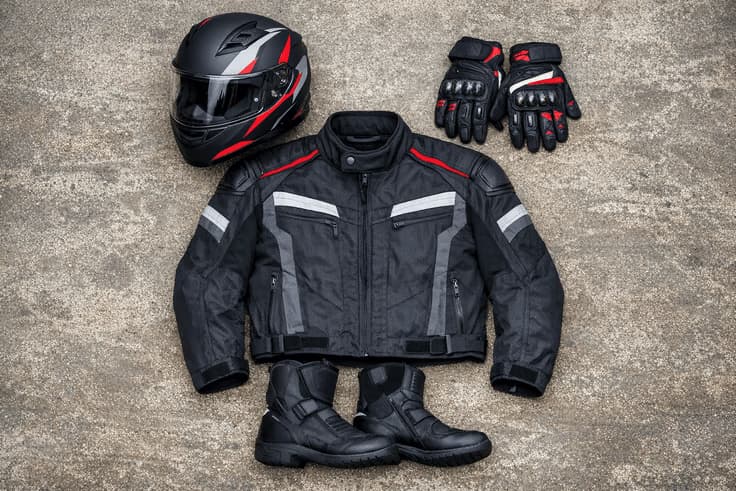
Gear and protection. New York is strict about this. Helmets are non-negotiable. You also need to understand why eye protection matters, why proper clothing reduces road rash severity, and why reflective or bright-colored gear improves your chances of being seen - especially during dusk commutes around Schenectady or on rainy stretches near Albany.
Always a helmet.
Visibility and space management. Motorcycles vanish in blind spots. The test expects you to ride like nobody sees you. Key ideas:
- Build a space cushion in front and to either side
- Don't hang out in another vehicle's blind spot
- Choose lane positions that give you the longest sight lines
This one trips people up.
Defensive riding. The exam is packed with hazard questions because hazard avoidance is basically the entire philosophy. You should be comfortable thinking about scanning ahead, identifying escape routes, and slowing down before you reach a problem.
Not after.
Buffalo winters mean traction changes fast. Lake-effect snow hides potholes. Even though the permit test doesn't mention specific cities, it's testing whether you understand how conditions affect stopping distance and bike control.
How NY Motorcycle Laws Differ from Other States
If you've been watching YouTube tutorials filmed in Florida or Arizona, be careful. New York's rules are stricter, and the DMV includes more law-heavy questions than a lot of people expect.
NY is not relaxed.
You'll face questions about helmet requirements, protective gear standards, and legal responsibilities unique to this state. Riding culture varies wildly here too - navigating Midtown is nothing like cruising open roads near Utica - but the legal expectations don't change based on geography.
Worth noting: cell phone enforcement is aggressive statewide, and distracted driving is one of the biggest threats to motorcyclists. The permit test might not quiz you on every car-related statute, but it absolutely tests your judgment around distracted traffic and unpredictable driver behavior.
Best Way to Prepare for the Motorcycle Permit Test
If you've been searching for a practice test for motorcycle permit in ny, good instinct. The strongest results come from combining the official DMV handbook with repeated scenario-based practice.
Do this first.
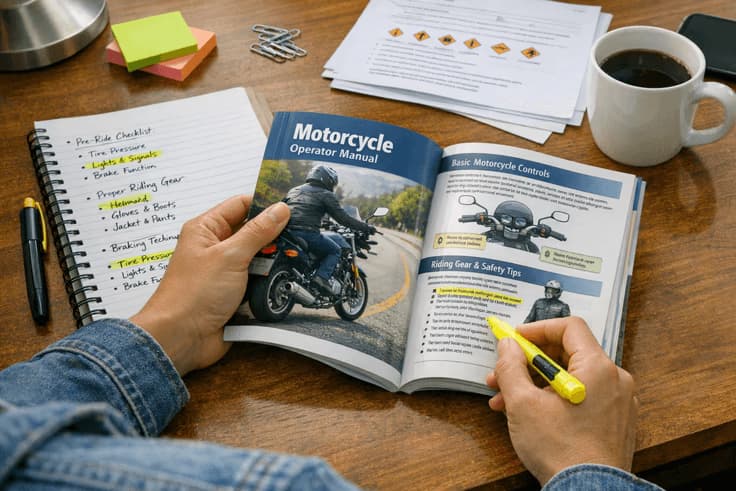
Read the motorcycle manual, then make it real. Don't just memorize facts. Convert each rule into a "what would I actually do" decision. If a question describes a curve, picture a real one. If it's an intersection scenario, imagine the messiest one you know - maybe something chaotic near downtown Buffalo or a six-way nightmare in Brooklyn.
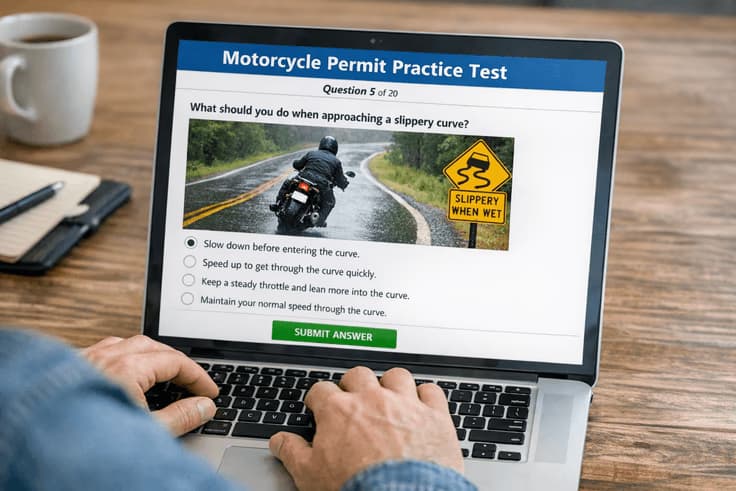
Take a ny motorcycle permit practice test, then study what you missed. Practice exams expose patterns. Most people miss the same categories over and over:
- Lane position choices
- Following distance judgment
- Hazard response timing
This one trips people up.
After each practice round, go back to the manual section that covers whatever you got wrong. Don't just shrug it off.
Watch for wording traps. If a question says "best," it's not asking what's legal. It's asking what reduces risk the most. Answers that create space, improve visibility, or buy you extra reaction time - those are almost always the right pick.
More time means more options.
What to Do After Passing the Permit Test
Passing the motorcycle permit test is step one. It means you can legally start learning in real traffic, but you're still in the highest-risk phase of your riding life.
Stay humble.
Use your permit time wisely. Practice in low-traffic areas first, then gradually add complexity. In New York City that probably means early-morning rides through quieter neighborhoods before tackling rush hour. Upstate near Albany or Rochester, start on calm residential roads before mixing with highway speeds.
Then schedule the road test.
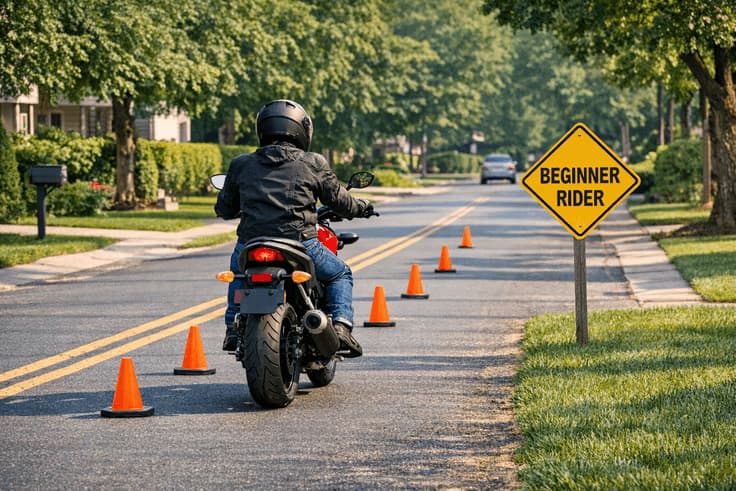
If you're also figuring out how to get motorcycle license in ny from beginning to end, the path is pretty straightforward: study the manual, pass the written permit exam, practice legally under permit restrictions, then pass the skills test. The permit gets you started. It doesn't get you finished.
Ride like you're invisible.
Share