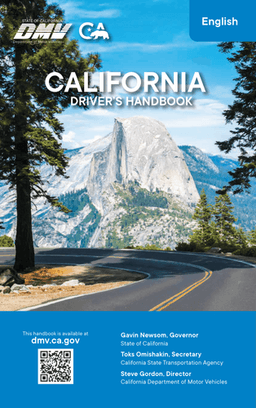
California CDL Practice Test General Knowledge
Getting ready for the California CDL exam can feel like a lot because, honestly, it is. Big test. Real stakes. A good california cdl practice test general knowledge guide keeps you from showing up cold and hoping for the best.
The point of practice isn't to cram random facts. It's to get comfortable with the way the questions are written and the kind of details the DMV cares about. Time pressure makes people misread. Two answers look right. Then one tiny word-"may" vs. "must"-changes everything.
This is for actual working drivers and soon-to-be working drivers. New applicants. Career switchers. Folks upgrading their license. Whether you're learning in Los Angeles traffic, running routes around San Diego, or getting used to hills and tight turns near San Francisco, the fundamentals don't change. Safety first.
A California state practice CDL test also helps calm the nerves. That matters more than people admit. The general knowledge test is the foundation for everything that comes next, including endorsements and the behind-the-wheel skills you'll be judged on later. Study smart. Pass once.
See more
Getting ready for the California CDL exam can feel like a lot because, honestly, it is. Big test. Real stakes. A good california cdl practice test general knowledge guide keeps you from showing up cold and hoping for the best.
The point of practice isn't to cram random facts. It's to get comfortable with the way the questions are written and the kind of details the DMV cares about. Time pressure makes people misread. Two answers look right. Then one tiny word-"may" vs. "must"-changes everything.
This is for actual working drivers and soon-to-be working drivers. New applicants. Career switchers. Folks upgrading their license. Whether you're learning in Los Angeles traffic, running routes around San Diego, or getting used to hills and tight turns near San Francisco, the fundamentals don't change. Safety first.
A California state practice CDL test also helps calm the nerves. That matters more than people admit. The general knowledge test is the foundation for everything that comes next, including endorsements and the behind-the-wheel skills you'll be judged on later. Study smart. Pass once.
California5 minEasy20 questions

Tests Verified by Daniel Gonzalez
Experienced teacher & Instructional Designer
"These practice tests are built from the DMV handbook to help you actually learn the rules and pass the driving test with confidence"
What the CDL General Knowledge Test Covers
The CDL general knowledge exam checks if you understand how to operate a commercial vehicle safely, not if you can memorize trivia. In California, that difference matters. Conditions flip fast. One day you're crawling on the 405. Next day you're on open stretches near Bakersfield or Fresno with farm equipment and crosswinds.
Expect questions that focus on the "why" behind safe choices-how weight affects stopping, how to build space, and how to spot trouble before it turns into an emergency. Not complicated. Just detailed.
You'll see plenty of questions that live in these areas:
- Pre-trip and basic vehicle inspection steps, and why skipping one can get you put out of service
- Safe driving habits like speed control, lane management, and following distance
- Emergency situations, including skids, tire blowouts, and what not to do when things go sideways
This one trips people up.
California traffic comes up indirectly, too, because the test pushes you toward smooth, controlled driving. Fast freeway flow around San Jose or Anaheim punishes sudden lane changes and late braking. So you'll get questions about merging, checking mirrors, and understanding right-of-way even when other drivers don't cooperate.
Cargo basics show up as well, even if you're not hauling hazmat. Load shift isn't just a "cargo securement" issue-it changes how the vehicle handles, how likely it is to tip, and how long it takes to stop. Physics wins. Every time.
Hazard recognition is a big chunk of the test. Fog in the Central Valley. A sudden rain that makes the freeway oily and slick. Dense pedestrian zones in downtown San Diego or San Francisco. The exam wants you thinking ahead instead of reacting late.
Why the General Knowledge Test Is Important
This test is required for every CDL applicant because it proves you understand the core responsibilities that come with commercial driving. No shortcuts. The DMV isn't just checking boxes-they're trying to reduce crashes, violations, and unsafe equipment on the road.
Commercial vehicles have longer stopping distances, wider turns, heavier weight, and larger blind spots. When something goes wrong in a car, it's bad. In a commercial vehicle, it can be catastrophic. That's why the general knowledge portion exists at all: it sets the baseline for safe operation in crowded areas like Oakland and Long Beach and on high-speed corridors like I‑5.
It also supports every endorsement you might add later. Passenger. Tanker. Doubles/triples. Hazmat. Those tests build on the same fundamentals: space, control, planning, and awareness. The basics don't go away.
Here's why it matters so much:
- It's the minimum gateway score before the rest of your CDL process can move forward
- It reinforces rules that prevent tickets, crashes, and failed inspections
- It builds habits you'll rely on daily, especially in congested, unpredictable traffic
This one trips people up.
Confidence is part of it, too. When you take a solid general knowledge CDL practice test for California and review what you missed, you stop guessing and start choosing answers for a reason. That's the difference between scraping by and passing comfortably. Quiet confidence. Better driving.
Common Topics in CDL Practice Questions
Most CDL practice questions repeat the same themes because the same issues cause real collisions and real violations. The exam isn't trying to "get" you, but it does test precision. Read slowly. One word matters.
Braking distance is a favorite. You'll get questions about how speed, vehicle weight, brake condition, and road surface affect stopping. And in stop-and-go traffic around Sacramento or Los Angeles, following distance isn't optional-it's what keeps a minor surprise from becoming a major crash.
Following distance shows up again and again. You'll be asked how much space to keep and when to add more: bad weather, heavier loads, downhill grades, or night driving. More risk means more space. Simple rule. Hard habit.
Hazard awareness is another constant, and it comes in different disguises. Look for questions that test whether you're scanning and planning, not just "looking forward."
- Scanning patterns, mirror use, and keeping an escape route
- Spotting distracted drivers and aggressive lane changers before they cut you off
- Understanding how bridges, hills, and curves change handling and stability
This one trips people up.
Defensive driving ties everything together. The best CDL drivers don't try to "win" traffic-they manage it. In San Francisco, that might mean watching for cyclists and sudden stops on steep grades. In San Jose, it might mean anticipating fast merges during commuter surges. In Fresno, it might mean slowing way down when the fog turns visibility into a guessing game.
One more thing that catches people: question wording. Some ask what you should do "first." Others ask what you should "always" do. Those aren't the same. Pause. Reread. Don't let time pressure push you into clicking the almost-right answer.
Keep practicing. Keep tightening up weak spots. You're closer than you think.
See more
What the CDL General Knowledge Test Covers
The CDL general knowledge exam checks if you understand how to operate a commercial vehicle safely, not if you can memorize trivia. In California, that difference matters. Conditions flip fast. One day you're crawling on the 405. Next day you're on open stretches near Bakersfield or Fresno with farm equipment and crosswinds.
Expect questions that focus on the "why" behind safe choices-how weight affects stopping, how to build space, and how to spot trouble before it turns into an emergency. Not complicated. Just detailed.
You'll see plenty of questions that live in these areas:
- Pre-trip and basic vehicle inspection steps, and why skipping one can get you put out of service
- Safe driving habits like speed control, lane management, and following distance
- Emergency situations, including skids, tire blowouts, and what not to do when things go sideways This one trips people up.
California traffic comes up indirectly, too, because the test pushes you toward smooth, controlled driving. Fast freeway flow around San Jose or Anaheim punishes sudden lane changes and late braking. So you'll get questions about merging, checking mirrors, and understanding right-of-way even when other drivers don't cooperate.
Cargo basics show up as well, even if you're not hauling hazmat. Load shift isn't just a "cargo securement" issue-it changes how the vehicle handles, how likely it is to tip, and how long it takes to stop. Physics wins. Every time.
Hazard recognition is a big chunk of the test. Fog in the Central Valley. A sudden rain that makes the freeway oily and slick. Dense pedestrian zones in downtown San Diego or San Francisco. The exam wants you thinking ahead instead of reacting late.
Why the General Knowledge Test Is Important
This test is required for every CDL applicant because it proves you understand the core responsibilities that come with commercial driving. No shortcuts. The DMV isn't just checking boxes-they're trying to reduce crashes, violations, and unsafe equipment on the road.
Commercial vehicles have longer stopping distances, wider turns, heavier weight, and larger blind spots. When something goes wrong in a car, it's bad. In a commercial vehicle, it can be catastrophic. That's why the general knowledge portion exists at all: it sets the baseline for safe operation in crowded areas like Oakland and Long Beach and on high-speed corridors like I‑5.
It also supports every endorsement you might add later. Passenger. Tanker. Doubles/triples. Hazmat. Those tests build on the same fundamentals: space, control, planning, and awareness. The basics don't go away.
Here's why it matters so much:
- It's the minimum gateway score before the rest of your CDL process can move forward
- It reinforces rules that prevent tickets, crashes, and failed inspections
- It builds habits you'll rely on daily, especially in congested, unpredictable traffic This one trips people up.
Confidence is part of it, too. When you take a solid general knowledge CDL practice test for California and review what you missed, you stop guessing and start choosing answers for a reason. That's the difference between scraping by and passing comfortably. Quiet confidence. Better driving.
Common Topics in CDL Practice Questions
Most CDL practice questions repeat the same themes because the same issues cause real collisions and real violations. The exam isn't trying to "get" you, but it does test precision. Read slowly. One word matters.
Braking distance is a favorite. You'll get questions about how speed, vehicle weight, brake condition, and road surface affect stopping. And in stop-and-go traffic around Sacramento or Los Angeles, following distance isn't optional-it's what keeps a minor surprise from becoming a major crash.
Following distance shows up again and again. You'll be asked how much space to keep and when to add more: bad weather, heavier loads, downhill grades, or night driving. More risk means more space. Simple rule. Hard habit.
Hazard awareness is another constant, and it comes in different disguises. Look for questions that test whether you're scanning and planning, not just "looking forward."
- Scanning patterns, mirror use, and keeping an escape route
- Spotting distracted drivers and aggressive lane changers before they cut you off
- Understanding how bridges, hills, and curves change handling and stability This one trips people up.
Defensive driving ties everything together. The best CDL drivers don't try to "win" traffic-they manage it. In San Francisco, that might mean watching for cyclists and sudden stops on steep grades. In San Jose, it might mean anticipating fast merges during commuter surges. In Fresno, it might mean slowing way down when the fog turns visibility into a guessing game.
One more thing that catches people: question wording. Some ask what you should do "first." Others ask what you should "always" do. Those aren't the same. Pause. Reread. Don't let time pressure push you into clicking the almost-right answer.
Keep practicing. Keep tightening up weak spots. You're closer than you think.
25000
practice tests completed by California learners this month