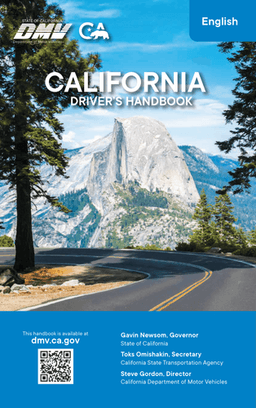
California CDL Passenger Endorsement Practice Test
Getting a passenger endorsement in California is a big move. Real responsibility. You're not just piloting a big vehicle anymore-you're carrying people who expect you to get them there in one piece and on time. This California CDL passenger endorsement practice test is here to make the DMV exam feel familiar before you ever sit down in that chair.
No fluff.
Just test-day stuff.
California driving can be a grind: stop-and-go on I‑405 in Los Angeles, fast merges around San Diego, and those Bay Area lane changes near San Jose and Oakland that happen with zero warning. Even Sacramento and Fresno have commuters, school zones, and drivers who treat your space cushion like an invitation.
Stay calm.
Eyes up.
The passenger test isn't only "rules." It's habits you can prove under pressure. Time pressure makes you misread questions, and on the real exam two answers look right more often than you'd think. Read twice.
You've got this.
Seriously.
See more
Getting a passenger endorsement in California is a big move. Real responsibility. You're not just piloting a big vehicle anymore-you're carrying people who expect you to get them there in one piece and on time. This California CDL passenger endorsement practice test is here to make the DMV exam feel familiar before you ever sit down in that chair.
No fluff. Just test-day stuff.
California driving can be a grind: stop-and-go on I‑405 in Los Angeles, fast merges around San Diego, and those Bay Area lane changes near San Jose and Oakland that happen with zero warning. Even Sacramento and Fresno have commuters, school zones, and drivers who treat your space cushion like an invitation.
Stay calm. Eyes up.
The passenger test isn't only "rules." It's habits you can prove under pressure. Time pressure makes you misread questions, and on the real exam two answers look right more often than you'd think. Read twice.
You've got this. Seriously.
California4 minEasy15 questions

Tests Verified by Daniel Gonzalez
Experienced teacher & Instructional Designer
"These practice tests are built from the DMV handbook to help you actually learn the rules and pass the driving test with confidence"
What the Passenger Endorsement Covers
The passenger endorsement is about transporting people safely in a bus or other passenger-carrying vehicle. The California DMV wants to see that you understand how human beings change everything-stopping distance, turning, loading, planning, and what you do when things go sideways. Cargo doesn't complain, stand up, or panic.
People do.
People matter.
Expect questions on loading and unloading, speed management, mirror use, turns, following distance, and emergencies. You'll also see wording traps where "may" and "must" are worlds apart, so slow down and treat every sentence like it's trying to trick you (because it kind of is).
Common topics that show up again and again include:
- Scanning and mirror checks around stops, terminals, and curbside pickups
- Space management in heavy traffic (think I‑5 through San Diego or downtown LA)
- Handling passenger behavior without letting it steal your attention from the road
This one trips people up.
You'll also need to know how a passenger vehicle fits into normal California traffic rules. Hands-free laws still apply, and they're enforced hard in places like San Francisco and Long Beach. Don't touch the phone. Period.
If you're using a ca dmv cdl practice test to study, pay attention to how the DMV "phrases" the correct answer. The safest option usually wins, even if another option sounds more efficient.
Passenger Safety Procedures
Passenger safety starts before the bus moves. Boarding, seating, and making sure the vehicle is secure aren't "extra"-they're the job. The test leans into that. It wants you thinking like a professional who prevents problems instead of reacting late.
Simple steps matter.
Every time.
Before pulling away, confirm the doors are closed, the aisle is clear, and nobody is in a risky spot (standing in the stairwell, leaning into the stepwell, half-turned in the seat). It sounds basic, but it's exactly the kind of thing that becomes an incident when you brake hard.
Procedures you'll see on the passenger endorsement exam include:
- Proper boarding and unloading methods, including checking the step area and using hazard lights when appropriate
- Seat belt and securement rules when required, plus what to do if a rider refuses
- Railroad crossing stops and the right approach to emergency evacuation decisions
This one trips people up.
California adds its own stress. In downtown San Francisco, pedestrians step off the curb like they own the whole block, and you still have to keep it smooth. In San Jose, bikes and shuttle traffic squeeze intersections. Anaheim and Bakersfield aren't "easy" either-drivers rush yellows and cut in late.
Smooth wins.
Always.
Also remember: motorcycles can lane split here. It's legal. If you're stopped in traffic in Los Angeles or Oakland, you check mirrors before you move, and you don't get casual about door zones or pulling out from a stop. The DMV likes those details because they're real.
If something unsafe is happening inside the vehicle, the best answers usually involve controlling the risk-safe stop, clear instructions, calm voice-rather than trying to "power through."
Vehicle Inspection for Passenger Vehicles
Inspections aren't busywork. They're prevention. The DMV expects you to know what to check, what "good" looks like, and why passenger vehicles are held to a higher standard. A missed defect isn't just a breakdown-it can be a passenger injury.
Don't rush.
Not ever.
Start with the basics (tires, lights, brakes), then go passenger-specific: doors, emergency exits, interior hazards, and safety equipment. Anything loose inside the cabin can become a projectile when you brake hard, especially with standees or crowded routes.
Focus on the items the exam loves to ask about:
- Entry doors, emergency exits, and warning buzzers-working correctly and not blocked
- Seats, handrails, floors, and aisle clearance so passengers can move safely without tripping
- Emergency gear like a fire extinguisher and reflective triangles (and any required medical supplies)
This one trips people up.
Mirrors and visibility matter more than people realize. In heavy traffic near Sacramento or on Highway 99 around Fresno, clean and properly adjusted mirrors give you time you won't get back later. Do it before you roll, not at the first stop.
Higher standard.
Every day.
If you're working through a california cdl passenger endorsement practice test, treat inspection questions like points you shouldn't drop. They're usually straightforward, but the wording can be sneaky-especially when the question asks what you "must" do versus what you "may" do. Read the whole thing, choose the safest action, and you'll be in good shape for the real DMV exam.
See more
What the Passenger Endorsement Covers
The passenger endorsement is about transporting people safely in a bus or other passenger-carrying vehicle. The California DMV wants to see that you understand how human beings change everything-stopping distance, turning, loading, planning, and what you do when things go sideways. Cargo doesn't complain, stand up, or panic.
People do. People matter.
Expect questions on loading and unloading, speed management, mirror use, turns, following distance, and emergencies. You'll also see wording traps where "may" and "must" are worlds apart, so slow down and treat every sentence like it's trying to trick you (because it kind of is).
Common topics that show up again and again include:
- Scanning and mirror checks around stops, terminals, and curbside pickups
- Space management in heavy traffic (think I‑5 through San Diego or downtown LA)
- Handling passenger behavior without letting it steal your attention from the road
This one trips people up.
You'll also need to know how a passenger vehicle fits into normal California traffic rules. Hands-free laws still apply, and they're enforced hard in places like San Francisco and Long Beach. Don't touch the phone. Period.
If you're using a ca dmv cdl practice test to study, pay attention to how the DMV "phrases" the correct answer. The safest option usually wins, even if another option sounds more efficient.
Passenger Safety Procedures
Passenger safety starts before the bus moves. Boarding, seating, and making sure the vehicle is secure aren't "extra"-they're the job. The test leans into that. It wants you thinking like a professional who prevents problems instead of reacting late.
Simple steps matter. Every time.
Before pulling away, confirm the doors are closed, the aisle is clear, and nobody is in a risky spot (standing in the stairwell, leaning into the stepwell, half-turned in the seat). It sounds basic, but it's exactly the kind of thing that becomes an incident when you brake hard.
Procedures you'll see on the passenger endorsement exam include:
- Proper boarding and unloading methods, including checking the step area and using hazard lights when appropriate
- Seat belt and securement rules when required, plus what to do if a rider refuses
- Railroad crossing stops and the right approach to emergency evacuation decisions
This one trips people up.
California adds its own stress. In downtown San Francisco, pedestrians step off the curb like they own the whole block, and you still have to keep it smooth. In San Jose, bikes and shuttle traffic squeeze intersections. Anaheim and Bakersfield aren't "easy" either-drivers rush yellows and cut in late.
Smooth wins. Always.
Also remember: motorcycles can lane split here. It's legal. If you're stopped in traffic in Los Angeles or Oakland, you check mirrors before you move, and you don't get casual about door zones or pulling out from a stop. The DMV likes those details because they're real.
If something unsafe is happening inside the vehicle, the best answers usually involve controlling the risk-safe stop, clear instructions, calm voice-rather than trying to "power through."
Vehicle Inspection for Passenger Vehicles
Inspections aren't busywork. They're prevention. The DMV expects you to know what to check, what "good" looks like, and why passenger vehicles are held to a higher standard. A missed defect isn't just a breakdown-it can be a passenger injury.
Don't rush. Not ever.
Start with the basics (tires, lights, brakes), then go passenger-specific: doors, emergency exits, interior hazards, and safety equipment. Anything loose inside the cabin can become a projectile when you brake hard, especially with standees or crowded routes.
Focus on the items the exam loves to ask about:
- Entry doors, emergency exits, and warning buzzers-working correctly and not blocked
- Seats, handrails, floors, and aisle clearance so passengers can move safely without tripping
- Emergency gear like a fire extinguisher and reflective triangles (and any required medical supplies)
This one trips people up.
Mirrors and visibility matter more than people realize. In heavy traffic near Sacramento or on Highway 99 around Fresno, clean and properly adjusted mirrors give you time you won't get back later. Do it before you roll, not at the first stop.
Higher standard. Every day.
If you're working through a california cdl passenger endorsement practice test, treat inspection questions like points you shouldn't drop. They're usually straightforward, but the wording can be sneaky-especially when the question asks what you "must" do versus what you "may" do. Read the whole thing, choose the safest action, and you'll be in good shape for the real DMV exam.
25000
practice tests completed by California learners this month