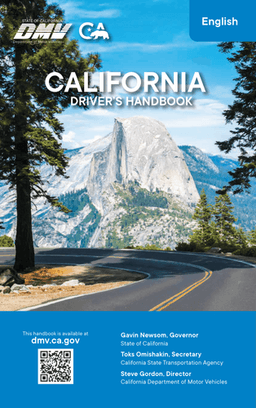
California CDL Tanker Practice Test
California roads move fast. Even when traffic crawls. If you're aiming to pass the tanker endorsement, you're already thinking like a pro because liquid cargo changes everything about how a truck feels, stops, and turns. This California CDL tanker practice test is built to help you lock in the rules and the real-world judgment the DMV expects.
Big cities make it real. Think of merging on I-405 in Los Angeles, climbing and braking on steep streets near San Francisco, or dealing with stop-and-go around San Jose tech traffic. Then picture the long, foggy stretches near Fresno where visibility drops fast. Tankers handle all of it differently. That's the point.
Study smart. Stay calm. On test day, time pressure makes you misread a single word, and two answers look right. It happens. Our goal is to make the correct choice feel obvious.
You've got this.
See more
California roads move fast. Even when traffic crawls. If you're aiming to pass the tanker endorsement, you're already thinking like a pro because liquid cargo changes everything about how a truck feels, stops, and turns. This California CDL tanker practice test is built to help you lock in the rules and the real-world judgment the DMV expects.
Big cities make it real. Think of merging on I-405 in Los Angeles, climbing and braking on steep streets near San Francisco, or dealing with stop-and-go around San Jose tech traffic. Then picture the long, foggy stretches near Fresno where visibility drops fast. Tankers handle all of it differently. That's the point.
Study smart. Stay calm. On test day, time pressure makes you misread a single word, and two answers look right. It happens. Our goal is to make the correct choice feel obvious.
You've got this.
California4 minEasy15 questions

Tests Verified by Daniel Gonzalez
Experienced teacher & Instructional Designer
"These practice tests are built from the DMV handbook to help you actually learn the rules and pass the driving test with confidence"
What Tanker Drivers Need to Know
A tanker is not just a trailer with liquid in it. It's a moving container where the load can shift, push, and pull on the truck in ways dry freight never will. The Department of Motor Vehicles sets the knowledge standards, and the DMV test leans heavily on safety basics that prevent rollovers and jackknifes.
Start with the definition. A vehicle is considered a tanker when it meets the capacity rules for liquid or gaseous bulk containers. That includes some trucks people don't "think" of as tankers, like certain straight trucks with permanent tanks. Know the wording. Small word. Big point.
You'll also need to understand why partial loads can be worse than full loads. A full tank has less room for the liquid to move around. A partially filled tank gives the liquid space to build momentum. That momentum shows up at the worst times, like when you brake hard on I-5 near Sacramento or sweep through a long curve outside Bakersfield.
Remember the equipment basics too. You're responsible for checking:
- Tank and dome covers for leaks and secure closures
- Valves, hoses, and caps for damage or missing seals
- Proper placards when required
This one trips people up.
If you're using a ca dmv cdl practice test, don't just memorize. Visualize the inspection. Imagine walking around the vehicle at a busy yard in Oakland with noise and distractions. Quick glance. Then a careful second look. That habit saves points on the exam and trouble on the road.
Liquid Surge and Vehicle Control
Liquid surge is the signature tanker problem. It's the forward, backward, and side-to-side movement of the liquid as the truck changes speed or direction. Simple idea. Serious consequences.
When you accelerate, the liquid lags behind, then catches up. When you brake, it keeps moving forward and slams into the front of the tank. In a curve, it pushes outward and raises rollover risk. That's why tanker questions often focus on stability, stopping distance, and turning speed.
Here's the test mindset. If the question mentions a partially filled tank, your default assumption should be increased surge and reduced control. Not always. Usually.
Baffles and bulkheads help, but they don't erase the issue. Baffles reduce side-to-side surge by breaking up the wave. Bulkheads divide the tank into compartments, limiting how much liquid can rush at once. You still drive like surge is coming, because it is.
One more detail: surge can keep pushing even after you think you're done braking. You let off the brake, and the liquid can shove the truck forward again. That's why smooth inputs matter so much, especially in city traffic like Long Beach where lights are close together and stops are frequent.
Watch the wording. "May" vs "must." The exam loves that.
Common control mistakes include entering a turn too fast, braking mid-curve, and making sharp steering corrections when the load starts to push. Don't fight it with jerky moves. Stay smooth. Slow earlier. Boring is good.
Safe Driving With Tanker Loads
Driving a tanker safely is mostly about planning ahead. You don't wait for a problem, because once the liquid starts moving, you're reacting. Late reactions cost control. And points.
Braking is the biggest change. You need longer stopping distance, and you want to brake early and gradually to keep the liquid from surging forward. In heavy traffic around San Diego on I-5, that means leaving a bigger cushion than you think you need. Yes, cars will cut in. Let them. Keep your space anyway.
Turning is the next big one. Take curves and ramps slower than you would in a van trailer. The liquid shifts outward, and the center of gravity effectively rises. That's why rollovers happen on ramps that feel "normal" to other vehicles, like tight interchanges near Anaheim or the complex freeway connectors around downtown Los Angeles.
A few habits that show up again and again in tanker safety questions:
- Slow down before the curve, not in it
- Use steady throttle and steering through the turn
- Avoid sudden lane changes, especially on wet roads
This one trips people up.
California adds its own real-world pressure. Traffic is aggressive, lanes are crowded, and motorcycles can legally lane split. You must check mirrors constantly and signal early so riders aren't surprised when you need extra room. Quick scan. Then commit.
Also remember the basics the DMV expects every commercial driver to know in any city from San Francisco to San Jose: hands-free phone use only, watch for right-turn-on-red restrictions where posted, and respect crosswalks. Those aren't tanker-specific, but they are test-relevant and ticket-relevant.
Finally, approach railroad crossings and rough roads with care. A bump can start a wave. That wave can keep going longer than you expect. Smooth braking, smooth steering, smooth acceleration. Repeat it.
If you're working through a california cdl tanker practice test, treat every question like a mini-scenario. Ask yourself what the liquid is doing at that exact moment. That's how you pick the best answer, even when two choices seem close.
See more
What Tanker Drivers Need to Know
A tanker is not just a trailer with liquid in it. It's a moving container where the load can shift, push, and pull on the truck in ways dry freight never will. The Department of Motor Vehicles sets the knowledge standards, and the DMV test leans heavily on safety basics that prevent rollovers and jackknifes.
Start with the definition. A vehicle is considered a tanker when it meets the capacity rules for liquid or gaseous bulk containers. That includes some trucks people don't "think" of as tankers, like certain straight trucks with permanent tanks. Know the wording. Small word. Big point.
You'll also need to understand why partial loads can be worse than full loads. A full tank has less room for the liquid to move around. A partially filled tank gives the liquid space to build momentum. That momentum shows up at the worst times, like when you brake hard on I-5 near Sacramento or sweep through a long curve outside Bakersfield.
Remember the equipment basics too. You're responsible for checking:
- Tank and dome covers for leaks and secure closures
- Valves, hoses, and caps for damage or missing seals
- Proper placards when required This one trips people up.
If you're using a ca dmv cdl practice test, don't just memorize. Visualize the inspection. Imagine walking around the vehicle at a busy yard in Oakland with noise and distractions. Quick glance. Then a careful second look. That habit saves points on the exam and trouble on the road.
Liquid Surge and Vehicle Control
Liquid surge is the signature tanker problem. It's the forward, backward, and side-to-side movement of the liquid as the truck changes speed or direction. Simple idea. Serious consequences.
When you accelerate, the liquid lags behind, then catches up. When you brake, it keeps moving forward and slams into the front of the tank. In a curve, it pushes outward and raises rollover risk. That's why tanker questions often focus on stability, stopping distance, and turning speed.
Here's the test mindset. If the question mentions a partially filled tank, your default assumption should be increased surge and reduced control. Not always. Usually.
Baffles and bulkheads help, but they don't erase the issue. Baffles reduce side-to-side surge by breaking up the wave. Bulkheads divide the tank into compartments, limiting how much liquid can rush at once. You still drive like surge is coming, because it is.
One more detail: surge can keep pushing even after you think you're done braking. You let off the brake, and the liquid can shove the truck forward again. That's why smooth inputs matter so much, especially in city traffic like Long Beach where lights are close together and stops are frequent.
Watch the wording. "May" vs "must." The exam loves that.
Common control mistakes include entering a turn too fast, braking mid-curve, and making sharp steering corrections when the load starts to push. Don't fight it with jerky moves. Stay smooth. Slow earlier. Boring is good.
Safe Driving With Tanker Loads
Driving a tanker safely is mostly about planning ahead. You don't wait for a problem, because once the liquid starts moving, you're reacting. Late reactions cost control. And points.
Braking is the biggest change. You need longer stopping distance, and you want to brake early and gradually to keep the liquid from surging forward. In heavy traffic around San Diego on I-5, that means leaving a bigger cushion than you think you need. Yes, cars will cut in. Let them. Keep your space anyway.
Turning is the next big one. Take curves and ramps slower than you would in a van trailer. The liquid shifts outward, and the center of gravity effectively rises. That's why rollovers happen on ramps that feel "normal" to other vehicles, like tight interchanges near Anaheim or the complex freeway connectors around downtown Los Angeles.
A few habits that show up again and again in tanker safety questions:
- Slow down before the curve, not in it
- Use steady throttle and steering through the turn
- Avoid sudden lane changes, especially on wet roads This one trips people up.
California adds its own real-world pressure. Traffic is aggressive, lanes are crowded, and motorcycles can legally lane split. You must check mirrors constantly and signal early so riders aren't surprised when you need extra room. Quick scan. Then commit.
Also remember the basics the DMV expects every commercial driver to know in any city from San Francisco to San Jose: hands-free phone use only, watch for right-turn-on-red restrictions where posted, and respect crosswalks. Those aren't tanker-specific, but they are test-relevant and ticket-relevant.
Finally, approach railroad crossings and rough roads with care. A bump can start a wave. That wave can keep going longer than you expect. Smooth braking, smooth steering, smooth acceleration. Repeat it.
If you're working through a california cdl tanker practice test, treat every question like a mini-scenario. Ask yourself what the liquid is doing at that exact moment. That's how you pick the best answer, even when two choices seem close.
25000
practice tests completed by California learners this month