ColoradoCDL Practice Test: Permit Prep for Every Class
You're staring down the Colorado CDL permit test and probably wondering if it's really that different from taking it in, say, Kansas or Nebraska. It is. And not because the DMV here is trying to be difficult. It's because Colorado throws actual mountains at you, literal ones with 7% grades and chain-up stations, and the test knows it.
The Division of Motor Vehicles, which lives under the Department of Revenue, isn't just checking whether you memorized following distances. They want to know if you can keep a loaded rig under control coming down from the Eisenhower Tunnel toward Silverthorne without cooking your brakes halfway to Denver. That changes how you study.
Most people walking into a DMV office in Colorado Springs or Aurora for the general knowledge exam face 50 questions. You need 40 correct. That's 80%, same federal standard everywhere, but the flavor of the questions here leans hard into mountain braking, traction devices, and altitude. Mountain grades can reach 6% or 7%.
See more
You're staring down the Colorado CDL permit test and probably wondering if it's really that different from taking it in, say, Kansas or Nebraska. It is. And not because the DMV here is trying to be difficult. It's because Colorado throws actual mountains at you, literal ones with 7% grades and chain-up stations, and the test knows it.
The Division of Motor Vehicles, which lives under the Department of Revenue, isn't just checking whether you memorized following distances. They want to know if you can keep a loaded rig under control coming down from the Eisenhower Tunnel toward Silverthorne without cooking your brakes halfway to Denver. That changes how you study.
Most people walking into a DMV office in Colorado Springs or Aurora for the general knowledge exam face 50 questions. You need 40 correct. That's 80%, same federal standard everywhere, but the flavor of the questions here leans hard into mountain braking, traction devices, and altitude. Mountain grades can reach 6% or 7%.
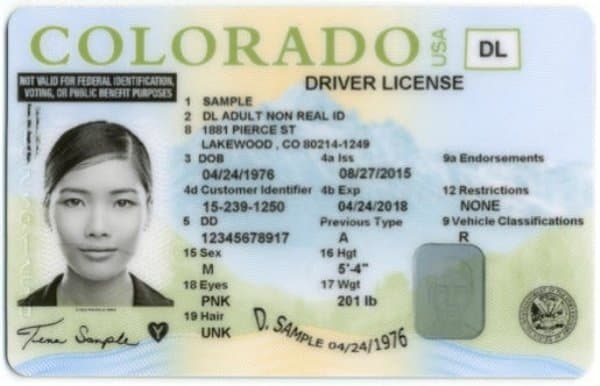
How the Colorado CDL Permit Exam Is Structured in 2026
The Colorado DMV runs the show for all commercial license testing. The general knowledge test has 50 multiple choice questions. You need at least 40 correct. That's the federal 80% standard. Time pressure makes you misread.
Endorsements are separate. Air brakes has 25 questions. Passenger, school bus, tanker, doubles/triples, and hazmat each have their own test too. Hazmat also requires a TSA background check first. You need fingerprints cleared before the endorsement exam.
Colorado follows the federal 14-day rule. Hold your CLP for at least 14 days before scheduling the skills test. Denver and Lakewood slots fill fast. Plan ahead.
The written exam also asks about pre-trip steps. You'll see brake adjustments, slack adjusters, and coupling device checks. If you've been skimming the inspection section, stop skimming.
Passing Scores, Endorsement Rules, and Common CO CDL Mistakes
Common mistakes in Colorado fall into a few patterns. People rush through endorsement sections because they assume air brakes is just common sense. It's not. The air brake test covers cut-in and cut-out pressures. It also asks about emergency spring brakes. Know what happens when the low air warning comes on. Two answers look right.
Combination vehicle physics also throws people. A trailer pushing your tractor on a curve isn't intuitive. Colorado's test expects you to understand off-tracking. You also need jackknife prevention. Brake gently on slick downhill curves.
Retake rules vary. The DMV allows retakes after a waiting period. Each attempt costs money and eats time. Check current fees with the Colorado DMV directly because they adjust. DMV fee amounts change over time.
Why Colorado CDL Testing Reflects Mountain Freight Reality
From September 1 through May 31, the I-70 mountain corridor between Dotsero and Morrison has a chain law. Commercial vehicles over 16,000 pounds must carry chains. That's not a suggestion. That's Colorado's chain law, and the CDL written test will absolutely ask about it. You need to know when the law is active, what counts as adequate traction equipment, and the difference between the Traction Law and the stricter Chain Law.
If you're testing in Greeley or Pueblo, you might think chain law doesn't apply to your daily driving. The test doesn't care. A CDL is a statewide credential. The DMV expects you to know I-70 mountain corridor rules. That's true even if you never leave the Front Range.
Colorado has long downgrades. Some stretch 6% to 7% for miles. Runaway truck ramps exist for a reason. The test asks about proper gear selection before descending, why you shouldn't ride your brakes, and what to do if your brakes start fading. In Kansas, that section of the manual is maybe two paragraphs. Here, it's a core competency.
Drivers from Nebraska or Kansas often fail the Colorado CDL practice test at first. They haven't seen altitude and engine performance questions. Thinner air affects turbo boost, cooling systems, and brake fade rates. Colorado's test reflects that reality. You're not just learning to pass a test. You need to handle Vail Pass in January.
Smart Ways to Prepare for the Colorado CDL Written Exams
Start with general knowledge. Don't add hazmat or tanker until your general scores are solid. The general test covers:
- air brakes basics
- combination vehicle behavior
- cargo securement
- driving safely in adverse conditions
Build that foundation first.
Read the Colorado CDL manual's mountain and winter sections more than once. You won't be quizzed word for word. The scenarios show up across multiple test areas. A question about stopping distance might reference a 6% downgrade. A question about speed might mention black ice on a bridge. Those aren't separate topics in Colorado. Grade and traction questions overlap.
Simulate full 50-question sessions. Don't answer just 10 at a time. The real exam takes concentration. By question 38, you may second-guess yourself. Building stamina matters.
Focus on these areas:
- Air brake system checks and pressure loss limits
- Pre-trip inspection sequence and what you're looking for
- Mountain descent procedures and proper gear selection
- Chain law dates and traction device requirements
Chain law dates cause many retakes.
Why CDL Practice Tests Matter More in a Mountain State
A good Colorado CDL practice test does more than quiz you. It shows you what you don't know. Scenario questions about braking distance on a 6% downgrade, or what speed to maintain when your trailer starts swaying, don't appear in flatland practice tests. Here, they're everywhere.
Repetition builds recall. Air pressure numbers, inspection steps, and following distances blur together under exam pressure. Practice enough and the right answer becomes automatic. You'll recognize the question patterns.
Free unlimited practice matters because DMV test attempts aren't free. Every retake costs money and delays your permit. Find weak areas before you pay. Aurora and Thornton appointments can be tight.
The Colorado CDL permit test online lets you work from home. You set the pace. There's no DMV lobby pressure. Use them. Then use them again.
Colorado CDL Permit Test FAQs
How many questions are on the Colorado CDL general knowledge test?
The Colorado CDL general knowledge test has 50 questions. You need 40 correct answers to pass. That's 80%. It covers general trucking knowledge. It also covers safe driving, cargo handling, and basic vehicle control.
What score do I need to pass the Colorado CDL permit test?
You need 80% on every CDL knowledge test in Colorado. For the general knowledge test, that's 40 out of 50. The air brakes test needs 20 out of 25. Every endorsement test uses that same 80% standard.
How long must I hold a Colorado CLP before the skills test?
You must hold your CLP for at least 14 days. Colorado follows the federal minimum. Denver and Colorado Springs often book out further. Plan ahead.
Does the Colorado CDL exam cover chain law and mountain driving?
Yes. The Colorado CDL written test includes mountain and chain law questions. You'll see:
- chain law compliance
- mountain descent procedures
- runaway truck ramps
- proper gear selection on long grades
The I-70 chain law from September through May is fair game.
Which CDL endorsements require separate written tests in Colorado?
These endorsements require separate written tests:
- Air brakes
- Passenger
- School bus
- Tanker
- Doubles/triples
- Hazmat
Hazmat also requires a TSA background clearance first.
Is the Colorado CDL test harder than in neighboring states?
Many applicants say yes, mainly because of the mountain driving and traction device content. Drivers from Kansas or Nebraska often see new topics. Those include downgrades, altitude effects, and chain requirements. These don't appear on flatland tests. A Colorado CDL permit practice test helps close that gap.
See more
How the Colorado CDL Permit Exam Is Structured in 2026
The Colorado DMV runs the show for all commercial license testing. The general knowledge test has 50 multiple choice questions. You need at least 40 correct. That's the federal 80% standard. Time pressure makes you misread.
Endorsements are separate. Air brakes has 25 questions. Passenger, school bus, tanker, doubles/triples, and hazmat each have their own test too. Hazmat also requires a TSA background check first. You need fingerprints cleared before the endorsement exam.
Colorado follows the federal 14-day rule. Hold your CLP for at least 14 days before scheduling the skills test. Denver and Lakewood slots fill fast. Plan ahead.
The written exam also asks about pre-trip steps. You'll see brake adjustments, slack adjusters, and coupling device checks. If you've been skimming the inspection section, stop skimming.
Passing Scores, Endorsement Rules, and Common CO CDL Mistakes
Common mistakes in Colorado fall into a few patterns. People rush through endorsement sections because they assume air brakes is just common sense. It's not. The air brake test covers cut-in and cut-out pressures. It also asks about emergency spring brakes. Know what happens when the low air warning comes on. Two answers look right.
Combination vehicle physics also throws people. A trailer pushing your tractor on a curve isn't intuitive. Colorado's test expects you to understand off-tracking. You also need jackknife prevention. Brake gently on slick downhill curves.
Retake rules vary. The DMV allows retakes after a waiting period. Each attempt costs money and eats time. Check current fees with the Colorado DMV directly because they adjust. DMV fee amounts change over time.
Why Colorado CDL Testing Reflects Mountain Freight Reality
From September 1 through May 31, the I-70 mountain corridor between Dotsero and Morrison has a chain law. Commercial vehicles over 16,000 pounds must carry chains. That's not a suggestion. That's Colorado's chain law, and the CDL written test will absolutely ask about it. You need to know when the law is active, what counts as adequate traction equipment, and the difference between the Traction Law and the stricter Chain Law.
If you're testing in Greeley or Pueblo, you might think chain law doesn't apply to your daily driving. The test doesn't care. A CDL is a statewide credential. The DMV expects you to know I-70 mountain corridor rules. That's true even if you never leave the Front Range.
Colorado has long downgrades. Some stretch 6% to 7% for miles. Runaway truck ramps exist for a reason. The test asks about proper gear selection before descending, why you shouldn't ride your brakes, and what to do if your brakes start fading. In Kansas, that section of the manual is maybe two paragraphs. Here, it's a core competency.
Drivers from Nebraska or Kansas often fail the Colorado CDL practice test at first. They haven't seen altitude and engine performance questions. Thinner air affects turbo boost, cooling systems, and brake fade rates. Colorado's test reflects that reality. You're not just learning to pass a test. You need to handle Vail Pass in January.
Smart Ways to Prepare for the Colorado CDL Written Exams
Start with general knowledge. Don't add hazmat or tanker until your general scores are solid. The general test covers:
- air brakes basics
- combination vehicle behavior
- cargo securement
- driving safely in adverse conditions
Build that foundation first.
Read the Colorado CDL manual's mountain and winter sections more than once. You won't be quizzed word for word. The scenarios show up across multiple test areas. A question about stopping distance might reference a 6% downgrade. A question about speed might mention black ice on a bridge. Those aren't separate topics in Colorado. Grade and traction questions overlap.
Simulate full 50-question sessions. Don't answer just 10 at a time. The real exam takes concentration. By question 38, you may second-guess yourself. Building stamina matters.
Focus on these areas:
- Air brake system checks and pressure loss limits
- Pre-trip inspection sequence and what you're looking for
- Mountain descent procedures and proper gear selection
- Chain law dates and traction device requirements
Chain law dates cause many retakes.
Why CDL Practice Tests Matter More in a Mountain State
A good Colorado CDL practice test does more than quiz you. It shows you what you don't know. Scenario questions about braking distance on a 6% downgrade, or what speed to maintain when your trailer starts swaying, don't appear in flatland practice tests. Here, they're everywhere.
Repetition builds recall. Air pressure numbers, inspection steps, and following distances blur together under exam pressure. Practice enough and the right answer becomes automatic. You'll recognize the question patterns.
Free unlimited practice matters because DMV test attempts aren't free. Every retake costs money and delays your permit. Find weak areas before you pay. Aurora and Thornton appointments can be tight.
The Colorado CDL permit test online lets you work from home. You set the pace. There's no DMV lobby pressure. Use them. Then use them again.
Colorado CDL Permit Test FAQs
How many questions are on the Colorado CDL general knowledge test?
The Colorado CDL general knowledge test has 50 questions. You need 40 correct answers to pass. That's 80%. It covers general trucking knowledge. It also covers safe driving, cargo handling, and basic vehicle control.
What score do I need to pass the Colorado CDL permit test?
You need 80% on every CDL knowledge test in Colorado. For the general knowledge test, that's 40 out of 50. The air brakes test needs 20 out of 25. Every endorsement test uses that same 80% standard.
How long must I hold a Colorado CLP before the skills test?
You must hold your CLP for at least 14 days. Colorado follows the federal minimum. Denver and Colorado Springs often book out further. Plan ahead.
Does the Colorado CDL exam cover chain law and mountain driving?
Yes. The Colorado CDL written test includes mountain and chain law questions. You'll see:
- chain law compliance
- mountain descent procedures
- runaway truck ramps
- proper gear selection on long grades
The I-70 chain law from September through May is fair game.
Which CDL endorsements require separate written tests in Colorado?
These endorsements require separate written tests:
- Air brakes
- Passenger
- School bus
- Tanker
- Doubles/triples
- Hazmat
Hazmat also requires a TSA background clearance first.
Is the Colorado CDL test harder than in neighboring states?
Many applicants say yes, mainly because of the mountain driving and traction device content. Drivers from Kansas or Nebraska often see new topics. Those include downgrades, altitude effects, and chain requirements. These don't appear on flatland tests. A Colorado CDL permit practice test helps close that gap.