ColoradoMotorcycle Permit Practice Test: Ride-Ready Prep
Start with the colorado motorcycle permit test. Use a colorado motorcycle license practice test to build the right habits. The written exam has 25 questions. You need 21 correct to pass. It checks control skills, hazard response, gear rules, and rider traffic law. It also checks traction, lane position, and escape paths. Car instincts won't help in Denver traffic or on a canyon road. Study the Colorado Motorcycle Operator's Handbook.
You can miss four questions and still pass. Miss five and you fail. In Colorado Springs or Fort Collins, you may see two close choices. One will be the car answer. One will be the bike answer. The bike answer wins. Practice questions ahead of time help you read those close calls correctly.
See more
Start with the colorado motorcycle permit test. Use a colorado motorcycle license practice test to build the right habits. The written exam has 25 questions. You need 21 correct to pass. It checks control skills, hazard response, gear rules, and rider traffic law. It also checks traction, lane position, and escape paths. Car instincts won't help in Denver traffic or on a canyon road. Study the Colorado Motorcycle Operator's Handbook.
You can miss four questions and still pass. Miss five and you fail. In Colorado Springs or Fort Collins, you may see two close choices. One will be the car answer. One will be the bike answer. The bike answer wins. Practice questions ahead of time help you read those close calls correctly.
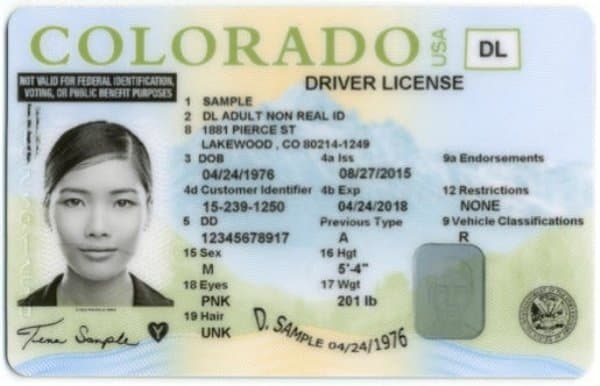
How the Colorado Motorcycle Permit Exam Works in 2026
The Colorado DMV runs the written test at its offices and approved third-party locations. The exam uses 25 questions. You need 21 correct to pass. That's an 84 percent threshold, higher than many riders expect. Check the current Colorado Motorcycle Operator's Handbook before you book. Rules shift. Look at the DMV site for scheduling and fees. The DMV sets current fees and scheduling windows.
The test covers:
- control skills
- hazard response
- gear requirements
- rider-specific traffic law
It is not the car test. You'll see countersteering, swerving, and braking in curves. You'll also see why the lane center collects oil and gravel. In Aurora or Lakewood, a left-turning car makes those questions concrete.
Minors face additional permit requirements. Minors generally need a state-approved motorcycle safety course. They also hold a permit for a set period. The rules vary by age and course completion. Check the Colorado DMV site or call a local office in Thornton or Westminster. Don't rely on forum guesses.
Scoring, Retakes, and Mistakes on the CO Motorcycle Test
Most failures come from hazard-response and right-of-way questions, not obscure trivia. Riders miss highway stopping distance. At 60 mph, total stopping distance is longer than most car drivers think. They pick the wrong lane position for a blind curve. They treat an intersection like a car driver would, assuming that being visible means being safe. It doesn't.
Retakes are possible. Each retake costs:
- another DMV visit
- another scheduling window
- another round of nerves
Busy Front Range offices near Denver or Pueblo may add days or weeks. A retake can add weeks in Front Range offices. Arrive over-prepared instead of gambling on a second try.
Common traps include braking distance scenarios. The handbook gives you numbers. The test asks you to apply them. At 60 mph, total stopping distance includes perception, reaction, and braking. Most people underestimate all three. Lane position questions punish car-driver instincts too. In a car, you stay in your lane. On a bike, adjust constantly. Consider surface conditions, traffic, and visibility. Intersection questions are the worst. They'll describe a car waiting to turn left. You think you have the right of way. You do. But the correct answer is often about slowing down and covering the brake anyway. Right of way doesn't stop a two-ton pickup.
What Sets Colorado Motorcycle Testing Apart from Neighbors
Colorado's handbook emphasis reflects its terrain. Kansas and Nebraska materials spend pages on wind and open highway. Colorado spends them on:
- curves
- grades
- gravel and cinders
- rapid weather changes
Ride from Boulder into the foothills on a spring afternoon. Temperatures drop fast and shaded corners stay slick. Spring roads can leave cinders in shaded corners. The test knows it too.
Colorado also modernized rider law with low-speed lane filtering past stopped traffic. The statute allows motorcycles to move between lanes of stopped vehicles. Speed limits, road type, and traffic flow affect the rule. It does not mean splitting moving freeway traffic. Verify current statute conditions before you rely on them. Older practice tests may not reflect the current law.
Altitude shapes gear and planning questions. Cold mornings hit Fort Collins. Afternoon storms cross the Palmer Divide. Temperature swings between plains and passes are common. You'll see questions about hypothermia risk and layering. A mesh jacket may work at noon in Denver but not at 9,000 feet by evening. Weather changes between Denver and Glenwood Springs are common. The test checks survival skills from Greeley to Glenwood Springs.
Fast-Track Strategies for the Colorado Rider Exam
Study the Colorado Motorcycle Operator's Handbook in short passes. Don't read it once and stop. After each chapter, turn the main points into questions. Use practice questions after each chapter. Ask what the proper escape path is. Ask how to brake in a curve without losing traction. Ask why the handbook recommends a staggered group formation.
Prioritize braking, cornering, and hazard chapters. Those carry the most exam weight. Braking questions show up constantly. Cornering questions test speed, lean angle, and traction. Hazard questions ask you to predict a driver's move. Fix weak areas before test day.
Take an approved Colorado motorcycle safety course. Many courses waive the skills test. You skip the DMV riding exam. Some help with the written test. Confirm details through the Colorado DMV site or a local training provider. Try Aurora or Colorado Springs. Course availability changes by season and location. The course costs money. It beats multiple DMV visits and failed attempts.
Why Practice Tests Boost Colorado Motorcycle Permit Success
Practice questions turn handbook reading into scenario judgment. Scenario judgment is the real exam format. Reading about braking distance is one thing. Seeing a question that asks how many feet you need to stop at 50 mph on wet pavement is another. Your brain has to do the work.
Repetition reveals weak areas. You may nail gear questions. You may freeze on right-of-way at uncontrolled intersections. You may know countersteering in theory. Then the wording flips and you pick the wrong answer. A good colorado motorcycle permit test online gives instant feedback. You see the mistake, read the explanation, and try again. Instant feedback shows you which sections to restudy. That loop works.
Free unlimited attempts mean Colorado riders can reach consistent passing scores before ever booking the DMV visit. You don't need a premium course. You need reps. Take a practice motorcycle permit test co style. Miss a few, study those sections, and retake it. Aim for 23 or 24 out of 25 every time. Then walk into the DMV in Lakewood or Westminster. The test is just another rep.
Colorado Motorcycle Permit Test FAQs
How many questions are on the Colorado motorcycle permit test?
The Colorado motorcycle permit test has 25 questions. You need 21 correct to pass. That's an 84 percent score. The questions are multiple choice. The handbook covers:
- control skills
- hazard response
- gear
- rider-specific traffic law
What score do I need to pass the CO motorcycle written test?
Pass with 21 correct out of 25. That's 84 percent. Miss five and you fail. Miss four and you pass with one point to spare. Guess on two or three questions and the thin margin can sink you.
Can I take a motorcycle safety course instead of testing at the DMV in Colorado?
In many cases, yes. An approved Colorado motorcycle safety course can waive the skills test. It sometimes waives the written test. Check with the Division of Motor Vehicles or a certified training provider near Denver, Aurora, or Fort Collins. Courses near Denver, Aurora, or Fort Collins often fill early. Course availability varies by season.
Is lane filtering legal in Colorado?
Colorado allows low-speed lane filtering past stopped traffic under specific conditions. The law limits speed and road type. Low-speed filtering is not lane splitting. Verify current statute conditions before you rely on it. The test may ask about filtering, so know the details.
What topics does the Colorado motorcycle exam cover most?
The exam focuses on:
- braking
- cornering
- hazard response
- lane position
- right-of-way
Gear and weather questions appear too. Colorado's altitude and rapid weather changes drive them. Focus on braking and cornering first. Surface hazards like gravel and cinders show up.
How is the Colorado motorcycle test different from other states?
Colorado's test reflects its terrain. Expect more questions about:
- mountain curves
- steep grades
- cold weather gear
- altitude effects
You won't see that mix in Kansas or Nebraska. Altitude and terrain make the Colorado test unique. Lane filtering is also a newer topic that many states don't test at all. If you plan to ride from Denver to the high country, the test wants you ready for that.
See more
How the Colorado Motorcycle Permit Exam Works in 2026
The Colorado DMV runs the written test at its offices and approved third-party locations. The exam uses 25 questions. You need 21 correct to pass. That's an 84 percent threshold, higher than many riders expect. Check the current Colorado Motorcycle Operator's Handbook before you book. Rules shift. Look at the DMV site for scheduling and fees. The DMV sets current fees and scheduling windows.
The test covers:
- control skills
- hazard response
- gear requirements
- rider-specific traffic law
It is not the car test. You'll see countersteering, swerving, and braking in curves. You'll also see why the lane center collects oil and gravel. In Aurora or Lakewood, a left-turning car makes those questions concrete.
Minors face additional permit requirements. Minors generally need a state-approved motorcycle safety course. They also hold a permit for a set period. The rules vary by age and course completion. Check the Colorado DMV site or call a local office in Thornton or Westminster. Don't rely on forum guesses.
Scoring, Retakes, and Mistakes on the CO Motorcycle Test
Most failures come from hazard-response and right-of-way questions, not obscure trivia. Riders miss highway stopping distance. At 60 mph, total stopping distance is longer than most car drivers think. They pick the wrong lane position for a blind curve. They treat an intersection like a car driver would, assuming that being visible means being safe. It doesn't.
Retakes are possible. Each retake costs:
- another DMV visit
- another scheduling window
- another round of nerves
Busy Front Range offices near Denver or Pueblo may add days or weeks. A retake can add weeks in Front Range offices. Arrive over-prepared instead of gambling on a second try.
Common traps include braking distance scenarios. The handbook gives you numbers. The test asks you to apply them. At 60 mph, total stopping distance includes perception, reaction, and braking. Most people underestimate all three. Lane position questions punish car-driver instincts too. In a car, you stay in your lane. On a bike, adjust constantly. Consider surface conditions, traffic, and visibility. Intersection questions are the worst. They'll describe a car waiting to turn left. You think you have the right of way. You do. But the correct answer is often about slowing down and covering the brake anyway. Right of way doesn't stop a two-ton pickup.
What Sets Colorado Motorcycle Testing Apart from Neighbors
Colorado's handbook emphasis reflects its terrain. Kansas and Nebraska materials spend pages on wind and open highway. Colorado spends them on:
- curves
- grades
- gravel and cinders
- rapid weather changes
Ride from Boulder into the foothills on a spring afternoon. Temperatures drop fast and shaded corners stay slick. Spring roads can leave cinders in shaded corners. The test knows it too.
Colorado also modernized rider law with low-speed lane filtering past stopped traffic. The statute allows motorcycles to move between lanes of stopped vehicles. Speed limits, road type, and traffic flow affect the rule. It does not mean splitting moving freeway traffic. Verify current statute conditions before you rely on them. Older practice tests may not reflect the current law.
Altitude shapes gear and planning questions. Cold mornings hit Fort Collins. Afternoon storms cross the Palmer Divide. Temperature swings between plains and passes are common. You'll see questions about hypothermia risk and layering. A mesh jacket may work at noon in Denver but not at 9,000 feet by evening. Weather changes between Denver and Glenwood Springs are common. The test checks survival skills from Greeley to Glenwood Springs.
Fast-Track Strategies for the Colorado Rider Exam
Study the Colorado Motorcycle Operator's Handbook in short passes. Don't read it once and stop. After each chapter, turn the main points into questions. Use practice questions after each chapter. Ask what the proper escape path is. Ask how to brake in a curve without losing traction. Ask why the handbook recommends a staggered group formation.
Prioritize braking, cornering, and hazard chapters. Those carry the most exam weight. Braking questions show up constantly. Cornering questions test speed, lean angle, and traction. Hazard questions ask you to predict a driver's move. Fix weak areas before test day.
Take an approved Colorado motorcycle safety course. Many courses waive the skills test. You skip the DMV riding exam. Some help with the written test. Confirm details through the Colorado DMV site or a local training provider. Try Aurora or Colorado Springs. Course availability changes by season and location. The course costs money. It beats multiple DMV visits and failed attempts.
Why Practice Tests Boost Colorado Motorcycle Permit Success
Practice questions turn handbook reading into scenario judgment. Scenario judgment is the real exam format. Reading about braking distance is one thing. Seeing a question that asks how many feet you need to stop at 50 mph on wet pavement is another. Your brain has to do the work.
Repetition reveals weak areas. You may nail gear questions. You may freeze on right-of-way at uncontrolled intersections. You may know countersteering in theory. Then the wording flips and you pick the wrong answer. A good colorado motorcycle permit test online gives instant feedback. You see the mistake, read the explanation, and try again. Instant feedback shows you which sections to restudy. That loop works.
Free unlimited attempts mean Colorado riders can reach consistent passing scores before ever booking the DMV visit. You don't need a premium course. You need reps. Take a practice motorcycle permit test co style. Miss a few, study those sections, and retake it. Aim for 23 or 24 out of 25 every time. Then walk into the DMV in Lakewood or Westminster. The test is just another rep.
Colorado Motorcycle Permit Test FAQs
How many questions are on the Colorado motorcycle permit test?
The Colorado motorcycle permit test has 25 questions. You need 21 correct to pass. That's an 84 percent score. The questions are multiple choice. The handbook covers:
- control skills
- hazard response
- gear
- rider-specific traffic law
What score do I need to pass the CO motorcycle written test?
Pass with 21 correct out of 25. That's 84 percent. Miss five and you fail. Miss four and you pass with one point to spare. Guess on two or three questions and the thin margin can sink you.
Can I take a motorcycle safety course instead of testing at the DMV in Colorado?
In many cases, yes. An approved Colorado motorcycle safety course can waive the skills test. It sometimes waives the written test. Check with the Division of Motor Vehicles or a certified training provider near Denver, Aurora, or Fort Collins. Courses near Denver, Aurora, or Fort Collins often fill early. Course availability varies by season.
Is lane filtering legal in Colorado?
Colorado allows low-speed lane filtering past stopped traffic under specific conditions. The law limits speed and road type. Low-speed filtering is not lane splitting. Verify current statute conditions before you rely on it. The test may ask about filtering, so know the details.
What topics does the Colorado motorcycle exam cover most?
The exam focuses on:
- braking
- cornering
- hazard response
- lane position
- right-of-way
Gear and weather questions appear too. Colorado's altitude and rapid weather changes drive them. Focus on braking and cornering first. Surface hazards like gravel and cinders show up.
How is the Colorado motorcycle test different from other states?
Colorado's test reflects its terrain. Expect more questions about:
- mountain curves
- steep grades
- cold weather gear
- altitude effects
You won't see that mix in Kansas or Nebraska. Altitude and terrain make the Colorado test unique. Lane filtering is also a newer topic that many states don't test at all. If you plan to ride from Denver to the high country, the test wants you ready for that.