MichiganPermit Practice Test
Let me be honest with you. Studying for your Michigan permit test feels overwhelming at first, especially when you're already dealing with school or begging someone for a ride to practice. But here's the thing - whether you're learning to navigate Detroit's chaotic merges, figuring out the suburban sprawl around Sterling Heights, or getting comfortable on the quieter stretches near Lansing, it all comes down to passing that written exam at the Secretary of State office.
A solid michigan permit practice test helps you get there. Not by quizzing you on random stuff, but by matching how the SOS actually words things. The phrasing matters more than people realize. Time pressure makes you misread. Two answers look right and you pick the wrong one because you rushed. That's the pattern I want to help you break.
See more
Let me be honest with you. Studying for your Michigan permit test feels overwhelming at first, especially when you're already dealing with school or begging someone for a ride to practice. But here's the thing - whether you're learning to navigate Detroit's chaotic merges, figuring out the suburban sprawl around Sterling Heights, or getting comfortable on the quieter stretches near Lansing, it all comes down to passing that written exam at the Secretary of State office.
A solid michigan permit practice test helps you get there. Not by quizzing you on random stuff, but by matching how the SOS actually words things. The phrasing matters more than people realize. Time pressure makes you misread. Two answers look right and you pick the wrong one because you rushed. That's the pattern I want to help you break.
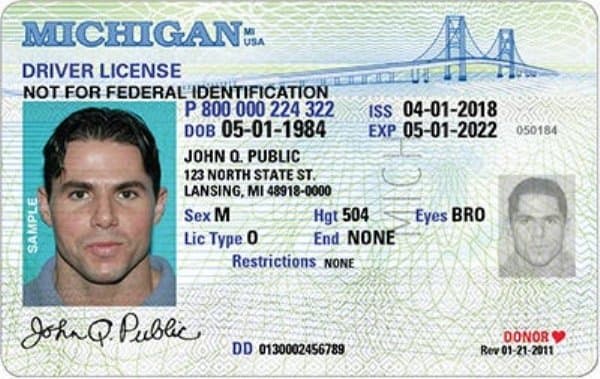
How Michigan's Permit Test Differs from Other States
Michigan isn't Ohio. It's not Indiana either. People assume because they're neighboring states, the tests are basically the same. They're not.
Michigan runs a Graduated Driver Licensing system, which means the Secretary of State (Driver & Vehicle Services) isn't just checking whether you memorized a stop sign. They want to know if you can think through a situation. Quickly. Under pressure.
You'll see scenario-based questions that describe real intersections and weather conditions. Things like "you're approaching a flashing yellow arrow at a busy intersection" or "temperatures are dropping and the road looks wet." Michigan leans hard into winter hazards and multilane decision-making because that's what driving here actually looks like.
Then there's the Michigan Left. If you've ever driven Telegraph or Gratiot with your parents, you know the deal. Instead of turning left at a light, you go straight through the intersection, make a U-turn at a median opening, then turn right. The test describes this without always calling it a "Michigan Left," which confuses people who haven't practiced it.
- Right on red is usually legal after a complete stop unless posted otherwise.
- Left on red is only allowed from a one-way street onto another one-way, after stopping.
- Michigan Left patterns require going straight, U-turning, then turning right.
This one trips people up.
The SOS language itself can throw you off too. They refer to themselves formally, and the guides use that wording. Getting familiar with it now saves confusion later.
Core Topics Covered on the Michigan Written Test
The michigan driving test covers a lot of ground, but it's not random. There's a clear lean toward safety and judgment over pure memorization. Whether you're studying in Grand Rapids, Troy, or Westland, you'll face questions that assume you understand city intersections, rural highways, and icy conditions all in the same exam.
Road signs show up, obviously. But the questions often aren't just "what does this sign mean." They ask what you should do next. That shift catches people off guard.
Right-of-way is huge. Four-way stops, unprotected lefts, pedestrians stepping into crosswalks - Michigan tests all of it. In Ann Arbor especially, pedestrian rules are taken seriously, and the written exam reflects that attitude. If someone is approaching a marked crosswalk, the safe answer is almost always stop.
Speed limits get tested in two ways. There are straightforward posted-limit questions, and then there are the ones where the correct answer is slower than the limit because of rain, snow, or glare. Michigan freeways hit 75 mph in some stretches, but the test cares about conditions more than confidence.
Following distance is another big category. The SOS loves asking about reaction time and braking distance, especially on ice. Dry pavement stopping and black ice stopping are completely different animals.
- Drivers should give bicyclists at least 3 feet when passing.
- Around school buses in cities like Dearborn, stopping rules are strict.
- Michigan's hands-free law means no holding your phone even at red lights.
This one trips people up.
Watch for "may" versus "must" in answer choices. That single word changes everything. And if two options sound correct, pick the more cautious one. The test rewards careful thinking over bold answers.
Format and Passing Requirements
Here's what you're walking into. The permit exam is multiple choice, typically around 50 questions. You need roughly 80% correct to pass, which sounds generous until you realize how many questions use tricky phrasing or describe scenarios instead of asking flat rules.
That's exactly why practicing with a michigan permit practice test matters. Generic flashcards teach you definitions. Michigan-style practice teaches you how those definitions show up when they're wrapped inside a scenario about wet roads and flashing signals.
Not everything is hard. Some questions are straightforward sign identification or basic rules. But scattered among those are the ones designed to test whether you're actually reading carefully.
- Questions blend signs, rules, and situational judgment.
- Many items are scenario-based rather than straight recall.
- Wording details matter more than you'd expect.
This one trips people up.
If you've been practicing around Detroit, don't let your familiarity with aggressive merges make you overconfident on basic questions. If you're from Grand Rapids and comfortable with roundabouts, remember the test still leans heavily on traditional intersections. Read slowly. Then answer.
Common Mistakes to Avoid
Most people don't fail because they're clueless. They fail because they rush or overthink one detail. The questions are usually fair. Just precise.
Stopping distance gets people. Michigan loves winter driving questions, and if you're used to tailgating on I-94 because traffic is moving fast, that instinct won't help you on the exam. Icy roads mean more space. A lot more.
Right-of-way confusion at complex intersections is another killer. Cities like Warren and Sterling Heights have multilane roads with turn restrictions. If a sign says no left turn, you follow the posted pattern. Period. The test expects you to understand that without guessing.
Phone law questions trip people up because they assume "stopped at a red light" means you can use your phone. Nope. Michigan's hands-free law doesn't care that you're not moving. Holding the device is holding the device.
Pedestrian priority matters too. Especially in college towns like Ann Arbor where people cross mid-block constantly. The exam reflects that reality. When in doubt, the answer involves yielding.
And weather. Michigan isn't Florida. Bridges ice first. Traction drops fast. Skid recovery shows up on the test. You don't need to be an expert, but you need the fundamentals.
- Don't assume the fastest-sounding answer is right.
- Don't ignore signs that modify the default rule.
- Don't pick answers just because they sound confident.
This one trips people up.
Slow down. Seriously.
Why Practice Tests Matter in Michigan
A good practice test does two things simultaneously. It teaches you the actual rules, and it teaches you how Michigan phrases questions about those rules. That second piece is where most of the value lives. Plenty of people know what a yield sign means but still miss the question because of one word in the scenario.
Using a practice exam built for Michigan helps you recognize patterns. You start seeing which topics the SOS revisits. You get faster at spotting the trick choice that sounds right but isn't quite. Comfort builds. And when you're calm, you read better. Simple as that.
Michigan has specific topics that feel totally normal once you've practiced but confusing if you haven't touched them.
Michigan Left patterns are one. If you've ridden along Hall Road in Macomb County, you've watched it happen. The test might describe the maneuver without naming it and still expect you to choose correctly.
Roundabouts are another. More common around Oakland County and parts of Grand Rapids. Yield to traffic already circling. Don't stop inside unless absolutely necessary.
Freeway behavior matters too. Keep right except to pass is the rule, even though half the drivers on I-96 ignore it. Michigan also allows right-side passing on multilane roads when it's safe, which does show up in questions.
- Take at least one full-length practice run before test day.
- Review every wrong answer immediately so the correction sticks.
- Keep going until your score sits consistently above passing.
This one trips people up.
No-fault insurance basics may appear too. Michigan drivers carry PIP coverage, and the state's system is distinctive. You won't need to memorize every detail for the permit exam, but understanding that insurance requirements are strict here helps with a handful of questions.
The goal isn't perfection during practice. It's building enough familiarity that the real exam feels like something you've already done. One question at a time. You've got this.
Michigan Permit Test FAQs
How many questions are on the Michigan permit test?
The exam typically runs about 50 multiple-choice questions. The exact count can shift slightly, but you should prepare for a full-length test covering signs, rules, and real-world driving scenarios mixed together.
What score do you need to pass in Michigan?
You generally need around 80% correct. That gives you a little room for error, but not much. Consistent practice is the only reliable way to clear that threshold without sweating through every question.
Is the Michigan permit test harder than other states?
It can feel harder because of the scenario-heavy format, the emphasis on winter driving, and questions about complex intersections like Michigan Lefts. That said, if you study with Michigan-specific materials instead of generic guides, the difficulty drops significantly. Preparation changes everything.
Can you take the Michigan permit test online?
Generally the official knowledge test is administered in person at an SOS branch office. Options and pilot programs do shift occasionally, so checking the Secretary of State (Driver & Vehicle Services) website before scheduling is smart. Don't assume what worked for a friend last year still applies.
How many times can you fail the permit test in Michigan?
Michigan does allow retakes, though waiting periods and specific limits can vary by location and situation. If you don't pass, ask the staff at your testing office about the retake timeline, then use whatever topics you missed as your study guide for the next round. Most people pass on the second try when they actually review their weak spots instead of just re-reading everything equally.
See more
How Michigan's Permit Test Differs from Other States
Michigan isn't Ohio. It's not Indiana either. People assume because they're neighboring states, the tests are basically the same. They're not.
Michigan runs a Graduated Driver Licensing system, which means the Secretary of State (Driver & Vehicle Services) isn't just checking whether you memorized a stop sign. They want to know if you can think through a situation. Quickly. Under pressure.
You'll see scenario-based questions that describe real intersections and weather conditions. Things like "you're approaching a flashing yellow arrow at a busy intersection" or "temperatures are dropping and the road looks wet." Michigan leans hard into winter hazards and multilane decision-making because that's what driving here actually looks like.
Then there's the Michigan Left. If you've ever driven Telegraph or Gratiot with your parents, you know the deal. Instead of turning left at a light, you go straight through the intersection, make a U-turn at a median opening, then turn right. The test describes this without always calling it a "Michigan Left," which confuses people who haven't practiced it.
- Right on red is usually legal after a complete stop unless posted otherwise.
- Left on red is only allowed from a one-way street onto another one-way, after stopping.
- Michigan Left patterns require going straight, U-turning, then turning right.
This one trips people up.
The SOS language itself can throw you off too. They refer to themselves formally, and the guides use that wording. Getting familiar with it now saves confusion later.
Core Topics Covered on the Michigan Written Test
The michigan driving test covers a lot of ground, but it's not random. There's a clear lean toward safety and judgment over pure memorization. Whether you're studying in Grand Rapids, Troy, or Westland, you'll face questions that assume you understand city intersections, rural highways, and icy conditions all in the same exam.
Road signs show up, obviously. But the questions often aren't just "what does this sign mean." They ask what you should do next. That shift catches people off guard.
Right-of-way is huge. Four-way stops, unprotected lefts, pedestrians stepping into crosswalks - Michigan tests all of it. In Ann Arbor especially, pedestrian rules are taken seriously, and the written exam reflects that attitude. If someone is approaching a marked crosswalk, the safe answer is almost always stop.
Speed limits get tested in two ways. There are straightforward posted-limit questions, and then there are the ones where the correct answer is slower than the limit because of rain, snow, or glare. Michigan freeways hit 75 mph in some stretches, but the test cares about conditions more than confidence.
Following distance is another big category. The SOS loves asking about reaction time and braking distance, especially on ice. Dry pavement stopping and black ice stopping are completely different animals.
- Drivers should give bicyclists at least 3 feet when passing.
- Around school buses in cities like Dearborn, stopping rules are strict.
- Michigan's hands-free law means no holding your phone even at red lights.
This one trips people up.
Watch for "may" versus "must" in answer choices. That single word changes everything. And if two options sound correct, pick the more cautious one. The test rewards careful thinking over bold answers.
Format and Passing Requirements
Here's what you're walking into. The permit exam is multiple choice, typically around 50 questions. You need roughly 80% correct to pass, which sounds generous until you realize how many questions use tricky phrasing or describe scenarios instead of asking flat rules.
That's exactly why practicing with a michigan permit practice test matters. Generic flashcards teach you definitions. Michigan-style practice teaches you how those definitions show up when they're wrapped inside a scenario about wet roads and flashing signals.
Not everything is hard. Some questions are straightforward sign identification or basic rules. But scattered among those are the ones designed to test whether you're actually reading carefully.
- Questions blend signs, rules, and situational judgment.
- Many items are scenario-based rather than straight recall.
- Wording details matter more than you'd expect.
This one trips people up.
If you've been practicing around Detroit, don't let your familiarity with aggressive merges make you overconfident on basic questions. If you're from Grand Rapids and comfortable with roundabouts, remember the test still leans heavily on traditional intersections. Read slowly. Then answer.
Common Mistakes to Avoid
Most people don't fail because they're clueless. They fail because they rush or overthink one detail. The questions are usually fair. Just precise.
Stopping distance gets people. Michigan loves winter driving questions, and if you're used to tailgating on I-94 because traffic is moving fast, that instinct won't help you on the exam. Icy roads mean more space. A lot more.
Right-of-way confusion at complex intersections is another killer. Cities like Warren and Sterling Heights have multilane roads with turn restrictions. If a sign says no left turn, you follow the posted pattern. Period. The test expects you to understand that without guessing.
Phone law questions trip people up because they assume "stopped at a red light" means you can use your phone. Nope. Michigan's hands-free law doesn't care that you're not moving. Holding the device is holding the device.
Pedestrian priority matters too. Especially in college towns like Ann Arbor where people cross mid-block constantly. The exam reflects that reality. When in doubt, the answer involves yielding.
And weather. Michigan isn't Florida. Bridges ice first. Traction drops fast. Skid recovery shows up on the test. You don't need to be an expert, but you need the fundamentals.
- Don't assume the fastest-sounding answer is right.
- Don't ignore signs that modify the default rule.
- Don't pick answers just because they sound confident.
This one trips people up.
Slow down. Seriously.
Why Practice Tests Matter in Michigan
A good practice test does two things simultaneously. It teaches you the actual rules, and it teaches you how Michigan phrases questions about those rules. That second piece is where most of the value lives. Plenty of people know what a yield sign means but still miss the question because of one word in the scenario.
Using a practice exam built for Michigan helps you recognize patterns. You start seeing which topics the SOS revisits. You get faster at spotting the trick choice that sounds right but isn't quite. Comfort builds. And when you're calm, you read better. Simple as that.
Michigan has specific topics that feel totally normal once you've practiced but confusing if you haven't touched them.
Michigan Left patterns are one. If you've ridden along Hall Road in Macomb County, you've watched it happen. The test might describe the maneuver without naming it and still expect you to choose correctly.
Roundabouts are another. More common around Oakland County and parts of Grand Rapids. Yield to traffic already circling. Don't stop inside unless absolutely necessary.
Freeway behavior matters too. Keep right except to pass is the rule, even though half the drivers on I-96 ignore it. Michigan also allows right-side passing on multilane roads when it's safe, which does show up in questions.
- Take at least one full-length practice run before test day.
- Review every wrong answer immediately so the correction sticks.
- Keep going until your score sits consistently above passing.
This one trips people up.
No-fault insurance basics may appear too. Michigan drivers carry PIP coverage, and the state's system is distinctive. You won't need to memorize every detail for the permit exam, but understanding that insurance requirements are strict here helps with a handful of questions.
The goal isn't perfection during practice. It's building enough familiarity that the real exam feels like something you've already done. One question at a time. You've got this.
Michigan Permit Test FAQs
How many questions are on the Michigan permit test?
The exam typically runs about 50 multiple-choice questions. The exact count can shift slightly, but you should prepare for a full-length test covering signs, rules, and real-world driving scenarios mixed together.
What score do you need to pass in Michigan?
You generally need around 80% correct. That gives you a little room for error, but not much. Consistent practice is the only reliable way to clear that threshold without sweating through every question.
Is the Michigan permit test harder than other states?
It can feel harder because of the scenario-heavy format, the emphasis on winter driving, and questions about complex intersections like Michigan Lefts. That said, if you study with Michigan-specific materials instead of generic guides, the difficulty drops significantly. Preparation changes everything.
Can you take the Michigan permit test online?
Generally the official knowledge test is administered in person at an SOS branch office. Options and pilot programs do shift occasionally, so checking the Secretary of State (Driver & Vehicle Services) website before scheduling is smart. Don't assume what worked for a friend last year still applies.
How many times can you fail the permit test in Michigan?
Michigan does allow retakes, though waiting periods and specific limits can vary by location and situation. If you don't pass, ask the staff at your testing office about the retake timeline, then use whatever topics you missed as your study guide for the next round. Most people pass on the second try when they actually review their weak spots instead of just re-reading everything equally.