VirginiaMotorcycle Permit Practice Test
The Virginia motorcycle knowledge exam has 25 questions. You need at least 20 correct. It draws from the Virginia Motorcycle Operator Manual. What I tell every student is that this test is checking whether you think like somebody on two wheels, and since Virginia makes every rider wear a helmet, you'll get gear questions that actually count. That shift matters on braking and lane-position questions.
The good news? Nobody's asking you to memorize the manual cover to cover, and I'd spend that energy figuring out how the exam's put together and where riders usually slip up. Once you get the ideas down, running through a va motorcycle permit practice test every day or so will get you there quicker than reading the same chapters over and over.
See more
The Virginia motorcycle knowledge exam has 25 questions. You need at least 20 correct. It draws from the Virginia Motorcycle Operator Manual. What I tell every student is that this test is checking whether you think like somebody on two wheels, and since Virginia makes every rider wear a helmet, you'll get gear questions that actually count. That shift matters on braking and lane-position questions.
The good news? Nobody's asking you to memorize the manual cover to cover, and I'd spend that energy figuring out how the exam's put together and where riders usually slip up. Once you get the ideas down, running through a va motorcycle permit practice test every day or so will get you there quicker than reading the same chapters over and over.
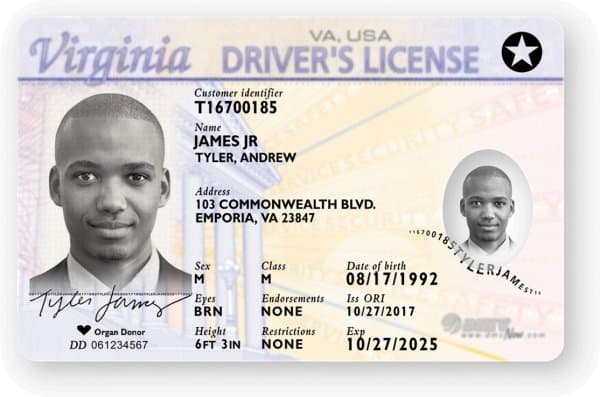
How the Virginia Motorcycle Knowledge Exam Is Organized in 2026
The Virginia Department of Motor Vehicles keeps the motorcycle knowledge exam tight. You get 25 questions. You need at least 20 correct. That's it. But that 80 percent standard means you can only miss five. Five sounds like a lot until you hit a question about braking distribution and realize two answers look right.
The content comes straight from the Virginia Motorcycle Operator Manual. The DMV doesn't hide the ball. They pretty much hand you the study list. The exam covers five areas:
- control skills
- traffic strategy
- hazard scanning
- protective gear
- impairment
Inside those you'll get stuff on cornering and lane position, plus questions about stopping in an emergency and what the law says about helmets and eye protection.
Once you get through the written part, Virginia still wants you to either pass a skills test or finish an approved rider course. The knowledge exam is just the first gate. Passing it gets you a permit so you can practice legally (with some restrictions), but you'll still need that road test or a course waiver before you get your full endorsement.
If you ride around Virginia Beach or Norfolk you already know how quick a ride goes bad when it starts pouring or you're heading into one of the bridge tunnels. The manual talks a lot about looking way up ahead and keeping space around you, and I'd take that to heart by the Hampton Roads Bridge Tunnel, where traffic will slam to a stop for no reason you can see.
Scoring Rules and the Mistakes VA Riders Make Most
You need 20 of 25 to pass. That's an 80 percent standard. Miss six and you're retaking the test. The margin is thin enough that one weak area can sink you.
The most common misses are predictable. Braking distribution questions get people because car logic says hit the brakes evenly. On a bike, though, most of your stopping comes from the front brake. Lane-position questions test whether you avoid the lane center. It's not. The center collects oil and debris. Virginia's helmet and eye protection laws also show up, and riders who assume neighboring state rules apply get them wrong.
Years of car experience can work against you. Car habits feel normal behind a wheel. A motorcycle leans and swerves differently. It needs a different kind of space cushion. If you've been driving in Richmond traffic for a decade, you have instincts. I'd be a little suspicious of a few of those habits once you're on a bike.
The manual states legal duties with precise words. A question might describe a lane change. You need to choose the action that Virginia law requires.
What Makes Riding in Virginia Unlike Neighboring States
Virginia's helmet law is universal. It covers every rider and passenger. No age exceptions, no experience loopholes. Gear questions carry real weight because of that law. That's stricter than several neighboring states, and the exam reinforces it.
You also need eye protection. If your bike has a windshield you're covered, otherwise you'll want goggles or a face shield, and regular sunglasses won't count. The test expects you to know this, not guess.
Riding conditions change by region. Expect:
- Blue Ridge Parkway curves: smooth throttle control and late apex judgment
- Northern Virginia congestion, where folks are changing lanes on you every few seconds and nobody's in a mood to wait
- Hampton Roads, with the tunnels and the wind on the bridges and fog that rolls in out of nowhere
Somebody riding in Chesapeake is going to run into different trouble than somebody up in Roanoke. The manual covers all regions. The test doesn't care which part you call home.
Newport News and Portsmouth riders see bridge crossings as wind tunnels. Crosswind questions test your response. I'd tell you to loosen up on the grips a bit and lean into the wind. That's motorcycle specific. Car drivers rarely face that.
First-Attempt Strategies for the Virginia Motorcycle Test
I'd go through the whole Motorcycle Operator Manual. Read each chapter once with focus. The 25 questions pull evenly across chapters. Don't skip group riding or night visibility.
Drill motorcycle specific physics. Master three control skills:
- Braking, and remember the front brake is doing most of the work
- Cornering, where you get slowed down before the curve and roll on the throttle gently through it
- Swerving, which mostly comes down to looking where you want the bike to go, because it'll follow your eyes
I like having students take a free va dmv motorcycle practice test just to find out where they stand. Take one early. Look at which chapters you missed the most on and go back over those, and keep at it until you're getting more than 20 right every time without having to guess. Then book the DMV visit.
Feeling ready isn't really what I'd go by, I'd wait until you're passing those practice tests with a few questions to spare.
How Practice Exams Fast-Track Virginia Riders to a Permit
Practice reveals the manual's question style. It tests safest-choice judgment. It doesn't ask for definitions. The safest answer usually gets the point.
Wrong answer review matters. When you miss a question, don't just note the correct answer. Go back to the manual section it came from. That way your study time compounds. Target the manual section behind each miss.
Confidence is the quiet advantage. A dmv motorcycle practice test va simulation reduces the nerves that cause silly errors. You've seen the format. You've felt the timer. You know how to pick the safest answer. That familiarity keeps test-day nerves down.
Alexandria and Arlington riders already face road stress. The permit test shouldn't add to it. A few va dmv motorcycle permit practice test sessions can help you avoid a retake.
- Braking and cornering punish car habits.
- Helmet and eye protection rules are non negotiable in Virginia.
- Lane position choices follow road surface and traffic flow.
Lane position causes frequent misses.
Virginia Motorcycle Permit Test FAQs
How many questions are on the Virginia motorcycle knowledge test?
There are 25 questions on the Virginia motorcycle knowledge exam, and you've got to get at least 20 of them right.
What score do you need to pass the Virginia motorcycle exam?
You'll need 20 out of 25, which works out to 80 percent, so if you miss six or more you're coming back to take it again.
Does Virginia require helmets for all motorcycle riders?
Yes. In Virginia everybody on the bike wears one, rider and passenger both, it doesn't matter how old you are or how long you've been riding, and the helmet's got to meet safety standards.
Do you need eye protection to ride a motorcycle in Virginia?
You do unless your bike has a windshield, and then goggles or a face shield or approved riding glasses will work, and the exam's going to treat it as a must.
Can a rider course replace any Virginia motorcycle testing?
Yes. If you finish an approved rider course, that can get the skills test waived for you. You still pass the knowledge exam. Current DMV guidance sets whether the course satisfies the road test.
How many times can you retake the Virginia motorcycle test?
Virginia allows retakes. There may be a short wait and a fee before you can try again, so I'd check with the DMV on what the current rules are. Practice tests help you avoid a second visit.
See more
How the Virginia Motorcycle Knowledge Exam Is Organized in 2026
The Virginia Department of Motor Vehicles keeps the motorcycle knowledge exam tight. You get 25 questions. You need at least 20 correct. That's it. But that 80 percent standard means you can only miss five. Five sounds like a lot until you hit a question about braking distribution and realize two answers look right.
The content comes straight from the Virginia Motorcycle Operator Manual. The DMV doesn't hide the ball. They pretty much hand you the study list. The exam covers five areas:
- control skills
- traffic strategy
- hazard scanning
- protective gear
- impairment
Inside those you'll get stuff on cornering and lane position, plus questions about stopping in an emergency and what the law says about helmets and eye protection.
Once you get through the written part, Virginia still wants you to either pass a skills test or finish an approved rider course. The knowledge exam is just the first gate. Passing it gets you a permit so you can practice legally (with some restrictions), but you'll still need that road test or a course waiver before you get your full endorsement.
If you ride around Virginia Beach or Norfolk you already know how quick a ride goes bad when it starts pouring or you're heading into one of the bridge tunnels. The manual talks a lot about looking way up ahead and keeping space around you, and I'd take that to heart by the Hampton Roads Bridge Tunnel, where traffic will slam to a stop for no reason you can see.
Scoring Rules and the Mistakes VA Riders Make Most
You need 20 of 25 to pass. That's an 80 percent standard. Miss six and you're retaking the test. The margin is thin enough that one weak area can sink you.
The most common misses are predictable. Braking distribution questions get people because car logic says hit the brakes evenly. On a bike, though, most of your stopping comes from the front brake. Lane-position questions test whether you avoid the lane center. It's not. The center collects oil and debris. Virginia's helmet and eye protection laws also show up, and riders who assume neighboring state rules apply get them wrong.
Years of car experience can work against you. Car habits feel normal behind a wheel. A motorcycle leans and swerves differently. It needs a different kind of space cushion. If you've been driving in Richmond traffic for a decade, you have instincts. I'd be a little suspicious of a few of those habits once you're on a bike.
The manual states legal duties with precise words. A question might describe a lane change. You need to choose the action that Virginia law requires.
What Makes Riding in Virginia Unlike Neighboring States
Virginia's helmet law is universal. It covers every rider and passenger. No age exceptions, no experience loopholes. Gear questions carry real weight because of that law. That's stricter than several neighboring states, and the exam reinforces it.
You also need eye protection. If your bike has a windshield you're covered, otherwise you'll want goggles or a face shield, and regular sunglasses won't count. The test expects you to know this, not guess.
Riding conditions change by region. Expect:
- Blue Ridge Parkway curves: smooth throttle control and late apex judgment
- Northern Virginia congestion, where folks are changing lanes on you every few seconds and nobody's in a mood to wait
- Hampton Roads, with the tunnels and the wind on the bridges and fog that rolls in out of nowhere
Somebody riding in Chesapeake is going to run into different trouble than somebody up in Roanoke. The manual covers all regions. The test doesn't care which part you call home.
Newport News and Portsmouth riders see bridge crossings as wind tunnels. Crosswind questions test your response. I'd tell you to loosen up on the grips a bit and lean into the wind. That's motorcycle specific. Car drivers rarely face that.
First-Attempt Strategies for the Virginia Motorcycle Test
I'd go through the whole Motorcycle Operator Manual. Read each chapter once with focus. The 25 questions pull evenly across chapters. Don't skip group riding or night visibility.
Drill motorcycle specific physics. Master three control skills:
- Braking, and remember the front brake is doing most of the work
- Cornering, where you get slowed down before the curve and roll on the throttle gently through it
- Swerving, which mostly comes down to looking where you want the bike to go, because it'll follow your eyes
I like having students take a free va dmv motorcycle practice test just to find out where they stand. Take one early. Look at which chapters you missed the most on and go back over those, and keep at it until you're getting more than 20 right every time without having to guess. Then book the DMV visit.
Feeling ready isn't really what I'd go by, I'd wait until you're passing those practice tests with a few questions to spare.
How Practice Exams Fast-Track Virginia Riders to a Permit
Practice reveals the manual's question style. It tests safest-choice judgment. It doesn't ask for definitions. The safest answer usually gets the point.
Wrong answer review matters. When you miss a question, don't just note the correct answer. Go back to the manual section it came from. That way your study time compounds. Target the manual section behind each miss.
Confidence is the quiet advantage. A dmv motorcycle practice test va simulation reduces the nerves that cause silly errors. You've seen the format. You've felt the timer. You know how to pick the safest answer. That familiarity keeps test-day nerves down.
Alexandria and Arlington riders already face road stress. The permit test shouldn't add to it. A few va dmv motorcycle permit practice test sessions can help you avoid a retake.
- Braking and cornering punish car habits.
- Helmet and eye protection rules are non negotiable in Virginia.
- Lane position choices follow road surface and traffic flow.
Lane position causes frequent misses.
Virginia Motorcycle Permit Test FAQs
How many questions are on the Virginia motorcycle knowledge test?
There are 25 questions on the Virginia motorcycle knowledge exam, and you've got to get at least 20 of them right.
What score do you need to pass the Virginia motorcycle exam?
You'll need 20 out of 25, which works out to 80 percent, so if you miss six or more you're coming back to take it again.
Does Virginia require helmets for all motorcycle riders?
Yes. In Virginia everybody on the bike wears one, rider and passenger both, it doesn't matter how old you are or how long you've been riding, and the helmet's got to meet safety standards.
Do you need eye protection to ride a motorcycle in Virginia?
You do unless your bike has a windshield, and then goggles or a face shield or approved riding glasses will work, and the exam's going to treat it as a must.
Can a rider course replace any Virginia motorcycle testing?
Yes. If you finish an approved rider course, that can get the skills test waived for you. You still pass the knowledge exam. Current DMV guidance sets whether the course satisfies the road test.
How many times can you retake the Virginia motorcycle test?
Virginia allows retakes. There may be a short wait and a fee before you can try again, so I'd check with the DMV on what the current rules are. Practice tests help you avoid a second visit.