How to Pass the CO Permit Test on Your First Attempt
I've seen too many people walk into the DMV thinking they know it all. They don't. The Colorado permit test isn't designed to trick you, but it has a way of finding the gaps you didn't know you had. You might have read the handbook twice. You might even have driven a few logging roads up near Leadville. Still, the test asks questions that feel oddly specific, like they were written by someone who's actually navigated black ice on C-470 at 5 a.m.
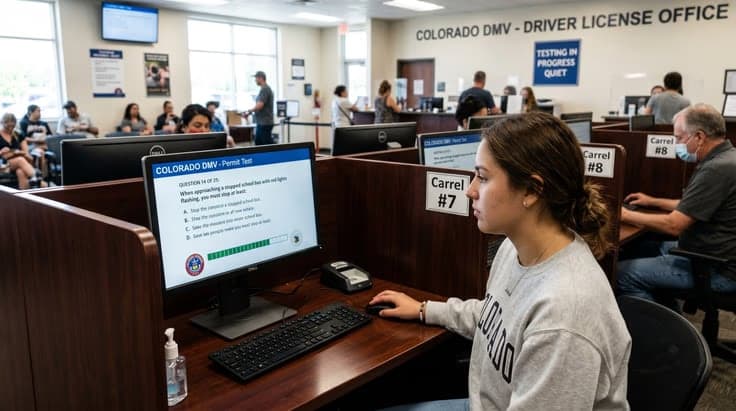
What the Colorado Permit Test Actually Looks Like
It's multiple choice. Not scary. But the wording is careful.
You'll see stuff about speed limits, signs, and safe following distances - the usual. Then a handful of questions that make you stop. Two answers look right. One is legally correct, the other is what most people actually do on I-25 when they're running late. The test wants the legal one, not the human one. You'll also face scenarios that involve mountain roads, unpredictable weather, and cyclists darting through Denver's side streets. It feels local. Very local. If you've never driven up Floyd Hill with a semi riding your bumper, you'll still need to know who yields when the grade gets steep.
The Topics That Cause Most Colorado Test Failures
- Right-of-way at four-way stops near big intersections like Powers Blvd.
- Stopping distances on packed snow - not doubled, but ten times longer.
- Traction law and the difference between a tread recommendation and actual chain requirements.
This one trips people up.
People also miss questions about mountain etiquette: downhill traffic yields to uphill on a narrow grade, and using lower gears to save your brakes isn't just a nice idea. And then there's the Colorado Safety Stop for bikes - you need to know when it applies and when it doesn't. The test loves to phrase things as "the safest thing to do," not just "the legal thing." Sometimes those two line up. Sometimes they don't.
How to Build a Study Plan That Actually Works
Don't binge the handbook. It won't stick.
Read in short bursts - twenty minutes on signs, then walk away. Later, tackle right-of-way. Then stop. Your brain needs time to glue the rules to real-world images, like what you'd do if a deer jumped out near Red Rocks at dusk. Alongside the handbook, use a Colorado permit practice test regularly. After every round, study the ones you missed. I see too many people just re-drill the answers they already know. That's ego, not learning. Sit with the wrong answers. Figure out why the other choice was better. That's the uncomfortable part that actually reduces test-day panic.
If you're wondering how many questions are on the Colorado permit test - the number isn't massive, but each one can pivot on a single word like "may" versus "must." Time pressure makes you misread. So train yourself to slow down.

The Biggest Permit-Test Myths Colorado Drivers Believe
A huge one: thinking the Colorado permit test is just like the one your cousin took in Kansas. It's not.
Another: believing you can just memorize the practice test answers and walk in. The DMV rephrases things. They'll take a concept about left-lane law on highways 65 mph or faster and twist the wording so that only understanding saves you. Some folks also think the test barely mentions weather. In reality, winter traction and mountain driving are everywhere. You can't afford to ignore how elevation affects your engine and your reaction time.
So, how hard is the Colorado permit test, really? It's not impossible. But it's sneaky.
How Colorado Testing Differs from Neighboring States
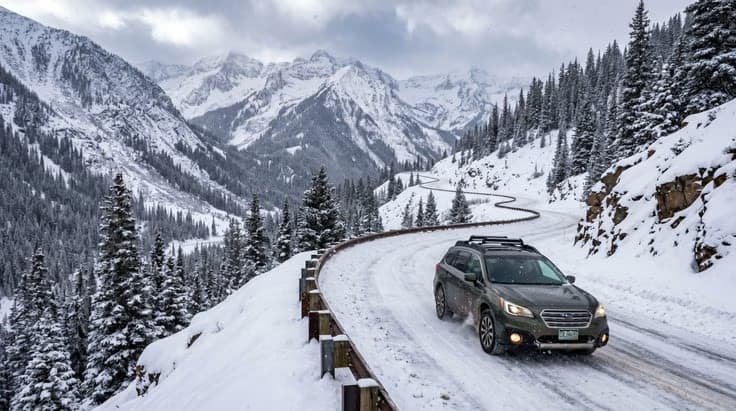
Flatland states don't spend much time on runaway truck ramps. Colorado does. You'll need to know what to do on long descents, how to use lower gears, and why you shouldn't ride your brakes down Vail Pass. The air is thinner, the roads steeper. Weather near the Palmer Divide can flip in twenty minutes - black ice while the sun's still shining in Denver. Test questions reflect that chaos. They want you ready for a sudden hailstorm or a deer on a foothills road at twilight. The test isn't abstract; it's built for the exact conditions you'll hit between Fort Collins and Colorado Springs.
What to Do the Night Before Your Colorado Permit Test
Don't cram.
If you've been doing short, consistent study sessions, trust that work. The night before, just review road signs calmly and maybe glance at traction law specifics. Get a full night's sleep. I've seen sharp people miss questions because fatigue made them misread "may" instead of "must." In the morning, eat breakfast - you don't want an empty stomach making you jittery at the DMV office. Bring your documents. It helps to know how much is a permit test in Colorado beforehand, not just the dollar amount but also what forms of payment they take. Check the DMV website so you're not surprised. A little logistical peace goes a long way.
The Habits Shared by Drivers Who Pass on the First Try
They don't study once. They study in small, irregular bursts over days. They ask "why" behind every rule.
When they read about moving over for stationary vehicles with flashing hazards, they picture a stranded car on the shoulder of I-225. That mental snapshot locks it in. They also use a Colorado permit practice test until the format feels boring - that kills anxiety. And they know the practical stuff. They've checked how many questions are on the Colorado permit test so the length doesn't throw them off, and they understand that how much is a permit test in Colorado can vary so they bring the right amount. Ultimately, they walk out with a permit not because they're perfect drivers yet, but because they've shown the DMV they can think safely on every kind of road Colorado throws at you - from the fast slog of I-25 through the Front Range to a snowy crawl up Vail Pass.
Share