CaliforniaMoto Tests California
CA DMV Motorcycle Practice Test
Getting ready to ride in California is exciting. Also stressful. A CA DMV motorcycle practice test is the quickest way to trade that "I hope I pass" feeling for something steadier, because it shows you the style of questions you'll face before you're under DMV time pressure.
No surprises.
Practice questions usually mirror the wording, the scenarios, and the little traps that show up on the real permit or license exam. The sneakiest part is when two answers look right, but one word changes everything-"may" vs "must." Tiny difference. Big points. These tests force you to slow down, read closely, and learn the rules that actually matter on California roads, whether you're thinking about stop-and-go in Los Angeles or steep starts on a San Francisco hill.
You'll notice patterns.
If you're working toward a permit first or trying to get your full M1, studying this way improves your odds. A lot. Especially in places like San Diego or San Jose where traffic is fast, lane changes happen without warning, and you don't want basic safety rules to feel fuzzy when it counts. Do a little each day, take a few different practice sets, and you'll stop guessing. That's the goal.
See more
CA DMV Motorcycle Practice Test
Getting ready to ride in California is exciting. Also stressful. A CA DMV motorcycle practice test is the quickest way to trade that "I hope I pass" feeling for something steadier, because it shows you the style of questions you'll face before you're under DMV time pressure.
No surprises.
Practice questions usually mirror the wording, the scenarios, and the little traps that show up on the real permit or license exam. The sneakiest part is when two answers look right, but one word changes everything-"may" vs "must." Tiny difference. Big points. These tests force you to slow down, read closely, and learn the rules that actually matter on California roads, whether you're thinking about stop-and-go in Los Angeles or steep starts on a San Francisco hill.
You'll notice patterns.
If you're working toward a permit first or trying to get your full M1, studying this way improves your odds. A lot. Especially in places like San Diego or San Jose where traffic is fast, lane changes happen without warning, and you don't want basic safety rules to feel fuzzy when it counts. Do a little each day, take a few different practice sets, and you'll stop guessing. That's the goal.
How to Get a Motorcycle License in California
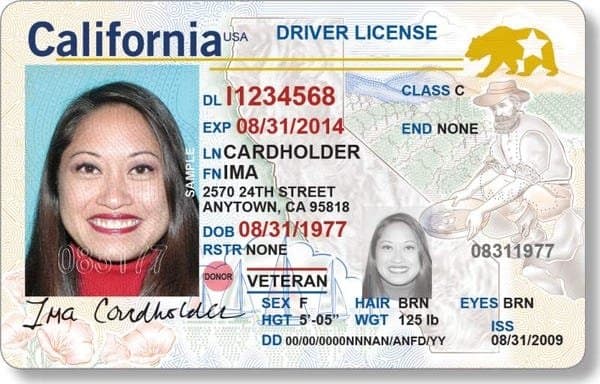
California's steps are fairly straightforward, but they change based on your age and whether you start with a permit. In general, you apply at the DMV, prove your identity, pay the fee, and pass the knowledge test. That's where practice tests help most, because the questions can feel oddly specific if you've only skimmed the handbook.
Start simple.
Most riders follow this path toward an M1 license:
- Apply for a motorcycle instruction permit and pass the written knowledge test.
- Ride with permit restrictions and build real seat time before your next step.
- Complete the skills test, or waive it by finishing an approved safety course.
This one trips people up.
Age matters.
If you're under 21, California typically requires a motorcycle safety course before you can get the full license. If you're over 21, the course can still be worth it because it may let you skip the DMV skills test-something many people appreciate when the test area is busy and you're already nervous.
Read the permit rules.
A permit is not a car permit. Restrictions can include limits on passengers, freeway riding, and when you can ride. Don't assume. If you're practicing near Fresno or Bakersfield, you might deal with rural highways and wide farm equipment; closer to Long Beach or Anaheim, you'll see heavy merging and aggressive lane changes. California drivers move fast. Motorcycles need space.
What the CA DMV Motorcycle Test Includes
The motorcycle knowledge test is a written exam (often on a screen) based on the California Motorcycle Handbook. It focuses on real decisions, not trivia. Expect questions on lane positioning, braking, cornering, hazards, and sharing the road, plus California-specific laws you're expected to know before you ride solo.
Read it twice.
Time pressure makes people misread. One word can flip the entire meaning, and sometimes the "best" answer is the safest choice, not the one that sounds merely legal. The DMV leans hard toward safety-first thinking.
You'll see these themes repeatedly:
- Basic control concepts: turning, stopping distance, and using both brakes correctly.
- Risk management: scanning, following distance, and keeping an escape path.
- California rules: right-of-way basics, lane sharing awareness, and rider responsibilities.
This one trips people up.
California has quirks.
Lane splitting is legal here. The test may not ask you to get technical about it, but it does expect you to understand what's allowed and to ride defensively around it-because you'll encounter it immediately in real traffic, especially around Los Angeles and San Diego. Also, right turn on red is usually allowed unless posted, and city areas like San Francisco love "No Turn on Red" signs. Don't guess.
Know the signs.
If you're using an online prep tool, don't just crank through questions. Mix short study sessions with practice exams, then review every miss and figure out why. That's the fastest way to go from "how to get motorcycle license in CA" searches to walking in with a plan you actually trust.
Common Topics in Motorcycle Practice Tests
Most motorcycle practice tests hit the same core categories because they're the building blocks of safe riding in California. The tricky part is that the questions change the setting, add a distraction, or ask what you should do first. First matters.
Stay calm.
Common topics you'll run into include:
- Lane position for visibility and space cushions around cars.
- Intersections and right-of-way, especially the left-turn threat.
- Gear, weather risk, and riding when visibility drops.
This one trips people up.
California makes it real.
In the Bay Area, commuter traffic and sudden lane changes are constant. In Los Angeles, a freeway like the I‑405 can go from flowing to stop-and-go in minutes, and that's when following distance and mirror checks stop being "nice ideas" and become survival habits. In the Central Valley, tule fog can roll in fast during winter mornings and cut visibility way down. In San Francisco, hills add their own challenge when you're stopping smoothly, starting again, and keeping balance.
One more thing.
Expect questions about distraction and attention. California's hands-free rules are strict, and the test wants you to know that holding a phone is not OK while riding. Even a "quick look" can turn into a problem. The safe habit is boring but effective: eyes up, hands on the controls, mind on the road.
Keep practicing.
If you take a CA motorcycle practice exam until the format feels familiar, the DMV test stops feeling mysterious. You'll walk in prepared. Not lucky. Prepared.
See more
How to Get a Motorcycle License in California
California's steps are fairly straightforward, but they change based on your age and whether you start with a permit. In general, you apply at the DMV, prove your identity, pay the fee, and pass the knowledge test. That's where practice tests help most, because the questions can feel oddly specific if you've only skimmed the handbook.
Start simple.
Most riders follow this path toward an M1 license:
- Apply for a motorcycle instruction permit and pass the written knowledge test.
- Ride with permit restrictions and build real seat time before your next step.
- Complete the skills test, or waive it by finishing an approved safety course. This one trips people up.
Age matters.
If you're under 21, California typically requires a motorcycle safety course before you can get the full license. If you're over 21, the course can still be worth it because it may let you skip the DMV skills test-something many people appreciate when the test area is busy and you're already nervous.
Read the permit rules.
A permit is not a car permit. Restrictions can include limits on passengers, freeway riding, and when you can ride. Don't assume. If you're practicing near Fresno or Bakersfield, you might deal with rural highways and wide farm equipment; closer to Long Beach or Anaheim, you'll see heavy merging and aggressive lane changes. California drivers move fast. Motorcycles need space.
What the CA DMV Motorcycle Test Includes
The motorcycle knowledge test is a written exam (often on a screen) based on the California Motorcycle Handbook. It focuses on real decisions, not trivia. Expect questions on lane positioning, braking, cornering, hazards, and sharing the road, plus California-specific laws you're expected to know before you ride solo.
Read it twice.
Time pressure makes people misread. One word can flip the entire meaning, and sometimes the "best" answer is the safest choice, not the one that sounds merely legal. The DMV leans hard toward safety-first thinking.
You'll see these themes repeatedly:
- Basic control concepts: turning, stopping distance, and using both brakes correctly.
- Risk management: scanning, following distance, and keeping an escape path.
- California rules: right-of-way basics, lane sharing awareness, and rider responsibilities. This one trips people up.
California has quirks.
Lane splitting is legal here. The test may not ask you to get technical about it, but it does expect you to understand what's allowed and to ride defensively around it-because you'll encounter it immediately in real traffic, especially around Los Angeles and San Diego. Also, right turn on red is usually allowed unless posted, and city areas like San Francisco love "No Turn on Red" signs. Don't guess.
Know the signs.
If you're using an online prep tool, don't just crank through questions. Mix short study sessions with practice exams, then review every miss and figure out why. That's the fastest way to go from "how to get motorcycle license in CA" searches to walking in with a plan you actually trust.
Common Topics in Motorcycle Practice Tests
Most motorcycle practice tests hit the same core categories because they're the building blocks of safe riding in California. The tricky part is that the questions change the setting, add a distraction, or ask what you should do first. First matters.
Stay calm.
Common topics you'll run into include:
- Lane position for visibility and space cushions around cars.
- Intersections and right-of-way, especially the left-turn threat.
- Gear, weather risk, and riding when visibility drops. This one trips people up.
California makes it real.
In the Bay Area, commuter traffic and sudden lane changes are constant. In Los Angeles, a freeway like the I‑405 can go from flowing to stop-and-go in minutes, and that's when following distance and mirror checks stop being "nice ideas" and become survival habits. In the Central Valley, tule fog can roll in fast during winter mornings and cut visibility way down. In San Francisco, hills add their own challenge when you're stopping smoothly, starting again, and keeping balance.
One more thing.
Expect questions about distraction and attention. California's hands-free rules are strict, and the test wants you to know that holding a phone is not OK while riding. Even a "quick look" can turn into a problem. The safe habit is boring but effective: eyes up, hands on the controls, mind on the road.
Keep practicing.
If you take a CA motorcycle practice exam until the format feels familiar, the DMV test stops feeling mysterious. You'll walk in prepared. Not lucky. Prepared.