FloridaMotorcycle License Test Online
Getting ready for the Florida motorcycle permit exam can feel like a lot. It doesn't have to. This Florida motorcycle license test online practice page is meant to make the whole thing simpler: what the DHSMV cares about, how the questions are worded, and what to watch for when two answers look right. Because they will.
Breathe first.
You might be studying in Jacksonville, commuting in Miami, or squeezing in a few quiz runs between shifts in Tampa or Orlando. Same mission. Pass on the first try.
Florida traffic moves fast. So do the rules. The Florida Department of Highway Safety & Motor Vehicles (DHSMV) uses the knowledge test to make sure you understand safe riding, state traffic laws, and real situations-like a surprise downpour on I‑4 or stop-and-go crawling near Fort Lauderdale. Practice tests help because they train your brain for how the questions are asked. Not just what the answers are.
Read carefully. Time pressure makes you misread.
See more
Getting ready for the Florida motorcycle permit exam can feel like a lot. It doesn't have to. This Florida motorcycle license test online practice page is meant to make the whole thing simpler: what the DHSMV cares about, how the questions are worded, and what to watch for when two answers look right. Because they will.
Breathe first.
You might be studying in Jacksonville, commuting in Miami, or squeezing in a few quiz runs between shifts in Tampa or Orlando. Same mission. Pass on the first try.
Florida traffic moves fast. So do the rules. The Florida Department of Highway Safety & Motor Vehicles (DHSMV) uses the knowledge test to make sure you understand safe riding, state traffic laws, and real situations-like a surprise downpour on I‑4 or stop-and-go crawling near Fort Lauderdale. Practice tests help because they train your brain for how the questions are asked. Not just what the answers are.
Read carefully. Time pressure makes you misread.
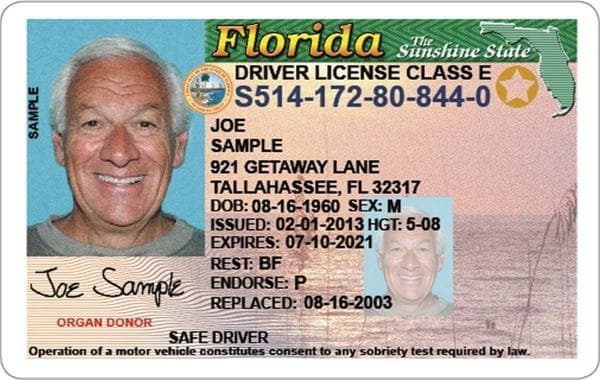
How to Get a Motorcycle License in Florida
To get legal on two wheels here, you'll follow the DHSMV process for either a permit or a motorcycle endorsement, depending on your age and what you already drive. The steps aren't hard. The order matters.
Start with the basics: identity, residency, and the right application. Then you'll take the motorcycle knowledge exam if you're going for a permit or adding an endorsement. Florida also expects most riders to complete motorcycle safety training before the endorsement is issued. Don't treat that as optional.
Plan ahead.
If you're in Orlando or Tampa, rider courses can fill up in spring and summer. Miami and Hialeah can be even tighter. Same around Cape Coral and Port St. Lucie once the weather turns perfect and everyone wants to ride.
Most riders end up following a simple path:
- Bring your documents and apply through DHSMV.
- Pass the knowledge test for a motorcycle permit.
- Complete an approved rider training course to get the endorsement.
This one trips people up.
A florida motorcycle permit lets you practice, but it comes with restrictions. Know them. The test may ask what you cannot do, not what you can. That's the trick.
And Florida isn't one riding environment. Jacksonville has long highway stretches and wind that hits you on bridges. Tampa and St. Petersburg have busy bay crossings and construction lane shifts. Miami traffic can be dense and unpredictable. The state wants you ready for all of it.
What the Motorcycle Permit Test Covers
The motorcycle permit test is mostly about judgment. Not speed. You'll see questions on rules of the road, safe riding habits, and how motorcycles mix with other vehicles. Some questions feel picky. They are.
Expect three main buckets: traffic laws, safety skills, and awareness. You'll need to know when to yield, how to position your bike within a lane, and how to manage space around you. Sounds simple. Until it isn't.
Traffic rules include lane use, passing, and signaling. Florida drivers love quick lane changes, especially near toll roads and express lanes around Orlando and Miami. You'll get tested on how to protect your space when someone "doesn't see you."
Wording matters. "May" vs "must."
Safety topics show up everywhere. Helmet and eye protection rules, protective gear, impairment, distraction, and how weather changes the risk. Florida rain can hit hard and fast, and visibility can drop in seconds. There are also state rules that tie vehicle lighting to conditions (like when wipers are in use). The test cares about what's required, not what sounds like a good idea.
Awareness is where people get overconfident. You'll see questions about scanning ahead, following distance, and spotting hazards early. In Fort Lauderdale or Miami, that might mean pedestrians stepping out near beach areas. In Tallahassee, it might be deer right around dusk. In Cape Coral, it might be a car nose-out from a driveway with the driver looking the other way.
Look twice.
You may also see Florida-specific details like the expanded Move Over law. If an emergency vehicle, tow truck, utility vehicle, or even a disabled vehicle with hazard lights is stopped, you must move over a lane when possible-or slow down significantly. That "when possible" language is the kind of thing DHSMV likes to test.
Tips to Pass the Florida Motorcycle Test
If you're thinking about how to get a motorcycle license in florida without turning it into a week-long stress spiral, focus on what DHSMV actually tests. Not trivia. You're learning their style.
Start with the Florida motorcycle handbook. Read it once all the way through. Then go back and mark the rules with exceptions, because those become questions. After that, practice tests are where you build speed and confidence.
Daily helps.
Try a study routine that stays small and consistent:
- Pick one topic (intersections, lane positioning, braking, etc.).
- Take short quizzes and review every missed question.
- Drill safety scenarios: rain, night riding, and high-speed roads.
This one trips people up.
When you miss something, don't just memorize the right letter. Ask why the other choices are wrong. A lot of questions are built around common rider mistakes-following too close, assuming drivers will yield because you "have the right of way," or thinking you can fix a bad situation with speed.
Don't guess.
Make practice feel real. If you ride around Orlando near I‑4, picture heavy traffic and sudden braking. If you're in Jacksonville, picture long merges and fast-moving lanes. If you're in Tampa or St. Petersburg, picture bridges, wind, and lane shifts from construction barrels. That mental video helps the rules stick.
Slow down. Read twice. Then answer.
See more
How to Get a Motorcycle License in Florida
To get legal on two wheels here, you'll follow the DHSMV process for either a permit or a motorcycle endorsement, depending on your age and what you already drive. The steps aren't hard. The order matters.
Start with the basics: identity, residency, and the right application. Then you'll take the motorcycle knowledge exam if you're going for a permit or adding an endorsement. Florida also expects most riders to complete motorcycle safety training before the endorsement is issued. Don't treat that as optional.
Plan ahead.
If you're in Orlando or Tampa, rider courses can fill up in spring and summer. Miami and Hialeah can be even tighter. Same around Cape Coral and Port St. Lucie once the weather turns perfect and everyone wants to ride.
Most riders end up following a simple path:
- Bring your documents and apply through DHSMV.
- Pass the knowledge test for a motorcycle permit.
- Complete an approved rider training course to get the endorsement. This one trips people up.
A florida motorcycle permit lets you practice, but it comes with restrictions. Know them. The test may ask what you cannot do, not what you can. That's the trick.
And Florida isn't one riding environment. Jacksonville has long highway stretches and wind that hits you on bridges. Tampa and St. Petersburg have busy bay crossings and construction lane shifts. Miami traffic can be dense and unpredictable. The state wants you ready for all of it.
What the Motorcycle Permit Test Covers
The motorcycle permit test is mostly about judgment. Not speed. You'll see questions on rules of the road, safe riding habits, and how motorcycles mix with other vehicles. Some questions feel picky. They are.
Expect three main buckets: traffic laws, safety skills, and awareness. You'll need to know when to yield, how to position your bike within a lane, and how to manage space around you. Sounds simple. Until it isn't.
Traffic rules include lane use, passing, and signaling. Florida drivers love quick lane changes, especially near toll roads and express lanes around Orlando and Miami. You'll get tested on how to protect your space when someone "doesn't see you."
Wording matters. "May" vs "must."
Safety topics show up everywhere. Helmet and eye protection rules, protective gear, impairment, distraction, and how weather changes the risk. Florida rain can hit hard and fast, and visibility can drop in seconds. There are also state rules that tie vehicle lighting to conditions (like when wipers are in use). The test cares about what's required, not what sounds like a good idea.
Awareness is where people get overconfident. You'll see questions about scanning ahead, following distance, and spotting hazards early. In Fort Lauderdale or Miami, that might mean pedestrians stepping out near beach areas. In Tallahassee, it might be deer right around dusk. In Cape Coral, it might be a car nose-out from a driveway with the driver looking the other way.
Look twice.
You may also see Florida-specific details like the expanded Move Over law. If an emergency vehicle, tow truck, utility vehicle, or even a disabled vehicle with hazard lights is stopped, you must move over a lane when possible-or slow down significantly. That "when possible" language is the kind of thing DHSMV likes to test.
Tips to Pass the Florida Motorcycle Test
If you're thinking about how to get a motorcycle license in florida without turning it into a week-long stress spiral, focus on what DHSMV actually tests. Not trivia. You're learning their style.
Start with the Florida motorcycle handbook. Read it once all the way through. Then go back and mark the rules with exceptions, because those become questions. After that, practice tests are where you build speed and confidence.
Daily helps.
Try a study routine that stays small and consistent:
- Pick one topic (intersections, lane positioning, braking, etc.).
- Take short quizzes and review every missed question.
- Drill safety scenarios: rain, night riding, and high-speed roads. This one trips people up.
When you miss something, don't just memorize the right letter. Ask why the other choices are wrong. A lot of questions are built around common rider mistakes-following too close, assuming drivers will yield because you "have the right of way," or thinking you can fix a bad situation with speed.
Don't guess.
Make practice feel real. If you ride around Orlando near I‑4, picture heavy traffic and sudden braking. If you're in Jacksonville, picture long merges and fast-moving lanes. If you're in Tampa or St. Petersburg, picture bridges, wind, and lane shifts from construction barrels. That mental video helps the rules stick.
Slow down. Read twice. Then answer.