FloridaDMV Permit Test
Getting ready for the florida permit test can feel like a lot when you're balancing school, work, practice, and everything else. It's a lot. Totally normal. The good news: the Florida DHSMV knowledge exam is very learnable once you know the patterns and you practice the way you'll actually be tested. You can pass.
Florida roads have their own vibe, too. Miami traffic circles, Orlando toll lanes, Tampa lane shifts, random downpours that turn the road shiny in seconds. Same rules. Different pressure.
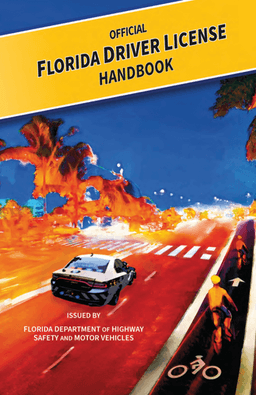
No matter if you're in Jacksonville, Fort Lauderdale, Cape Coral, Tallahassee, Hialeah, St. Petersburg, or Port St. Lucie, the questions come from the same Florida Driver Handbook and the same DHSMV standards. That's the part you can control. Read slowly.
See more
Getting ready for the florida permit test can feel like a lot when you're balancing school, work, practice, and everything else. It's a lot. Totally normal. The good news: the Florida DHSMV knowledge exam is very learnable once you know the patterns and you practice the way you'll actually be tested. You can pass.
Florida roads have their own vibe, too. Miami traffic circles, Orlando toll lanes, Tampa lane shifts, random downpours that turn the road shiny in seconds. Same rules. Different pressure.
No matter if you're in Jacksonville, Fort Lauderdale, Cape Coral, Tallahassee, Hialeah, St. Petersburg, or Port St. Lucie, the questions come from the same Florida Driver Handbook and the same DHSMV standards. That's the part you can control. Read slowly.
What to Expect on the Florida Permit Test
The official test is offered through the Florida Department of Highway Safety & Motor Vehicles (DHSMV) or an approved provider. It's multiple choice, straight from the handbook, and it's not trying to trick you... but the wording can absolutely bait you into picking the "almost right" answer. Two answers look right. That's where people slip.
Here's the basic setup you should walk in knowing:
- 50 questions total
- 80% needed to pass (40 correct)
- Topics include traffic laws, safe driving, and road signs
This one trips people up.
Most misses happen when someone skims and reads what they expect the question to say. One word matters. Watch for "must" vs "may," and sneaky words like "except," "unless," and "minimum."
You'll see everyday rules that matter in real life, like Florida's headlight requirement in rain (if your wipers are on, your headlights should be on), what to do at a four-way stop, and how to handle school buses. No guessing.
Florida also leans into safety laws that people half-remember. The Move Over law is a big example, and it expanded in 2024. You're expected to move over a lane when you can, or slow down, when approaching stopped emergency vehicles, tow trucks, utility and sanitation vehicles, road maintenance, and even certain disabled vehicles displaying hazards or warning devices. "Must" means must.
And yes, signs are a big deal. Know the signs. A lot of sign questions are basically free points-if you've drilled them enough that you don't hesitate.
How This Florida Permit Test Online Helps You Prepare
Reading the handbook matters, but practice is where the information actually sticks. Different skill. A solid florida permit test online practice run teaches you how DHSMV phrases questions, which is half the battle when you're tired or nervous and time pressure makes you misread something small.
This practice experience is meant to feel like the real exam:
- Multiple-choice questions written in the same style and difficulty
- Instant results so you can fix mistakes before they harden into habits
- Clear explanations so you learn the "why," not just the letter choice
This one trips people up.
Repeat attempts help more than people think. Do it again. Repetition builds calm, and calm makes you slow down long enough to notice the difference between "legal" and "safe," or between what you can do and what you should do.
Even if your daily driving world is different-Orlando's toll roads, Fort Lauderdale's multi-lane traffic, Jacksonville bridges with wind and rain-the test is still built on statewide rules. That's why practicing scenarios (merging, right-of-way, lane changes, following distance) works no matter where you live.
Keep sessions short, too. Ten minutes. Then stop. You learn more that way than grinding for an hour and zoning out halfway through.
Tips to Pass the Florida DMV Permit Test
The fastest way to pass the Florida DMV permit test is to study what they actually test, then practice until you're consistently accurate-even when you're not in the mood. Rain changes everything. So does fatigue.
A simple plan works:
- Read the Florida Driver Handbook with focus on rules, numbers, and "always/never" language
- Take practice tests often, and review every wrong answer immediately
- Drill road signs until you can answer without pausing
This one trips people up.
Watch for Florida-specific details that show up a lot. The left-lane rule is real: on multi-lane roads, you can't sit in the left lane and block faster traffic. Even if you're at the speed limit. Move right when safe.
Also be ready for pedestrian and bicycle questions. Florida has high crash rates, especially near beach areas and busy downtown corridors, so the handbook puts attention on right-of-way, safe passing, and what "due care" actually looks like.
Storm driving is another repeat topic. Sudden downpours in Tampa or Orlando can drop visibility fast and increase stopping distance. Know when to slow down, increase following distance, and use headlights. And hazard lights? Florida allows them while moving only in extreme low-visibility situations on high-speed roads-not as a general "I'm going slow" signal. Don't overuse them.
Last thing. Breathe. Then reread the question before you answer. It's boring advice, but it's how you catch the tiny words that change everything.
See more
What to Expect on the Florida Permit Test
The official test is offered through the Florida Department of Highway Safety & Motor Vehicles (DHSMV) or an approved provider. It's multiple choice, straight from the handbook, and it's not trying to trick you... but the wording can absolutely bait you into picking the "almost right" answer. Two answers look right. That's where people slip.
Here's the basic setup you should walk in knowing:
- 50 questions total
- 80% needed to pass (40 correct)
- Topics include traffic laws, safe driving, and road signs This one trips people up.
Most misses happen when someone skims and reads what they expect the question to say. One word matters. Watch for "must" vs "may," and sneaky words like "except," "unless," and "minimum."
You'll see everyday rules that matter in real life, like Florida's headlight requirement in rain (if your wipers are on, your headlights should be on), what to do at a four-way stop, and how to handle school buses. No guessing.
Florida also leans into safety laws that people half-remember. The Move Over law is a big example, and it expanded in 2024. You're expected to move over a lane when you can, or slow down, when approaching stopped emergency vehicles, tow trucks, utility and sanitation vehicles, road maintenance, and even certain disabled vehicles displaying hazards or warning devices. "Must" means must.
And yes, signs are a big deal. Know the signs. A lot of sign questions are basically free points-if you've drilled them enough that you don't hesitate.
How This Florida Permit Test Online Helps You Prepare
Reading the handbook matters, but practice is where the information actually sticks. Different skill. A solid florida permit test online practice run teaches you how DHSMV phrases questions, which is half the battle when you're tired or nervous and time pressure makes you misread something small.
This practice experience is meant to feel like the real exam:
- Multiple-choice questions written in the same style and difficulty
- Instant results so you can fix mistakes before they harden into habits
- Clear explanations so you learn the "why," not just the letter choice This one trips people up.
Repeat attempts help more than people think. Do it again. Repetition builds calm, and calm makes you slow down long enough to notice the difference between "legal" and "safe," or between what you can do and what you should do.
Even if your daily driving world is different-Orlando's toll roads, Fort Lauderdale's multi-lane traffic, Jacksonville bridges with wind and rain-the test is still built on statewide rules. That's why practicing scenarios (merging, right-of-way, lane changes, following distance) works no matter where you live.
Keep sessions short, too. Ten minutes. Then stop. You learn more that way than grinding for an hour and zoning out halfway through.
Tips to Pass the Florida DMV Permit Test
The fastest way to pass the Florida DMV permit test is to study what they actually test, then practice until you're consistently accurate-even when you're not in the mood. Rain changes everything. So does fatigue.
A simple plan works:
- Read the Florida Driver Handbook with focus on rules, numbers, and "always/never" language
- Take practice tests often, and review every wrong answer immediately
- Drill road signs until you can answer without pausing This one trips people up.
Watch for Florida-specific details that show up a lot. The left-lane rule is real: on multi-lane roads, you can't sit in the left lane and block faster traffic. Even if you're at the speed limit. Move right when safe.
Also be ready for pedestrian and bicycle questions. Florida has high crash rates, especially near beach areas and busy downtown corridors, so the handbook puts attention on right-of-way, safe passing, and what "due care" actually looks like.
Storm driving is another repeat topic. Sudden downpours in Tampa or Orlando can drop visibility fast and increase stopping distance. Know when to slow down, increase following distance, and use headlights. And hazard lights? Florida allows them while moving only in extreme low-visibility situations on high-speed roads-not as a general "I'm going slow" signal. Don't overuse them.
Last thing. Breathe. Then reread the question before you answer. It's boring advice, but it's how you catch the tiny words that change everything.