TexasPractice Driving Tests Texas
Practice matters. A lot.
If you're getting ready for your license in Texas, a practice driving test Texas routine is one of the fastest ways to feel calm on exam day. Not perfect. Just ready. Whether you're in Houston traffic on I-10, learning the loops around San Antonio, or dealing with Dallas interchanges that seem to stack on top of each other, the test is still testing the same thing: can you drive safely and follow the rules.
You'll also want to understand the texas driving test requirements before you schedule anything. That's where many people lose time. Missing documents. Wrong appointment type. A form that needs a signature. It happens.
And Texas driving is its own world. High speeds, big frontage roads, quick merges, and drivers who expect you to keep moving. Austin's I-35 congestion can test your patience. Fort Worth feels calmer, until trucks roll in. El Paso and Lubbock bring more open-road driving, where speed control and scanning matter more than you think. Even in Arlington, Plano, or Corpus Christi, the basics stay the same.
You can do this. Seriously.
See more
Practice matters. A lot.
If you're getting ready for your license in Texas, a practice driving test Texas routine is one of the fastest ways to feel calm on exam day. Not perfect. Just ready. Whether you're in Houston traffic on I-10, learning the loops around San Antonio, or dealing with Dallas interchanges that seem to stack on top of each other, the test is still testing the same thing: can you drive safely and follow the rules.
You'll also want to understand the texas driving test requirements before you schedule anything. That's where many people lose time. Missing documents. Wrong appointment type. A form that needs a signature. It happens.
And Texas driving is its own world. High speeds, big frontage roads, quick merges, and drivers who expect you to keep moving. Austin's I-35 congestion can test your patience. Fort Worth feels calmer, until trucks roll in. El Paso and Lubbock bring more open-road driving, where speed control and scanning matter more than you think. Even in Arlington, Plano, or Corpus Christi, the basics stay the same.
You can do this. Seriously.
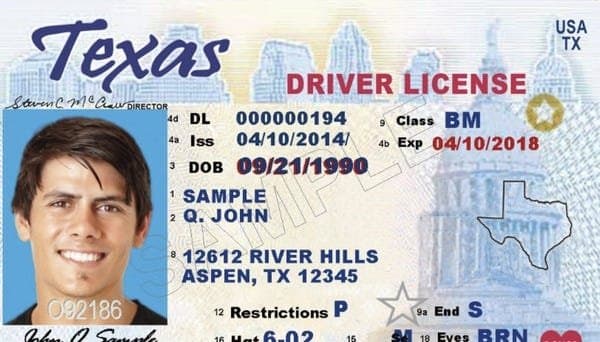
Texas Driving Test Requirements
Texas testing is handled through the Texas Department of Motor Vehicles first in name recognition, but your driver licensing and exams are run through DPS. Still, people often search using TxDMV, so it helps to know what each agency does. For your test, focus on DPS rules and appointments, and use TxDMV resources when you're dealing with vehicle and title topics.
Start with eligibility. Age matters. So does your permit time. If you're under 18, you'll typically need to complete driver education and hold your learner license for the required period before you can take the road test.
Bring the right documents. Don't wing it.
- Proof of identity and lawful presence, plus Social Security number or proof of ineligibility
- Proof of Texas residency, usually two documents with your name and address
- Driver education completion and impact course certificate if required for your age group
This one trips people up.
Your vehicle has to be compliant too. Even though Texas removed the annual safety inspection requirement in 2025 in most places, the car you test in still needs to be safe and legal. Working lights. Working signals. A windshield without major cracks that block your view. Current registration and insurance. The examiner will notice.
Know the local add-ons. Some counties still require emissions testing, especially around big metro areas. Houston and Dallas-Fort Worth often have extra emissions rules depending on the county. That's not the driving test itself, but it can affect whether your vehicle paperwork is in order.
Read the wording. Carefully.
What the Driving Test Includes
Texas has two main parts: the knowledge test and the road test. You may take them at different times depending on your situation. The written portion checks if you understand signs, right-of-way, safe following distance, and the rules that show up in real life on Texas roads.
Expect tricky questions. Sometimes two answers look right. That's on purpose. One word changes everything, like "may" versus "must," and time pressure makes you misread.
The road test is about control and judgment. Not flair. You'll be graded on things like lane position, speed choice, scanning, and whether you follow instructions safely.
Typical skills they look for include:
- Smooth starts and stops, proper turns, and staying in your lane
- Safe lane changes with mirror checks and a clear head check
- Following signs and right-of-way rules at intersections and stop signs
This one trips people up.
Texas-specific driving habits can show up during your test drive too. The left lane law matters on many highways, even if you think you're already going fast. Move over when being overtaken. Also, Texas is strict about "Move Over or Slow Down" when you pass stopped emergency vehicles. If you see flashing lights, you either change lanes away or reduce speed significantly. Examiners love safety awareness.
Frontage roads are common, especially around Houston, Dallas, and Austin. If you've never used them, practice. The entrance and exit patterns can feel backward at first.
Stay calm.
How Practice Tests Help You Pass
Practice tests do something your notes can't. They train your brain to recognize patterns fast. That matters when you're nervous and the question is worded in a way that makes you second-guess yourself.
A good practice driving test Texas plan helps you in three big ways. First, repetition builds recall. You stop guessing and start knowing. Second, it builds confidence. You walk in expecting the format. Third, it shows you your weak spots, so you don't waste time reviewing what you already understand.
Focus on the topics that show up again and again:
- Right-of-way at four-way stops and uncontrolled intersections
- Speed management, especially in changing zones and school areas
- Signs and markings, including lane arrows and no-turn rules
This one trips people up.
Mix your practice with real driving in your area. If you're in San Antonio, get comfortable with multi-lane turns and tourist-heavy downtown driving. In Austin, practice staying patient in slow traffic without drifting or creeping into crosswalks. In Dallas, practice defensive driving around fast lane changes. In Corpus Christi, watch for weather shifts and slick roads. In Plano and Arlington, practice clean residential stops and school zone awareness.
Small wins count. One test at a time. Keep practicing until you can explain why an answer is right, not just that it is.
Then go pass it.
See more
Texas Driving Test Requirements
Texas testing is handled through the Texas Department of Motor Vehicles first in name recognition, but your driver licensing and exams are run through DPS. Still, people often search using TxDMV, so it helps to know what each agency does. For your test, focus on DPS rules and appointments, and use TxDMV resources when you're dealing with vehicle and title topics.
Start with eligibility. Age matters. So does your permit time. If you're under 18, you'll typically need to complete driver education and hold your learner license for the required period before you can take the road test.
Bring the right documents. Don't wing it.
- Proof of identity and lawful presence, plus Social Security number or proof of ineligibility
- Proof of Texas residency, usually two documents with your name and address
- Driver education completion and impact course certificate if required for your age group This one trips people up.
Your vehicle has to be compliant too. Even though Texas removed the annual safety inspection requirement in 2025 in most places, the car you test in still needs to be safe and legal. Working lights. Working signals. A windshield without major cracks that block your view. Current registration and insurance. The examiner will notice.
Know the local add-ons. Some counties still require emissions testing, especially around big metro areas. Houston and Dallas-Fort Worth often have extra emissions rules depending on the county. That's not the driving test itself, but it can affect whether your vehicle paperwork is in order.
Read the wording. Carefully.
What the Driving Test Includes
Texas has two main parts: the knowledge test and the road test. You may take them at different times depending on your situation. The written portion checks if you understand signs, right-of-way, safe following distance, and the rules that show up in real life on Texas roads.
Expect tricky questions. Sometimes two answers look right. That's on purpose. One word changes everything, like "may" versus "must," and time pressure makes you misread.
The road test is about control and judgment. Not flair. You'll be graded on things like lane position, speed choice, scanning, and whether you follow instructions safely.
Typical skills they look for include:
- Smooth starts and stops, proper turns, and staying in your lane
- Safe lane changes with mirror checks and a clear head check
- Following signs and right-of-way rules at intersections and stop signs This one trips people up.
Texas-specific driving habits can show up during your test drive too. The left lane law matters on many highways, even if you think you're already going fast. Move over when being overtaken. Also, Texas is strict about "Move Over or Slow Down" when you pass stopped emergency vehicles. If you see flashing lights, you either change lanes away or reduce speed significantly. Examiners love safety awareness.
Frontage roads are common, especially around Houston, Dallas, and Austin. If you've never used them, practice. The entrance and exit patterns can feel backward at first.
Stay calm.
How Practice Tests Help You Pass
Practice tests do something your notes can't. They train your brain to recognize patterns fast. That matters when you're nervous and the question is worded in a way that makes you second-guess yourself.
A good practice driving test Texas plan helps you in three big ways. First, repetition builds recall. You stop guessing and start knowing. Second, it builds confidence. You walk in expecting the format. Third, it shows you your weak spots, so you don't waste time reviewing what you already understand.
Focus on the topics that show up again and again:
- Right-of-way at four-way stops and uncontrolled intersections
- Speed management, especially in changing zones and school areas
- Signs and markings, including lane arrows and no-turn rules This one trips people up.
Mix your practice with real driving in your area. If you're in San Antonio, get comfortable with multi-lane turns and tourist-heavy downtown driving. In Austin, practice staying patient in slow traffic without drifting or creeping into crosswalks. In Dallas, practice defensive driving around fast lane changes. In Corpus Christi, watch for weather shifts and slick roads. In Plano and Arlington, practice clean residential stops and school zone awareness.
Small wins count. One test at a time. Keep practicing until you can explain why an answer is right, not just that it is.
Then go pass it.