TexasTX Motorcycle Permit Practice Test
Getting a motorcycle permit in Texas feels like a big move. It is. Texas traffic doesn't ease you into anything, whether you're riding near Houston freeways, Dallas interchanges, Austin construction zones, or the fast stretches outside San Antonio. Speed limits run high, merges get aggressive, and frontage roads can turn into a quick decision test. You need more than good luck. Practice.
A solid texas motorcycle permit prep routine helps because the written exam isn't hard so much as it's picky. Under time pressure, two answers look right, and you end up missing the one word that matters. One word. This TX Motorcycle Permit Practice Test is meant to get you used to the wording, the rhythm, and the "gotcha" phrasing so you walk in calm and ready.
Slow down.
You'll also notice Texas questions like to sound practical, not academic. They're testing whether you can keep yourself alive when a driver drifts into your lane in Fort Worth, or when you're sharing space with big trucks near Arlington, Plano, or Corpus Christi. That's the point. Reps.
See more
Getting a motorcycle permit in Texas feels like a big move. It is. Texas traffic doesn't ease you into anything, whether you're riding near Houston freeways, Dallas interchanges, Austin construction zones, or the fast stretches outside San Antonio. Speed limits run high, merges get aggressive, and frontage roads can turn into a quick decision test. You need more than good luck. Practice.
A solid texas motorcycle permit prep routine helps because the written exam isn't hard so much as it's picky. Under time pressure, two answers look right, and you end up missing the one word that matters. One word. This TX Motorcycle Permit Practice Test is meant to get you used to the wording, the rhythm, and the "gotcha" phrasing so you walk in calm and ready.
Slow down.
You'll also notice Texas questions like to sound practical, not academic. They're testing whether you can keep yourself alive when a driver drifts into your lane in Fort Worth, or when you're sharing space with big trucks near Arlington, Plano, or Corpus Christi. That's the point. Reps.
How to Get a Motorcycle Permit in Texas
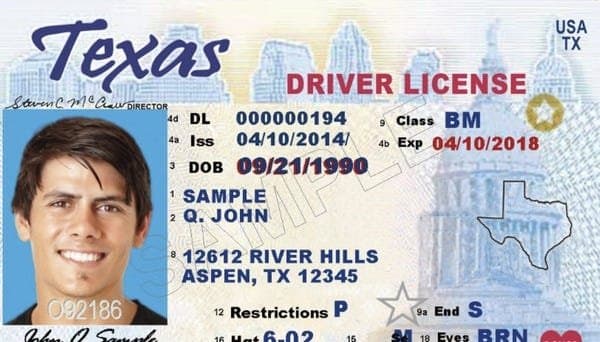
In Texas, you'll go through the state licensing process (most people just say "the DMV," even though agencies and names get mixed up). The goal is simple: prove who you are, meet the basic requirements, and pass the motorcycle knowledge exam so you can ride under permit rules before getting the full license.
Bring your documents. Show up in person. Expect the clerk to be strict about it.
Most riders follow a path like this:
- Apply, verify identity, and pay the fee
- Pass the motorcycle written/knowledge test
- Follow permit restrictions until you qualify for the full Class M license
This one trips people up.
If you're under 18, plan on extra steps like parent/legal guardian requirements and, often, rider education. Adults still have to meet vision standards and provide acceptable proof of identity and lawful presence. Nothing complicated, just exact.
Very exact.
Where you live changes your riding reality, but not the expectation. In Houston and Dallas, traffic density makes right-of-way decisions and lane positioning feel urgent. In Lubbock, long straight roads can lull you into speeding or zoning out. In El Paso, wide open roads and wind can change how stable the bike feels. The permit process doesn't care about bravado. It cares about judgment.
Read slowly.
Watch for wording like "may" vs "must." That tiny difference can flip an answer, and it's easy to misread when you're trying to finish quickly. If you want a motorcycle permit Texas riders can actually use with confidence, treat the permit stage like training time, not the finish line.
What the Motorcycle Test Covers
The Texas motorcycle knowledge test hits fundamentals first, then stacks real-world safety and legal rules on top. It's about controlling the bike, yes, but it's also about spotting trouble early and choosing the least-bad option when traffic gets chaotic.
Expect plenty of questions on basics like starting, stopping, turning, and low-speed control. Then you'll see safety topics-visibility, lane placement, and space cushion-because those are what keep riders from getting boxed in.
Common areas include:
- Protective gear, visibility, and being seen
- Lane position, following distance, and scanning for hazards
- Texas traffic laws that apply specifically to motorcycles
This one trips people up.
Texas roads "move." Fast. Many drivers treat the left lane like a passing lane (and they're not wrong), and some get impatient if you hang there. The safe play is often simple: let faster traffic pass and keep your escape routes open. Move right.
Intersections matter.
A lot of motorcycle crashes happen at intersections, and the test knows it. You'll get questions about right-of-way, judging gaps, and what to do when someone turns left in front of you because they "didn't see you." It happens. You're expected to plan for it.
You'll also see questions about emergency vehicles and roadside stops. Texas takes "Move Over or Slow Down" seriously. If there are flashing lights on the shoulder, you're expected to change lanes away if it's safe, or slow down significantly when you can't. People sometimes answer with a vague "be careful," and that's not what the test wants.
Be specific.
Scenario-style questions can pull from common conditions across the state: gusty wind on open stretches near Corpus Christi, heavy commuting traffic around Plano and Arlington, and those quick-on/off frontage road decisions you see around Austin and San Antonio. The exam isn't trying to trick you into being fearless. It's trying to see if you'll choose smart.
Why Practice Tests Are Important
Practice tests do more than help you "know" the rules. They train your brain to handle the way Texas writes questions, which is half the battle. The other half is staying calm enough to read every line.
Nerves are real.
When you take a texas motorcycle permit practice set, you're drilling three things at once: knowledge, speed, and focus. The real exam rewards careful reading. It punishes rushing. And it's frustrating how often a missed question comes down to one word you skimmed because you felt the clock.
One word.
Practice tests also show you patterns. If you keep missing questions about following distance, lane positioning, or alcohol-related rules, that's your sign to go back and tighten up those sections before test day. Better now than after you fail and have to reschedule.
A simple method works:
- Take a full practice run and review every miss
- Retake after a break to see what actually stuck
- Swap in new question sets so you don't memorize the order
This one trips people up.
The goal isn't just passing. It's earning your Texas motorcycle permit and feeling prepared for real riding-Houston merges, Dallas lane changes, Fort Worth commuter traffic, and Austin's constant detours. Passing is great. Staying safe is the point.
Keep practicing.
See more
How to Get a Motorcycle Permit in Texas
In Texas, you'll go through the state licensing process (most people just say "the DMV," even though agencies and names get mixed up). The goal is simple: prove who you are, meet the basic requirements, and pass the motorcycle knowledge exam so you can ride under permit rules before getting the full license.
Bring your documents. Show up in person. Expect the clerk to be strict about it.
Most riders follow a path like this:
- Apply, verify identity, and pay the fee
- Pass the motorcycle written/knowledge test
- Follow permit restrictions until you qualify for the full Class M license
This one trips people up.
If you're under 18, plan on extra steps like parent/legal guardian requirements and, often, rider education. Adults still have to meet vision standards and provide acceptable proof of identity and lawful presence. Nothing complicated, just exact.
Very exact.
Where you live changes your riding reality, but not the expectation. In Houston and Dallas, traffic density makes right-of-way decisions and lane positioning feel urgent. In Lubbock, long straight roads can lull you into speeding or zoning out. In El Paso, wide open roads and wind can change how stable the bike feels. The permit process doesn't care about bravado. It cares about judgment.
Read slowly.
Watch for wording like "may" vs "must." That tiny difference can flip an answer, and it's easy to misread when you're trying to finish quickly. If you want a motorcycle permit Texas riders can actually use with confidence, treat the permit stage like training time, not the finish line.
What the Motorcycle Test Covers
The Texas motorcycle knowledge test hits fundamentals first, then stacks real-world safety and legal rules on top. It's about controlling the bike, yes, but it's also about spotting trouble early and choosing the least-bad option when traffic gets chaotic.
Expect plenty of questions on basics like starting, stopping, turning, and low-speed control. Then you'll see safety topics-visibility, lane placement, and space cushion-because those are what keep riders from getting boxed in.
Common areas include:
- Protective gear, visibility, and being seen
- Lane position, following distance, and scanning for hazards
- Texas traffic laws that apply specifically to motorcycles
This one trips people up.
Texas roads "move." Fast. Many drivers treat the left lane like a passing lane (and they're not wrong), and some get impatient if you hang there. The safe play is often simple: let faster traffic pass and keep your escape routes open. Move right.
Intersections matter.
A lot of motorcycle crashes happen at intersections, and the test knows it. You'll get questions about right-of-way, judging gaps, and what to do when someone turns left in front of you because they "didn't see you." It happens. You're expected to plan for it.
You'll also see questions about emergency vehicles and roadside stops. Texas takes "Move Over or Slow Down" seriously. If there are flashing lights on the shoulder, you're expected to change lanes away if it's safe, or slow down significantly when you can't. People sometimes answer with a vague "be careful," and that's not what the test wants.
Be specific.
Scenario-style questions can pull from common conditions across the state: gusty wind on open stretches near Corpus Christi, heavy commuting traffic around Plano and Arlington, and those quick-on/off frontage road decisions you see around Austin and San Antonio. The exam isn't trying to trick you into being fearless. It's trying to see if you'll choose smart.
Why Practice Tests Are Important
Practice tests do more than help you "know" the rules. They train your brain to handle the way Texas writes questions, which is half the battle. The other half is staying calm enough to read every line.
Nerves are real.
When you take a texas motorcycle permit practice set, you're drilling three things at once: knowledge, speed, and focus. The real exam rewards careful reading. It punishes rushing. And it's frustrating how often a missed question comes down to one word you skimmed because you felt the clock.
One word.
Practice tests also show you patterns. If you keep missing questions about following distance, lane positioning, or alcohol-related rules, that's your sign to go back and tighten up those sections before test day. Better now than after you fail and have to reschedule.
A simple method works:
- Take a full practice run and review every miss
- Retake after a break to see what actually stuck
- Swap in new question sets so you don't memorize the order
This one trips people up.
The goal isn't just passing. It's earning your Texas motorcycle permit and feeling prepared for real riding-Houston merges, Dallas lane changes, Fort Worth commuter traffic, and Austin's constant detours. Passing is great. Staying safe is the point.
Keep practicing.