TexasCDL Permit Test Texas Practice
Getting ready for the Texas CDL permit exam can feel like a lot, especially if you're juggling work, family, and long commutes. Totally normal. The good news is that a solid CDL permit test Texas practice routine makes the real thing much less stressful. You'll see the patterns, learn the wording, and stop second guessing yourself.
Texas roads are their own world. Fast highways, busy interchanges, and plenty of construction. If you're in Houston, Dallas, Austin, San Antonio, or Fort Worth, you already know how quickly traffic can change. Even in places like El Paso, Arlington, Corpus Christi, Plano, or Lubbock, you'll deal with high speeds, trucks, and long stretches where focus matters.
You've got this. Really.
This page is built to help you prepare for the official exam through the Texas Department of Motor Vehicles, also known as the TxDMV. Practice first. Pass sooner.
See more
Getting ready for the Texas CDL permit exam can feel like a lot, especially if you're juggling work, family, and long commutes. Totally normal. The good news is that a solid CDL permit test Texas practice routine makes the real thing much less stressful. You'll see the patterns, learn the wording, and stop second guessing yourself.
Texas roads are their own world. Fast highways, busy interchanges, and plenty of construction. If you're in Houston, Dallas, Austin, San Antonio, or Fort Worth, you already know how quickly traffic can change. Even in places like El Paso, Arlington, Corpus Christi, Plano, or Lubbock, you'll deal with high speeds, trucks, and long stretches where focus matters.
You've got this. Really.
This page is built to help you prepare for the official exam through the Texas Department of Motor Vehicles, also known as the TxDMV. Practice first. Pass sooner.
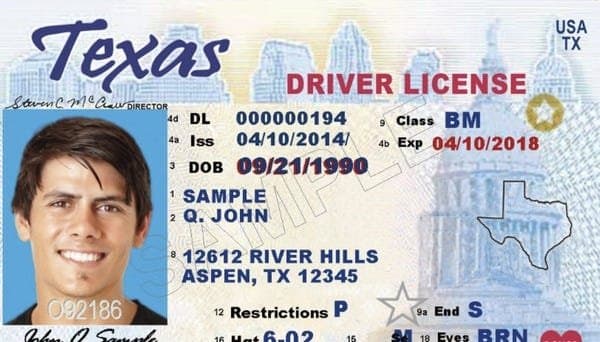
CDL Permit Requirements in Texas
Before you take your knowledge test, you'll want to make sure you qualify for a Commercial Learner Permit (CLP) in Texas. Simple steps. But details matter.
In general, you must be eligible to drive in Texas and meet identity and residency requirements. You'll also need to pass vision screening and complete the required application process through the TxDMV. Some applicants also need medical certification, depending on the type of driving they plan to do.
CDL classes are based on the vehicle you plan to operate:
- Class A is typically for combination vehicles, like a tractor and trailer.
- Class B is for single heavy vehicles, like many dump trucks or large buses.
- Class C is for certain smaller commercial vehicles, often tied to passengers or hazardous materials.
This one trips people up.
Age matters too. If you plan to drive across state lines, federal rules can affect the minimum age and what you're allowed to do with a permit. And if you're adding endorsements later, plan ahead. Some endorsements have extra requirements and extra testing.
Also, remember Texas is big. Very big. A permit in Dallas might lead to a job route that runs down toward Austin and San Antonio, or out toward Houston ports, or across open stretches near Lubbock. Your CDL permit is the first step toward that.
What the CDL Permit Test Includes
The CDL permit knowledge exam is designed to check that you understand the rules that keep commercial driving safe. It's not just about memorizing. It's about judgment.
Expect a written or computer based test with multiple choice questions. You'll answer questions on core topics like:
- General knowledge and safe operating rules
- Air brakes, if your vehicle requires it
- Combination vehicles, if you're going for Class A
This one trips people up.
Endorsements add more sections. For example, passenger, school bus, tanker, doubles or triples, and hazmat each come with their own knowledge test. If you only study the general section, you may walk in unprepared for the extra modules you selected.
One tiny real-life detail: on some questions, two answers look right. That's on purpose. Watch for words like "may" versus "must," and don't let time pressure make you misread the last line.
Texas driving culture can show up in the logic of the questions too. High speeds. Heavy traffic. Long stopping distances. If you've ever crawled on I-35 in Austin or tried to merge in Houston, you already understand why space management and hazard awareness are tested so heavily.
And yes, you'll see safety focused rules that apply everywhere, even if your local roads feel familiar. Read carefully. Short questions can be sneaky.
Why Practice Tests Improve Pass Rates
Practice tests work because they train your brain the way the real exam demands. Not just knowledge, but recall under pressure. That's why using a CDL permit practice test Texas drivers can rely on is such a smart move.
You start noticing repeat topics. You learn how the test "talks." And you get faster without rushing.
Here's what consistent practice does for most people:
- Builds confidence by making the format feel familiar
- Exposes weak spots early, before test day
- Helps you remember details through repetition
This one trips people up.
It also helps you avoid the classic mistake: studying what you already know because it feels good. Practice questions force you to face the sections you keep missing, like braking distance, inspection steps, or load securement rules.
Try this: take a full set, review every wrong answer, then retake a new set the next day. Short sessions. Steady progress. If you're commuting around Dallas-Fort Worth, running deliveries in San Antonio, or working shifts near the Port of Houston, even 15 minutes a day adds up.
Keep going. One more set. Then another.
See more
CDL Permit Requirements in Texas
Before you take your knowledge test, you'll want to make sure you qualify for a Commercial Learner Permit (CLP) in Texas. Simple steps. But details matter.
In general, you must be eligible to drive in Texas and meet identity and residency requirements. You'll also need to pass vision screening and complete the required application process through the TxDMV. Some applicants also need medical certification, depending on the type of driving they plan to do.
CDL classes are based on the vehicle you plan to operate:
- Class A is typically for combination vehicles, like a tractor and trailer.
- Class B is for single heavy vehicles, like many dump trucks or large buses.
- Class C is for certain smaller commercial vehicles, often tied to passengers or hazardous materials.
This one trips people up.
Age matters too. If you plan to drive across state lines, federal rules can affect the minimum age and what you're allowed to do with a permit. And if you're adding endorsements later, plan ahead. Some endorsements have extra requirements and extra testing.
Also, remember Texas is big. Very big. A permit in Dallas might lead to a job route that runs down toward Austin and San Antonio, or out toward Houston ports, or across open stretches near Lubbock. Your CDL permit is the first step toward that.
What the CDL Permit Test Includes
The CDL permit knowledge exam is designed to check that you understand the rules that keep commercial driving safe. It's not just about memorizing. It's about judgment.
Expect a written or computer based test with multiple choice questions. You'll answer questions on core topics like:
- General knowledge and safe operating rules
- Air brakes, if your vehicle requires it
- Combination vehicles, if you're going for Class A
This one trips people up.
Endorsements add more sections. For example, passenger, school bus, tanker, doubles or triples, and hazmat each come with their own knowledge test. If you only study the general section, you may walk in unprepared for the extra modules you selected.
One tiny real-life detail: on some questions, two answers look right. That's on purpose. Watch for words like "may" versus "must," and don't let time pressure make you misread the last line.
Texas driving culture can show up in the logic of the questions too. High speeds. Heavy traffic. Long stopping distances. If you've ever crawled on I-35 in Austin or tried to merge in Houston, you already understand why space management and hazard awareness are tested so heavily.
And yes, you'll see safety focused rules that apply everywhere, even if your local roads feel familiar. Read carefully. Short questions can be sneaky.
Why Practice Tests Improve Pass Rates
Practice tests work because they train your brain the way the real exam demands. Not just knowledge, but recall under pressure. That's why using a CDL permit practice test Texas drivers can rely on is such a smart move.
You start noticing repeat topics. You learn how the test "talks." And you get faster without rushing.
Here's what consistent practice does for most people:
- Builds confidence by making the format feel familiar
- Exposes weak spots early, before test day
- Helps you remember details through repetition
This one trips people up.
It also helps you avoid the classic mistake: studying what you already know because it feels good. Practice questions force you to face the sections you keep missing, like braking distance, inspection steps, or load securement rules.
Try this: take a full set, review every wrong answer, then retake a new set the next day. Short sessions. Steady progress. If you're commuting around Dallas-Fort Worth, running deliveries in San Antonio, or working shifts near the Port of Houston, even 15 minutes a day adds up.
Keep going. One more set. Then another.