Merge Sign (Right): Meaning, Shape, and DMV Test Tips
You see the yellow diamond up ahead and your brain has about one second to react. That's all the time you get on a fast freeway ramp. The merge sign is one of those warnings that feels obvious after you know it, but during a permit test, under time pressure, it can suddenly look a lot like an added lane sign. That's the trap.
What Does the Merge Sign Mean?
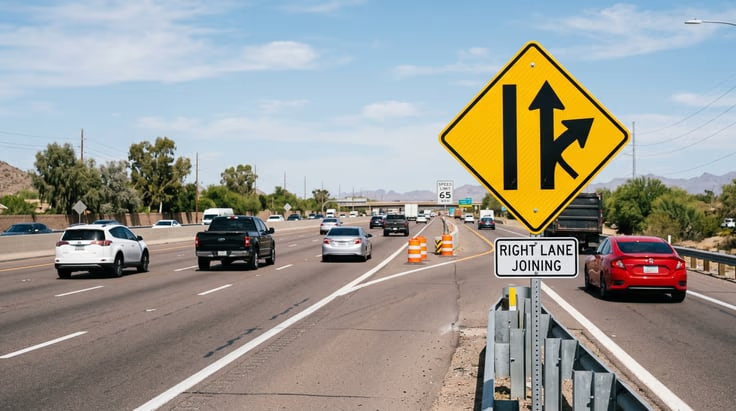
Another lane joins yours from the right. That's the core of it. Two roads are coming together and the traffic from both must blend into one stream. Neither road ends abruptly, but you do have to adjust speed and spacing. The DMV wants you to understand that you cooperate with entering traffic. You don't just assume you have priority because you're already in the main lane.
The merge sign meaning is really about shared responsibility. If you're on the main road, you should make room when it's safe. If you're the one merging, you match the flow and find your gap. No one has automatic absolute priority. That wording matters.
What the Merge Sign Looks Like
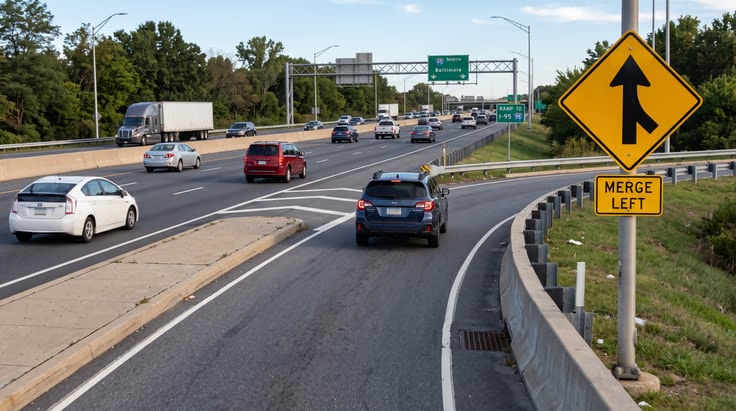
It's a yellow diamond with a black symbol. You'll see a thick main lane on the left and a thinner lane angling in from the right. The two lines join into one arrow pointing straight ahead. The arrow direction shows traffic entering from the right, so you know exactly where to look.
A merging traffic sign like this is usually posted a few hundred feet before the actual merge point. On a highway, that gives you just enough time to check your mirror and adjust. Not a lot of time. Just enough.
How to Handle a Merge Safely
Start by checking mirrors and blind spots early. Don't wait until the last second. Match the speed of traffic you are joining. If you're going too slow, you create a rolling roadblock. If you're too fast, you run out of room.
Adjust your gap to let vehicles blend in. Sometimes that means easing off the gas for two seconds. Sometimes it means changing lanes if one is open. Avoid stopping in the merge unless forced. A full stop on an active ramp is dangerous and usually unnecessary.
This one trips people up.
Merge Sign vs Added Lane Sign
This is the comparison the DMV loves to test. A merge sign means two roads blend and you must adjust. An added lane sign means a new lane is created and no merge is needed. Merge requires cooperation. Added lane does not.
Two answers look right on the written test. One shows a lane appearing next to you. The other shows a lane joining into yours. If you glance too quickly, you'll miss the difference. The merge right warning sign always has that angled line cutting into the main path.
Where the Merge Sign Is Used
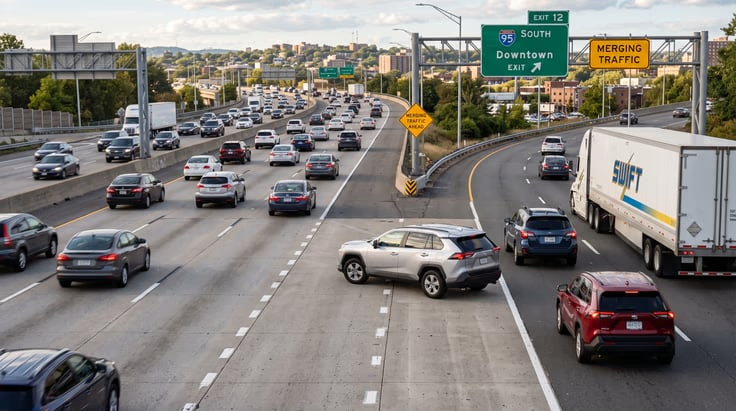
You'll see it on freeway on-ramps joining main lanes. Also at places where two roads combine, like a county route feeding into a state highway. Entrances where a lane feeds into traffic often have the sign posted before the acceleration lane ends. Higher-speed roads need advance notice because drivers need time to react.
In bigger metro areas, you might see it constantly during rush hour. One merge after another. Drivers who treat it as a zipper, alternating one from each lane, keep things moving. Drivers who race to the end and force their way in cause the backup.
DMV Test Tips for the Merge Sign
The cue is simple: two lines joining into one from the right. That means blend with traffic and adjust your speed. Merging drivers should not force their way in. The main lane driver should not block them out of pride.
The mistake to avoid is confusing a merge with an added lane. May versus must also shows up in the wording. A question might say you "must" stop to let merging traffic in. That's false. You should yield when necessary, but you don't have an absolute duty to stop if there's no safe gap.
Merge Sign FAQ
What does a merge sign mean? It means another lane joins yours from the right and both streams must blend into one.
Who has the right of way at a merge? Neither driver has automatic priority. Both should adjust speed and position to merge safely.
Is a merge sign the same as an added lane sign? No. A merge means two roads blend. An added lane creates a new lane with no merging required.
What should you do when you see a merging traffic sign? Check mirrors and blind spots, match the speed of traffic, and adjust your gap to let vehicles in.
Where are merge signs usually placed? On freeway on-ramps, where two roads combine, and at entrances where a lane feeds into faster traffic.
Can you stop at a merge? Avoid stopping unless forced by traffic or an obstruction. Stopping on an active ramp can cause a rear-end collision.
Why does the DMV test ask about merge signs? Because new drivers often confuse them with added lane signs and don't understand the cooperation required.
One last thing. When you see that yellow diamond on the real road, don't stare at it. Glance, understand, then look where the merging car actually is. The sign won't hit you. The car in your blind spot will.
Share