AlabamaPermit Practice Test: Prepare for the AL DMV Exam
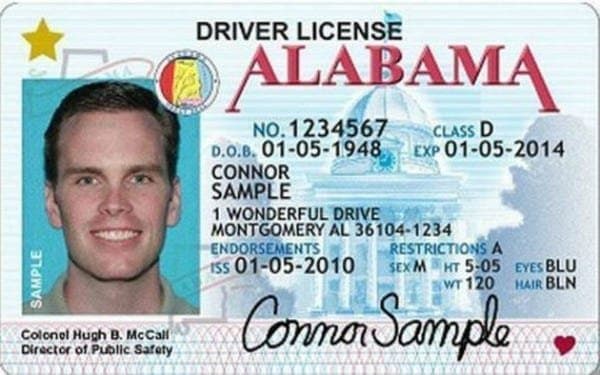
So, you're thinking about getting your Alabama driver's license. Maybe you're in Huntsville, counting down the days until you can drive yourself to campus. Or you're over in Mobile, tired of asking for rides to the Causeway. Wherever you are, that little piece of plastic means freedom. But first, you have to get past the test.
And honestly? It trips people up more than you'd think.
The Alabama permit test isn't just a box to check. It's built to see if you really understand what driving in this state is like. We aren't just dealing with city blocks here. We have long stretches of rural highway, sudden thunderstorms that cut visibility to nothing, and football Saturdays that turn Tuscaloosa into a parking lot. The MVD, or Motor Vehicle Division under the Alabama Department of Revenue, designs the test around these realities. That's why a solid Alabama permit practice test routine matters so much. You need to see how the questions are framed before you walk in there.
See more
So, you're thinking about getting your Alabama driver's license. Maybe you're in Huntsville, counting down the days until you can drive yourself to campus. Or you're over in Mobile, tired of asking for rides to the Causeway. Wherever you are, that little piece of plastic means freedom. But first, you have to get past the test.
And honestly? It trips people up more than you'd think.
The Alabama permit test isn't just a box to check. It's built to see if you really understand what driving in this state is like. We aren't just dealing with city blocks here. We have long stretches of rural highway, sudden thunderstorms that cut visibility to nothing, and football Saturdays that turn Tuscaloosa into a parking lot. The MVD, or Motor Vehicle Division under the Alabama Department of Revenue, designs the test around these realities. That's why a solid Alabama permit practice test routine matters so much. You need to see how the questions are framed before you walk in there.
How the Alabama Permit Test Is Structured
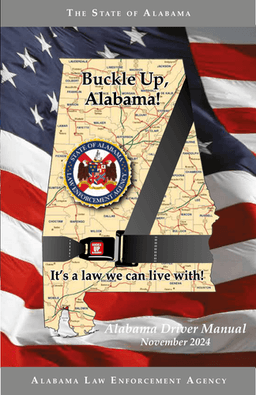
The written test pulls directly from the Alabama Driver Manual. Every single question. If it isn't in the manual, it won't be on the screen. The topics seem straightforward: road rules, signs, safe driving practices, and vehicle laws. But the way they ask things is what gets you.
Alabama doesn't focus much on dense metro scenarios like a New York test might. We don't have a statewide vehicle inspection, so you won't see questions about emissions stickers. You will, however, see plenty about handling two-lane rural roads. Think about driving outside Dothan or Decatur. You're behind a logging truck, the sun is setting, and a deer jumps out.
The test expects you to know that scenario cold.
They also lean into specific local laws. For instance, you need to know that Alabama finally started enforcing a hands-free law in 2024. Holding your phone is a no-go now. And you better know the "keep right except to pass" rule, because troopers on I-65 absolutely will pull you over for cruising in the left lane. Questions about giving cyclists at least three feet of space show up frequently too. It's a mix of common sense and very specific numbers. Two answers look right, and that's where the trouble starts.
An Alabama DMV permit practice test that drills these distinctions can make the difference between a confident nod and a failed slip of paper. You start to spot the traps. You learn that when a question feels obvious, the second-best answer might be the one the MVD actually wants.
What Makes the Alabama DMV Test Different
If you've looked at tests from other states, you might notice a shift in tone here. Alabama places a heavier thumb on defensive driving. It's not enough to know what a stop sign means. You have to know how to react when someone else blows through it.
The test assumes you'll be driving fast. Speed limits on rural interstates hit 70 mph. That changes your stopping distance math. A lot of questions focus on space cushions. How many seconds behind a car should you be? What about in rain? What about when a guy in Birmingham's "Malfunction Junction" cuts you off? The MVD wants you to prove you can manage speed and space.
Weather is another huge piece. We get tropical systems down in Mobile that flood the Bayway. We get ice on bridges in Huntsville and Madison during those rare winter snaps. The test doesn't just ask "what is hydroplaning?" It asks what you do when your steering suddenly feels light. It's practical. It's immediate. And it's why reading the manual once usually isn't enough. You have to apply it. That's where an Alabama permit test practice session turns abstract rules into reflex.
Most Common Mistakes on the Alabama Permit Test
I see people walk out of the testing center shaking their heads over the same few things. Right-of-way is the big one. Not just at four-way stops, but at uncontrolled intersections out in the country. Who yields? If you hesitate, you miss it.
Then there's speed management. The test loves to ask about "basic speed law." That doesn't mean the posted limit. It means driving safely for current conditions. If it's foggy on the I-10 Bayway and you're doing 55 in a 55 zone, you're still legally wrong. That nuance kills scores.
Road sign recognition seems easy until you're under time pressure. They show you a yellow pentagon. You've seen it a thousand times. But suddenly your brain says "school crossing" instead of "school zone." Or you mix up the "no passing" pennant with a "do not enter" sign. The shapes matter.
Highway merging and passing rules are another trap. The "Anti-Road Rage" law restricting left-lane camping is tested heavily. You must know when to move over, not just for cops and tow trucks, but for utility vehicles with flashing lights too.
- Mixing up yield signs with stop sign rules when nobody else is around.
- Forgetting that on an undivided highway, you must stop for a school bus from both directions.
- Missing the three-foot passing rule for bikes because the question adds a parked car into the scene.
This one trips people up.
Time pressure makes you misread a "may" as a "must." Suddenly you're agreeing to something you'd never do behind the wheel. And the wording on those road-sign questions often feels designed to rush you.
Most Important Topics to Study for the AL DMV Test
Don't try to memorize the whole manual cover to cover. You'll burn out. Focus on the high-yield stuff. Road signs are non-negotiable. Know every shape and color. A red triangle means yield. A rectangle means regulation. A diamond means warning. Get those locked in.
Lane positioning is next. Where do you turn when there are multiple turn lanes? How do you handle the "Texas U-turns" on Memorial Parkway in Huntsville? The test might not name those specifically, but the logic of frontage roads and quick merges is in there.
Speed limits. Absolute limits, presumed limits, and basic speed law. Know the difference. Know that rural interstates cap at 70, but urban segments like I-65 through downtown Birmingham drop fast. You have to adjust.
Defensive driving concepts tie it all together. The SIPDE process. The two-second rule. How to scan intersections. Alabama includes more highway driving questions than a lot of states. You need to think like you're on US-280 at 5 PM on a Friday. Signal-heavy, stop-and-go, and frustrating. The test wants you to stay calm and safe in that mess.
How Alabama Driving Conditions Affect the Test
The environment shapes the exam. It really does. When you're driving from Auburn to Montgomery on I-85, you're dealing with high speeds and sudden slowdowns near the I-65 interchange. The test reflects that. Questions about scanning ahead and anticipating brake lights are direct nods to those bottleneck zones.
Think about the rural two-lanes. Outside of places like Tuscaloosa or Opelika, you're sharing the road with farm equipment and school buses. The law on stopping for a school bus is strict. On an undivided road, everyone stops. On a divided highway, only your side stops. That distinction is a classic test question. They'll show a picture of a divided road and expect you to know you can keep moving if the bus is on the other side.
Wildlife hazards pop up too. Especially deer in north and central Alabama. The manual talks about not swerving. Hit the brakes, stay straight. The test asks what to do. Swerving to miss a deer and hitting a tree is considered your fault. That's a tough pill to swallow, but it's the safe-driving answer they want.
And Mobile. Oh, Mobile. The George Wallace Tunnel restricts hazardous materials. Trucks have to use the Cochrane-Africatown Bridge. If you get a question about tunnel restrictions, it's likely pulled straight from that real-world rule. Knowing your local geography helps the rules stick. A good alabama permit practice test will throw a tunnel scenario at you without warning, just like the real exam.
Alabama Permit Test FAQs
How many questions are on the Alabama permit test?
You'll face a set pulled from a much larger pool. Third-party testing centers sometimes have slight variations, but the standard MVD exam covers the entire manual. Expect a thorough sampling. No single chapter gets a free pass.
What score do you need to pass the Alabama DMV test?
You need a solid passing grade. It's not generous. Missing just a handful can send you home empty-handed. Aim for perfection in an alabama permit test practice round, so real nerves don't bump you below the line.
What topics appear most often on the Alabama permit exam?
Road signs and right-of-way rule the roost. After that, speed limits-especially the distinction between the posted number and what's safe for the moment. Left-lane loitering laws, defensive highway driving, and administrative stuff like texting penalties all show up. Don't ignore the fines and seat-belt rules. They count.
Is the Alabama permit test difficult?
Fair, but not easy. If you've spent years in the passenger seat on I-565 or winding through downtown Birmingham, your instincts will help. But the test words things carefully. Two answers will seem fine. You have to pick the safest move, not just the legally correct one. That subtle gap makes it tough.
What mistakes cause most failures on the Alabama permit test?
Rushing. Always rushing. You'll misread a "may" as a "must," or spot a "wrong way" sign and somehow see "do not enter." The three-foot bike buffer vanishes from your memory. T-intersection yield rules get flipped. Little details. They pile up fast. Slow down, read every word, and trust the hours you put into your alabama dmv permit practice test. You already know the material. Now prove it.
See more
How the Alabama Permit Test Is Structured
The written test pulls directly from the Alabama Driver Manual. Every single question. If it isn't in the manual, it won't be on the screen. The topics seem straightforward: road rules, signs, safe driving practices, and vehicle laws. But the way they ask things is what gets you.
Alabama doesn't focus much on dense metro scenarios like a New York test might. We don't have a statewide vehicle inspection, so you won't see questions about emissions stickers. You will, however, see plenty about handling two-lane rural roads. Think about driving outside Dothan or Decatur. You're behind a logging truck, the sun is setting, and a deer jumps out.
The test expects you to know that scenario cold.
They also lean into specific local laws. For instance, you need to know that Alabama finally started enforcing a hands-free law in 2024. Holding your phone is a no-go now. And you better know the "keep right except to pass" rule, because troopers on I-65 absolutely will pull you over for cruising in the left lane. Questions about giving cyclists at least three feet of space show up frequently too. It's a mix of common sense and very specific numbers. Two answers look right, and that's where the trouble starts.
An Alabama DMV permit practice test that drills these distinctions can make the difference between a confident nod and a failed slip of paper. You start to spot the traps. You learn that when a question feels obvious, the second-best answer might be the one the MVD actually wants.
What Makes the Alabama DMV Test Different
If you've looked at tests from other states, you might notice a shift in tone here. Alabama places a heavier thumb on defensive driving. It's not enough to know what a stop sign means. You have to know how to react when someone else blows through it.
The test assumes you'll be driving fast. Speed limits on rural interstates hit 70 mph. That changes your stopping distance math. A lot of questions focus on space cushions. How many seconds behind a car should you be? What about in rain? What about when a guy in Birmingham's "Malfunction Junction" cuts you off? The MVD wants you to prove you can manage speed and space.
Weather is another huge piece. We get tropical systems down in Mobile that flood the Bayway. We get ice on bridges in Huntsville and Madison during those rare winter snaps. The test doesn't just ask "what is hydroplaning?" It asks what you do when your steering suddenly feels light. It's practical. It's immediate. And it's why reading the manual once usually isn't enough. You have to apply it. That's where an Alabama permit test practice session turns abstract rules into reflex.
Most Common Mistakes on the Alabama Permit Test
I see people walk out of the testing center shaking their heads over the same few things. Right-of-way is the big one. Not just at four-way stops, but at uncontrolled intersections out in the country. Who yields? If you hesitate, you miss it.
Then there's speed management. The test loves to ask about "basic speed law." That doesn't mean the posted limit. It means driving safely for current conditions. If it's foggy on the I-10 Bayway and you're doing 55 in a 55 zone, you're still legally wrong. That nuance kills scores.
Road sign recognition seems easy until you're under time pressure. They show you a yellow pentagon. You've seen it a thousand times. But suddenly your brain says "school crossing" instead of "school zone." Or you mix up the "no passing" pennant with a "do not enter" sign. The shapes matter.
Highway merging and passing rules are another trap. The "Anti-Road Rage" law restricting left-lane camping is tested heavily. You must know when to move over, not just for cops and tow trucks, but for utility vehicles with flashing lights too.
- Mixing up yield signs with stop sign rules when nobody else is around.
- Forgetting that on an undivided highway, you must stop for a school bus from both directions.
- Missing the three-foot passing rule for bikes because the question adds a parked car into the scene.
This one trips people up.
Time pressure makes you misread a "may" as a "must." Suddenly you're agreeing to something you'd never do behind the wheel. And the wording on those road-sign questions often feels designed to rush you.
Most Important Topics to Study for the AL DMV Test
Don't try to memorize the whole manual cover to cover. You'll burn out. Focus on the high-yield stuff. Road signs are non-negotiable. Know every shape and color. A red triangle means yield. A rectangle means regulation. A diamond means warning. Get those locked in.
Lane positioning is next. Where do you turn when there are multiple turn lanes? How do you handle the "Texas U-turns" on Memorial Parkway in Huntsville? The test might not name those specifically, but the logic of frontage roads and quick merges is in there.
Speed limits. Absolute limits, presumed limits, and basic speed law. Know the difference. Know that rural interstates cap at 70, but urban segments like I-65 through downtown Birmingham drop fast. You have to adjust.
Defensive driving concepts tie it all together. The SIPDE process. The two-second rule. How to scan intersections. Alabama includes more highway driving questions than a lot of states. You need to think like you're on US-280 at 5 PM on a Friday. Signal-heavy, stop-and-go, and frustrating. The test wants you to stay calm and safe in that mess.
How Alabama Driving Conditions Affect the Test
The environment shapes the exam. It really does. When you're driving from Auburn to Montgomery on I-85, you're dealing with high speeds and sudden slowdowns near the I-65 interchange. The test reflects that. Questions about scanning ahead and anticipating brake lights are direct nods to those bottleneck zones.
Think about the rural two-lanes. Outside of places like Tuscaloosa or Opelika, you're sharing the road with farm equipment and school buses. The law on stopping for a school bus is strict. On an undivided road, everyone stops. On a divided highway, only your side stops. That distinction is a classic test question. They'll show a picture of a divided road and expect you to know you can keep moving if the bus is on the other side.
Wildlife hazards pop up too. Especially deer in north and central Alabama. The manual talks about not swerving. Hit the brakes, stay straight. The test asks what to do. Swerving to miss a deer and hitting a tree is considered your fault. That's a tough pill to swallow, but it's the safe-driving answer they want.
And Mobile. Oh, Mobile. The George Wallace Tunnel restricts hazardous materials. Trucks have to use the Cochrane-Africatown Bridge. If you get a question about tunnel restrictions, it's likely pulled straight from that real-world rule. Knowing your local geography helps the rules stick. A good alabama permit practice test will throw a tunnel scenario at you without warning, just like the real exam.
Alabama Permit Test FAQs
How many questions are on the Alabama permit test? You'll face a set pulled from a much larger pool. Third-party testing centers sometimes have slight variations, but the standard MVD exam covers the entire manual. Expect a thorough sampling. No single chapter gets a free pass.
What score do you need to pass the Alabama DMV test? You need a solid passing grade. It's not generous. Missing just a handful can send you home empty-handed. Aim for perfection in an alabama permit test practice round, so real nerves don't bump you below the line.
What topics appear most often on the Alabama permit exam? Road signs and right-of-way rule the roost. After that, speed limits-especially the distinction between the posted number and what's safe for the moment. Left-lane loitering laws, defensive highway driving, and administrative stuff like texting penalties all show up. Don't ignore the fines and seat-belt rules. They count.
Is the Alabama permit test difficult? Fair, but not easy. If you've spent years in the passenger seat on I-565 or winding through downtown Birmingham, your instincts will help. But the test words things carefully. Two answers will seem fine. You have to pick the safest move, not just the legally correct one. That subtle gap makes it tough.
What mistakes cause most failures on the Alabama permit test? Rushing. Always rushing. You'll misread a "may" as a "must," or spot a "wrong way" sign and somehow see "do not enter." The three-foot bike buffer vanishes from your memory. T-intersection yield rules get flipped. Little details. They pile up fast. Slow down, read every word, and trust the hours you put into your alabama dmv permit practice test. You already know the material. Now prove it.