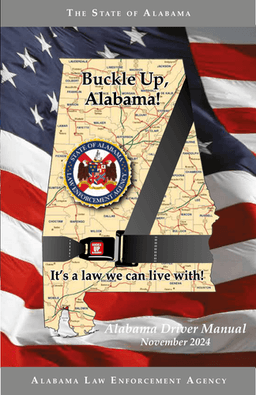
Alabama Driving Test Practice: Essential Road Rules
Most Important Road Rules in Alabama
They want you to think. That's the thing about the MVD test. It's not a sign-recognition quiz. You'll get a scenario. A four-way stop in Montgomery. Two cars. Who rolls first? You can't just memorize a definition. You have to know the logic. My buddy from Madison learned that the hard way. He could recite the handbook backward, but the "what do you do next" questions crushed him. He didn't do enough real Alabama driving test practice.
Speed comes up constantly. And I'm not just talking about the number on a white sign. The basic speed law is a beast on the test. Imagine fog rolling over the Mobile Bayway, or a summer downpour swallowing I-20 near Tuscaloosa. The posted limit means nothing then. You drive for the conditions. Game day in Auburn? You'll crawl. The test mirrors that. It wants you to know that 45 doesn't mean 45 when visibility is trash. It's a ceiling for perfect weather.
Then there's the Move Over law. It's huge. You see flashing lights on the shoulder? You move over a lane. Can't move? Fine. Then you slow way down. Not just coast. Slow down. It applies to cops, tow trucks, utility crews. The test will check that. And don't forget the left lane. Seriously. The Anti-Road Rage law is real. You can get a ticket for camping in the left lane on I-65. If you're not passing someone, stay right. That's it. Cruise in the left lane during an Alabama driving test and you'll fail. Hard.
Simple things wreck people. Right on red? Yes. Full stop first. Rolling stops are wrong. Always. School zones flash yellow? Proceed with caution. That's not a stop sign. Time pressure makes you misread these on the written exam. You see yellow and panic. Don't. Flashing yellow means yield to people, but you keep moving if it's clear. Flashing red means stop. That's a classic mix-up.
See more
Most Important Road Rules in Alabama
They want you to think. That's the thing about the MVD test. It's not a sign-recognition quiz. You'll get a scenario. A four-way stop in Montgomery. Two cars. Who rolls first? You can't just memorize a definition. You have to know the logic. My buddy from Madison learned that the hard way. He could recite the handbook backward, but the "what do you do next" questions crushed him. He didn't do enough real Alabama driving test practice.
Speed comes up constantly. And I'm not just talking about the number on a white sign. The basic speed law is a beast on the test. Imagine fog rolling over the Mobile Bayway, or a summer downpour swallowing I-20 near Tuscaloosa. The posted limit means nothing then. You drive for the conditions. Game day in Auburn? You'll crawl. The test mirrors that. It wants you to know that 45 doesn't mean 45 when visibility is trash. It's a ceiling for perfect weather.
Then there's the Move Over law. It's huge. You see flashing lights on the shoulder? You move over a lane. Can't move? Fine. Then you slow way down. Not just coast. Slow down. It applies to cops, tow trucks, utility crews. The test will check that. And don't forget the left lane. Seriously. The Anti-Road Rage law is real. You can get a ticket for camping in the left lane on I-65. If you're not passing someone, stay right. That's it. Cruise in the left lane during an Alabama driving test and you'll fail. Hard.
Simple things wreck people. Right on red? Yes. Full stop first. Rolling stops are wrong. Always. School zones flash yellow? Proceed with caution. That's not a stop sign. Time pressure makes you misread these on the written exam. You see yellow and panic. Don't. Flashing yellow means yield to people, but you keep moving if it's clear. Flashing red means stop. That's a classic mix-up.
Alabama2 minEasy8 questions

Tests Verified by Daniel Gonzalez
Experienced teacher & Instructional Designer
"These practice tests are built from the DMV handbook to help you actually learn the rules and pass the driving test with confidence"
Right-of-Way Rules You Must Know
Right-of-way questions feel like a setup. You want to be polite, wave someone through. The test punishes polite. It rewards predictable. Predictability stops fender benders in downtown Birmingham. These scenarios come up over and over.
- Uncontrolled intersection: You both arrive at the same moment. The driver on the left yields to the driver on the right.
- Left turns: You yield to any oncoming traffic that's close enough to be a hazard. Not just the cars you see. The ones coming.
- Emergency vehicles: Pull to the right edge immediately and stop. Don't freeze in the middle of the road. Stop.
This one trips people up. Funeral processions have the right of way here. If they're led by a marked vehicle, they can go through red lights. You don't cut in. It's respect, but it's also law. Pedestrians? They own the crosswalk. Painted or not. If someone's in the intersection, you stop. Period. Cyclists get three feet of clearance. Three feet. Not a suggestion. So on a narrow two-lane in rural Pike County, you wait until it's truly safe to pass. Even if that means crawling behind them for a quarter mile. It tests your patience and your knowledge of the law.
How Alabama Road Rules Differ from Other States
We don't do vehicle inspections. No emissions test in Mobile. No tint check in Huntsville. That shifts the whole test focus to your actual driving behavior. We also only require a rear license plate on most cars. Minor detail, but it changes how DPS identifies you. The real difference? Wildlife. The practice driving test Alabama style nods to deer. In the woods north of Tuscaloosa, hitting a deer is a real threat at dusk. The test doesn't want you to swerve. Swerving kills. Brake hard, hold the steering straight, lay on the horn. That's what they look for.
Then there's the Mobile tunnel. George Wallace Tunnel bans hazardous materials. Trucks must detour over the Africatown Bridge. Local geography dictates the law. Sudden storms are another quirk. Hydroplaning on I-10 when the rain hammers down is a classic Alabama scenario. You don't brake. Ease off the gas. Steer straight. Wait for the tires to grip. The test will ask about that.
Most Common Road Rule Mistakes in Alabama
Two answers look right. That's the trap. They'll give you "slow down" and "yield." Similar? Yes. Same? No. Yielding means you might have to stop. Slowing down just means you reduced speed. The test exploits that precision. School bus rules? Another landmine. On a divided highway with a median, you only stop if you're traveling the same direction as the bus. On a two-lane road, everyone stops. Always. No exceptions. People forget the driveway exception with solid yellow lines. You can cross a solid yellow to turn left into a driveway. You cannot cross it to pass. That's the nuance.
Passing on the right trips folks up. It's generally illegal. But if the car ahead is turning left and there's room, you can pass on the shoulder? No. Seriously. You can pass on the right only on multi-lane roads or when the vehicle ahead is turning left from a single lane. Not on the shoulder. And flashing yellow versus flashing red? A flashing yellow means caution. A flashing red means stop. Rushing makes you pick the wrong one. Don't rush. The alabama driving test practice questions will hammer that.
Best Way to Study Alabama Road Rules
Don't just read. Quiz. Visualize intersections near your house in Dothan. Ask "who goes first?" The handbook is a reference, not a novel. The real study happens when you drive. When you're on Research Park Boulevard, talk through it. Left-lane law? You're passing, then you move right. Following distance? Three seconds in the dry. Double it in rain. Triple it in fog on the Causeway. Count it out loud. The test loves that rule.
Speed limits drop fast when you hit a small town. A US highway goes from 65 to 45 to 35 in a blink. The test anticipates that transition. "May" vs "must" language matters. "May" is permission. "Must" is the strictest rule. When you see "must," pick the most rigid answer. Mix up your tools. Apps, videos, old-fashioned pop quizzes from a friend. The best practice driving test Alabama offers is the one you create every time you're in the passenger seat, scanning the road and asking what the law says. That beats flashcards every time.
Alabama Road Rules FAQs
What road rules are most important on the Alabama DMV test?
Right of way. Safe passing. The basic speed law. They're everywhere. Four-way stops, emergency vehicles, the Move Over law. Know that you must change lanes or seriously slow down for any flashing lights on the shoulder. School bus stops? Absolute must. Divided highway stops versus two-lane stops is a guaranteed question. Don't skip that.
Does Alabama test highway driving laws?
Yes. Hard. The test throws open-road scenarios at you because our state is full of rural interstates. Left-lane cruising is illegal. You can't just hang out there. Entering a highway? Match the speed of traffic, not the slow creep of the on-ramp. And a tire blowout at 70 mph? Hold the wheel steady. Ease off the gas. No slamming brakes. They want cold, calm control.
What right-of-way rules should drivers know in Alabama?
Pedestrians rule crosswalks. Marked, unmarked, doesn't matter. They go first. Cyclists are vehicles. You give them three feet and the full lane if it's unsafe to squeeze past. Left turns yield to straight traffic. Four-way stop ties mean you yield to the right. And funeral processions? They have the right of way. Even through a red light if they have an escort. Don't cut through.
What mistakes do drivers make most often on Alabama road rule questions?
Confusing "yield" with "slow down." They are not synonyms. Yield means stop if needed. Combine that with passing rules: you can't pass on the right on a two-lane road unless the car ahead is turning left. And the flashing signal errors. Yellow means caution, not stop. People panic on the test. They rush. Don't. Two answers look right and one word flips the meaning. Read it twice.
How should I study for Alabama road rules?
Use an alabama driving test practice that explains the wrong answers, not just the right ones. Drive with someone who quizzes you on real roads. On US-280, talk about when to stop for a school bus. When you see a yellow light, say out loud what you'd do. The "may vs must" wording? Drill those. "May" is an option. "Must" is the law with no wiggle room. Read the handbook once, then chase scenario questions until your brain hurts. That's how you pass.
See more
Right-of-Way Rules You Must Know
Right-of-way questions feel like a setup. You want to be polite, wave someone through. The test punishes polite. It rewards predictable. Predictability stops fender benders in downtown Birmingham. These scenarios come up over and over.
- Uncontrolled intersection: You both arrive at the same moment. The driver on the left yields to the driver on the right.
- Left turns: You yield to any oncoming traffic that's close enough to be a hazard. Not just the cars you see. The ones coming.
- Emergency vehicles: Pull to the right edge immediately and stop. Don't freeze in the middle of the road. Stop.
This one trips people up. Funeral processions have the right of way here. If they're led by a marked vehicle, they can go through red lights. You don't cut in. It's respect, but it's also law. Pedestrians? They own the crosswalk. Painted or not. If someone's in the intersection, you stop. Period. Cyclists get three feet of clearance. Three feet. Not a suggestion. So on a narrow two-lane in rural Pike County, you wait until it's truly safe to pass. Even if that means crawling behind them for a quarter mile. It tests your patience and your knowledge of the law.
How Alabama Road Rules Differ from Other States
We don't do vehicle inspections. No emissions test in Mobile. No tint check in Huntsville. That shifts the whole test focus to your actual driving behavior. We also only require a rear license plate on most cars. Minor detail, but it changes how DPS identifies you. The real difference? Wildlife. The practice driving test Alabama style nods to deer. In the woods north of Tuscaloosa, hitting a deer is a real threat at dusk. The test doesn't want you to swerve. Swerving kills. Brake hard, hold the steering straight, lay on the horn. That's what they look for.
Then there's the Mobile tunnel. George Wallace Tunnel bans hazardous materials. Trucks must detour over the Africatown Bridge. Local geography dictates the law. Sudden storms are another quirk. Hydroplaning on I-10 when the rain hammers down is a classic Alabama scenario. You don't brake. Ease off the gas. Steer straight. Wait for the tires to grip. The test will ask about that.
Most Common Road Rule Mistakes in Alabama
Two answers look right. That's the trap. They'll give you "slow down" and "yield." Similar? Yes. Same? No. Yielding means you might have to stop. Slowing down just means you reduced speed. The test exploits that precision. School bus rules? Another landmine. On a divided highway with a median, you only stop if you're traveling the same direction as the bus. On a two-lane road, everyone stops. Always. No exceptions. People forget the driveway exception with solid yellow lines. You can cross a solid yellow to turn left into a driveway. You cannot cross it to pass. That's the nuance.
Passing on the right trips folks up. It's generally illegal. But if the car ahead is turning left and there's room, you can pass on the shoulder? No. Seriously. You can pass on the right only on multi-lane roads or when the vehicle ahead is turning left from a single lane. Not on the shoulder. And flashing yellow versus flashing red? A flashing yellow means caution. A flashing red means stop. Rushing makes you pick the wrong one. Don't rush. The alabama driving test practice questions will hammer that.
Best Way to Study Alabama Road Rules
Don't just read. Quiz. Visualize intersections near your house in Dothan. Ask "who goes first?" The handbook is a reference, not a novel. The real study happens when you drive. When you're on Research Park Boulevard, talk through it. Left-lane law? You're passing, then you move right. Following distance? Three seconds in the dry. Double it in rain. Triple it in fog on the Causeway. Count it out loud. The test loves that rule.
Speed limits drop fast when you hit a small town. A US highway goes from 65 to 45 to 35 in a blink. The test anticipates that transition. "May" vs "must" language matters. "May" is permission. "Must" is the strictest rule. When you see "must," pick the most rigid answer. Mix up your tools. Apps, videos, old-fashioned pop quizzes from a friend. The best practice driving test Alabama offers is the one you create every time you're in the passenger seat, scanning the road and asking what the law says. That beats flashcards every time.
Alabama Road Rules FAQs
What road rules are most important on the Alabama DMV test? Right of way. Safe passing. The basic speed law. They're everywhere. Four-way stops, emergency vehicles, the Move Over law. Know that you must change lanes or seriously slow down for any flashing lights on the shoulder. School bus stops? Absolute must. Divided highway stops versus two-lane stops is a guaranteed question. Don't skip that.
Does Alabama test highway driving laws? Yes. Hard. The test throws open-road scenarios at you because our state is full of rural interstates. Left-lane cruising is illegal. You can't just hang out there. Entering a highway? Match the speed of traffic, not the slow creep of the on-ramp. And a tire blowout at 70 mph? Hold the wheel steady. Ease off the gas. No slamming brakes. They want cold, calm control.
What right-of-way rules should drivers know in Alabama? Pedestrians rule crosswalks. Marked, unmarked, doesn't matter. They go first. Cyclists are vehicles. You give them three feet and the full lane if it's unsafe to squeeze past. Left turns yield to straight traffic. Four-way stop ties mean you yield to the right. And funeral processions? They have the right of way. Even through a red light if they have an escort. Don't cut through.
What mistakes do drivers make most often on Alabama road rule questions? Confusing "yield" with "slow down." They are not synonyms. Yield means stop if needed. Combine that with passing rules: you can't pass on the right on a two-lane road unless the car ahead is turning left. And the flashing signal errors. Yellow means caution, not stop. People panic on the test. They rush. Don't. Two answers look right and one word flips the meaning. Read it twice.
How should I study for Alabama road rules? Use an alabama driving test practice that explains the wrong answers, not just the right ones. Drive with someone who quizzes you on real roads. On US-280, talk about when to stop for a school bus. When you see a yellow light, say out loud what you'd do. The "may vs must" wording? Drill those. "May" is an option. "Must" is the law with no wiggle room. Read the handbook once, then chase scenario questions until your brain hurts. That's how you pass.
25000
practice tests completed by Alabama learners this month