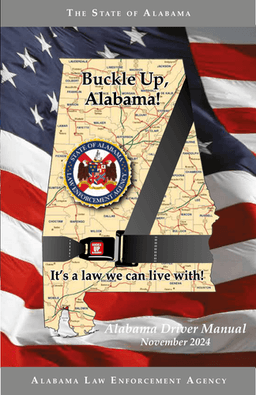
Alabama Driving Permit Practice Test: Hazard Situations
Alabama Driving Permit Practice Test: Hazard Situations Explained
So you're grinding through an alabama driving permit practice test and something feels off. The hazard questions. They don't play fair. They're not just quizzing you on sign shapes or how many feet before a turn. They want to know if you'll freeze when a thunderstorm swallows I-65 near Mobile, or if you'll yank the wheel when a logging truck swings wide outside Dothan. The Motor Vehicle Division builds these scenarios to echo what actually happens here. Real roads. Real panic. Real consequences. This isn't abstract. It's about keeping you alive through Birmingham's Malfunction Junction or creeping across the Bayway when the sky turns black.
Most Common Driving Hazards in Alabama
You might think the hard part of your driver permit test alabama is parallel parking. It's not. The true test is reading danger before it blooms into a disaster. In Huntsville, Research Park Boulevard mixes engineers speeding toward Redstone with minivans headed to Madison. Speed shifts in a heartbeat. Between Montgomery and Auburn, the two-lanes hide farm equipment crawling along, and deer that materialize at dusk. You don't just memorize this. You feel it.
Heavy rain. It's constant. It doesn't just make things slick. It hides potholes, smears lane markings, and floods low spots on the Causeway fast. On I-20 near Tuscaloosa, high-speed packs form and brake lights can chain-react into chaos. Rural roads at night? No streetlights. Your headlights only reach so far. A stalled car or a downed limb is just there in the dark. The permit test often gives you a scenario where two answers look right. One says slow down gradually, the other says brake firmly. Your gut screams stop hard. But on wet roads, that's exactly the wrong move. Time pressure makes you misread. The test wants you to prove you get it-gentle inputs keep your tires glued.
See more
Alabama Driving Permit Practice Test: Hazard Situations Explained
So you're grinding through an alabama driving permit practice test and something feels off. The hazard questions. They don't play fair. They're not just quizzing you on sign shapes or how many feet before a turn. They want to know if you'll freeze when a thunderstorm swallows I-65 near Mobile, or if you'll yank the wheel when a logging truck swings wide outside Dothan. The Motor Vehicle Division builds these scenarios to echo what actually happens here. Real roads. Real panic. Real consequences. This isn't abstract. It's about keeping you alive through Birmingham's Malfunction Junction or creeping across the Bayway when the sky turns black.
Most Common Driving Hazards in Alabama
You might think the hard part of your driver permit test alabama is parallel parking. It's not. The true test is reading danger before it blooms into a disaster. In Huntsville, Research Park Boulevard mixes engineers speeding toward Redstone with minivans headed to Madison. Speed shifts in a heartbeat. Between Montgomery and Auburn, the two-lanes hide farm equipment crawling along, and deer that materialize at dusk. You don't just memorize this. You feel it.
Heavy rain. It's constant. It doesn't just make things slick. It hides potholes, smears lane markings, and floods low spots on the Causeway fast. On I-20 near Tuscaloosa, high-speed packs form and brake lights can chain-react into chaos. Rural roads at night? No streetlights. Your headlights only reach so far. A stalled car or a downed limb is just there in the dark. The permit test often gives you a scenario where two answers look right. One says slow down gradually, the other says brake firmly. Your gut screams stop hard. But on wet roads, that's exactly the wrong move. Time pressure makes you misread. The test wants you to prove you get it-gentle inputs keep your tires glued.
Alabama8 minEasy30 questions

Tests Verified by Daniel Gonzalez
Experienced teacher & Instructional Designer
"These practice tests are built from the DMV handbook to help you actually learn the rules and pass the driving test with confidence"
How Weather Conditions Affect Driving Safety
Alabama weather doesn't suggest. It hits. Clear sky in Hoover, then a wall of rain on US-280 so heavy your wipers can't keep up. The MVD stuffs more weather-related hazard questions into the exam than a lot of states. It makes sense. We catch tropical storms on the Gulf Coast and ice storms in Decatur that turn bridges into skating rinks overnight.
Rain is the star. Wet roads double your stopping distance. But that's just a number until you're coming down I-565 into downtown Huntsville and traffic ahead suddenly clots. You left the normal dry-weather gap? You're already too close. Hydroplaning is real at highway speeds, and the driving permit test alabama will ask what to do. Never slam the brakes. Never jerk the wheel. Ease off the gas. Steer steady. Your brain wants to "stop" the skid. Don't fall for it.
Fog is a sneaky villain. Mobile gets dense coastal fog that rolls in fast-especially near the George Wallace Tunnel. High beams in that soup? They blind you. The exam wants low beams or fog lights. Ice, even that invisible black ice on northern Alabama overpasses, means you treat every pedal and wheel like there's an egg under your shoe. No sudden moves. The test might describe black ice and expect you to keep the wheel straight and coast over it. Calm. That's the point.
Most Common Hazard Situation Mistakes
We all mess up. But some mistakes in a hazard situation put you in a ditch or worse. The MVD sees patterns.
- Reacting too late when a car merges onto I-459 without looking
- Slamming brakes on a wet curve near Tuscaloosa
- Swerving into another lane without checking your blind spot
This one trips people up. The test rewards patience, awareness, not hero moves.
Braking too aggressively feels natural. Something scary appears, you stomp. But in a curve, that hard brake can send your rear sliding. The exam wants smooth, controlled braking. It also wants you to know your car can't stop on a dime, especially loaded with coolers and kids heading to Gulf Shores on a summer weekend. Underestimating stopping distance in wet weather-that's the big fail. Wet leaves in an Auburn neighborhood can be as slick as ice. A question might show a car ahead suddenly stopping. The wrong answer involves a quick swerve without looking. Swerving often causes a worse crash than braking straight.
How Alabama Hazard Questions Differ from Other States
If you've peeked at practice stuff from other states, you might think it's all the same. It's not. Alabama leans hard into highway speed and rural driving hazards. Our roads demand it. One minute you're in downtown Mobile, the next you're on a lonely stretch of I-65 with pine trees and 18-wheelers. The people writing the test know you need to handle long-distance travel situations more often than someone in a tight urban state.
Highway speed is a theme. The exam tests safe following distances at 70 mph. It drills "keep right except to pass," which is actually enforced here under the Anti-Road Rage law. If you're lounging in the left lane on I-20 near Talladega, you're not just annoying folks-you're breaking the law. The test makes sure you know that. Rural hazards. Narrow shoulders, sudden curves, animals. A question might put you on a two-lane near Dothan with a logging truck approaching. Hug the center line or move right? The right answer gives space and readies you for debris. Another difference: work zone safety. Construction is everywhere-I-10 in Mobile, the I-20/59 corridor in Birmingham. Speeding in a work zone means doubled fines. The test treats that as law, not suggestion.
Highway Hazards Alabama Drivers Must Recognize
Highways here are intense. I-65 cuts straight from Tennessee down to Mobile, carrying commuters, beach traffic, and commercial trucks. The MVD exam drills highway hazard awareness deeper than many states. You have to show you understand merging traffic, sudden braking, and blind spots-not as ideas, but as things you'll face every day.
- Scan ahead for brake lights beyond the car right in front of you
- Know a truck's right-side blind spot is massive, stretching back several car lengths
- Match speed early on those short, tight Birmingham interchanges
This one trips people up. The exam expects you to think like a defensive driver, not a passive one.
Merging traffic on I-20/59 and I-65 in Birmingham is a tangle of short ramps and fast cars. You have maybe three seconds to match speed and find a gap. The test asks about right-of-way: the vehicle already on the highway has it, but a safe driver also adjusts speed to let someone in. Sudden braking on highways causes chain reactions. Look through the next car's windshield if you can. See brake lights four vehicles up-that's your early warning. Blind spots are killers, especially around big rigs. If you can't see the driver's face in their mirror, they can't see you. That right-side blind spot on a truck? It's huge.
Alabama Hazard Situations FAQs
What hazards are most common on Alabama roads?
Heavy rain that kills visibility and traction. High-speed traffic on interstates like I-65 and I-20. Rural road surprises: deer, narrow shoulders, slow farm equipment. In Huntsville and Mobile, growth and tunnel congestion add layers. The test wants you to spot these early and react without panic. It's about reading the road.
Does Alabama test weather-related driving situations?
Yes, heavily. The exam covers rain, fog, and the occasional ice. You'll need to know how to handle hydroplaning, why high beams blind you in fog, and what to do when bridges freeze. These aren't rare events here. A sudden thunderstorm can flood the Causeway in minutes, and fog settles deep in the valleys near Huntsville. Weather is treated as a primary hazard, not a footnote.
Are highway hazards included on the DMV exam?
Absolutely. Highway hazards are a major chunk of the alabama driving permit practice test. You'll see merging safely, keeping proper following distance at 70 mph, and navigating maddening interchanges like Malfunction Junction. The exam includes the left lane law and how to behave around large trucks. Understanding blind spots and escape routes is key to passing.
What mistakes do drivers make in hazard situations?
Braking too hard. Swerving without checking. Following too close in wet conditions. Many drivers also freeze or react late because they weren't scanning ahead. The MVD sees these errors all the time, both on the test and on the road. The exam tries to correct that by making you think through the scenario. Rushing leads to the wrong choice.
How should drivers react during emergencies?
Stay calm and avoid sudden moves. Blow a tire on I-459? Grip the wheel firmly, ease off the gas, and coast to a safe spot. Don't brake hard. If your brakes fail, pump them or use the parking brake gradually while shifting to a lower gear. The MVD wants you to know that steering is often more important than braking. Look where you want to go, not at the obstacle. That simple rule saves lives. And may-not must-decide if you walk away.
See more
How Weather Conditions Affect Driving Safety
Alabama weather doesn't suggest. It hits. Clear sky in Hoover, then a wall of rain on US-280 so heavy your wipers can't keep up. The MVD stuffs more weather-related hazard questions into the exam than a lot of states. It makes sense. We catch tropical storms on the Gulf Coast and ice storms in Decatur that turn bridges into skating rinks overnight.
Rain is the star. Wet roads double your stopping distance. But that's just a number until you're coming down I-565 into downtown Huntsville and traffic ahead suddenly clots. You left the normal dry-weather gap? You're already too close. Hydroplaning is real at highway speeds, and the driving permit test alabama will ask what to do. Never slam the brakes. Never jerk the wheel. Ease off the gas. Steer steady. Your brain wants to "stop" the skid. Don't fall for it.
Fog is a sneaky villain. Mobile gets dense coastal fog that rolls in fast-especially near the George Wallace Tunnel. High beams in that soup? They blind you. The exam wants low beams or fog lights. Ice, even that invisible black ice on northern Alabama overpasses, means you treat every pedal and wheel like there's an egg under your shoe. No sudden moves. The test might describe black ice and expect you to keep the wheel straight and coast over it. Calm. That's the point.
Most Common Hazard Situation Mistakes
We all mess up. But some mistakes in a hazard situation put you in a ditch or worse. The MVD sees patterns.
- Reacting too late when a car merges onto I-459 without looking
- Slamming brakes on a wet curve near Tuscaloosa
- Swerving into another lane without checking your blind spot
This one trips people up. The test rewards patience, awareness, not hero moves.
Braking too aggressively feels natural. Something scary appears, you stomp. But in a curve, that hard brake can send your rear sliding. The exam wants smooth, controlled braking. It also wants you to know your car can't stop on a dime, especially loaded with coolers and kids heading to Gulf Shores on a summer weekend. Underestimating stopping distance in wet weather-that's the big fail. Wet leaves in an Auburn neighborhood can be as slick as ice. A question might show a car ahead suddenly stopping. The wrong answer involves a quick swerve without looking. Swerving often causes a worse crash than braking straight.
How Alabama Hazard Questions Differ from Other States
If you've peeked at practice stuff from other states, you might think it's all the same. It's not. Alabama leans hard into highway speed and rural driving hazards. Our roads demand it. One minute you're in downtown Mobile, the next you're on a lonely stretch of I-65 with pine trees and 18-wheelers. The people writing the test know you need to handle long-distance travel situations more often than someone in a tight urban state.
Highway speed is a theme. The exam tests safe following distances at 70 mph. It drills "keep right except to pass," which is actually enforced here under the Anti-Road Rage law. If you're lounging in the left lane on I-20 near Talladega, you're not just annoying folks-you're breaking the law. The test makes sure you know that. Rural hazards. Narrow shoulders, sudden curves, animals. A question might put you on a two-lane near Dothan with a logging truck approaching. Hug the center line or move right? The right answer gives space and readies you for debris. Another difference: work zone safety. Construction is everywhere-I-10 in Mobile, the I-20/59 corridor in Birmingham. Speeding in a work zone means doubled fines. The test treats that as law, not suggestion.
Highway Hazards Alabama Drivers Must Recognize
Highways here are intense. I-65 cuts straight from Tennessee down to Mobile, carrying commuters, beach traffic, and commercial trucks. The MVD exam drills highway hazard awareness deeper than many states. You have to show you understand merging traffic, sudden braking, and blind spots-not as ideas, but as things you'll face every day.
- Scan ahead for brake lights beyond the car right in front of you
- Know a truck's right-side blind spot is massive, stretching back several car lengths
- Match speed early on those short, tight Birmingham interchanges
This one trips people up. The exam expects you to think like a defensive driver, not a passive one.
Merging traffic on I-20/59 and I-65 in Birmingham is a tangle of short ramps and fast cars. You have maybe three seconds to match speed and find a gap. The test asks about right-of-way: the vehicle already on the highway has it, but a safe driver also adjusts speed to let someone in. Sudden braking on highways causes chain reactions. Look through the next car's windshield if you can. See brake lights four vehicles up-that's your early warning. Blind spots are killers, especially around big rigs. If you can't see the driver's face in their mirror, they can't see you. That right-side blind spot on a truck? It's huge.
Alabama Hazard Situations FAQs
What hazards are most common on Alabama roads?
Heavy rain that kills visibility and traction. High-speed traffic on interstates like I-65 and I-20. Rural road surprises: deer, narrow shoulders, slow farm equipment. In Huntsville and Mobile, growth and tunnel congestion add layers. The test wants you to spot these early and react without panic. It's about reading the road.
Does Alabama test weather-related driving situations?
Yes, heavily. The exam covers rain, fog, and the occasional ice. You'll need to know how to handle hydroplaning, why high beams blind you in fog, and what to do when bridges freeze. These aren't rare events here. A sudden thunderstorm can flood the Causeway in minutes, and fog settles deep in the valleys near Huntsville. Weather is treated as a primary hazard, not a footnote.
Are highway hazards included on the DMV exam?
Absolutely. Highway hazards are a major chunk of the alabama driving permit practice test. You'll see merging safely, keeping proper following distance at 70 mph, and navigating maddening interchanges like Malfunction Junction. The exam includes the left lane law and how to behave around large trucks. Understanding blind spots and escape routes is key to passing.
What mistakes do drivers make in hazard situations?
Braking too hard. Swerving without checking. Following too close in wet conditions. Many drivers also freeze or react late because they weren't scanning ahead. The MVD sees these errors all the time, both on the test and on the road. The exam tries to correct that by making you think through the scenario. Rushing leads to the wrong choice.
How should drivers react during emergencies?
Stay calm and avoid sudden moves. Blow a tire on I-459? Grip the wheel firmly, ease off the gas, and coast to a safe spot. Don't brake hard. If your brakes fail, pump them or use the parking brake gradually while shifting to a lower gear. The MVD wants you to know that steering is often more important than braking. Look where you want to go, not at the obstacle. That simple rule saves lives. And may-not must-decide if you walk away.
25000
practice tests completed by Alabama learners this month