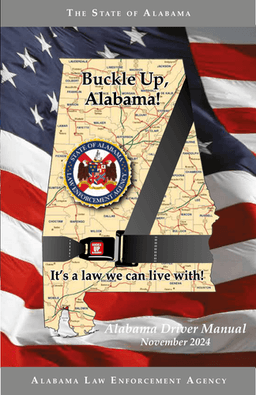
Permit Practice Test Alabama: Defensive Driving Skills
You know that feeling on I-65 when traffic just stops cold. Defensive driving isn't a chapter in some handbook. It's what keeps you out of that knot. When you're prepping for your permit practice test alabama, the Motor Vehicle Division isn't just checking if you can recognize a stop sign. They want to see if you think ahead.
Alabama roads throw a lot at you. Logging trucks on two-lane highways near Dothan. Sudden fog rolling over the Mobile Bayway. Deer at dusk in the hills outside Huntsville. A handful of practice permit test alabama runs won't cut it if you only memorize signs. You have to get the mindset into your bones.
See more
You know that feeling on I-65 when traffic just stops cold. Defensive driving isn't a chapter in some handbook. It's what keeps you out of that knot. When you're prepping for your permit practice test alabama, the Motor Vehicle Division isn't just checking if you can recognize a stop sign. They want to see if you think ahead.
Alabama roads throw a lot at you. Logging trucks on two-lane highways near Dothan. Sudden fog rolling over the Mobile Bayway. Deer at dusk in the hills outside Huntsville. A handful of practice permit test alabama runs won't cut it if you only memorize signs. You have to get the mindset into your bones.
Alabama3 minEasy13 questions

Tests Verified by Daniel Gonzalez
Experienced teacher & Instructional Designer
"These practice tests are built from the DMV handbook to help you actually learn the rules and pass the driving test with confidence"
What Defensive Driving Means in Alabama
Defensive driving? Everyone talks about it. Here, it means more. It's scanning. Not your bumper. Way ahead. A quarter mile down Research Park Boulevard at 5
on a Tuesday. You see the car three lengths ahead near the I-20/59 interchange in Birmingham. He's about to brake. Why? The driver in front of him is texting. You don't just react. You plan.
Alabama pushes prevention hard. We manage a bubble of space. Speed differential kills. A tractor at 25. A pickup at 65. You process that gap instantly. That's the core. Seeing the gap. Closing it in your mind. Making the safe choice early.
How to Handle Highway Driving Safely
Our highways aren't gentle. I-65 through Birmingham. Malfunction Junction. The name tells you everything. Short merges. People cutting across three lanes. You need a following distance that feels almost too big. Four seconds. Not two. When you're in the right lane and traffic pours in from an on-ramp, your eyes have to be on your mirror and the bumper ahead at the same time.
On a permit test practice alabama, they'll love high‑speed scenarios. Blowout on the I-10 Bayway? Don't slam the brakes. Ease off the gas. Hold the wheel firm. Coast to the shoulder. And the left lane law? Huge. The "Anti‑Road Rage" rule means if you're sitting in the left lane on I-565 in Huntsville you're the problem-even at the speed limit. Someone comes up behind you, move over. It's not a suggestion. It's the law.
The Move Over law trips so many people up.
- It covers police, fire, and ambulances.
- It covers tow trucks.
- It covers utility vehicles.
Two answers look identical on the test. One says "emergency vehicles." The other says "emergency, tow, and utility vehicles." Time pressure makes you misread. Pick the one that includes everybody.
Recognizing Dangerous Driving Situations
The test doesn't show a crash. It shows the moment right before. Aggressive drivers on US-280 in Hoover tailgating and weaving. The question says a car's riding your bumper. Instinct screams speed up. The MVD says: don't. Maintain speed. Move right when it's safe. Let them go. Don't challenge.
Lane changes? Watch for the car that floats toward the dotted line, not the one that signals. They'll ask about your "space cushion." That's your escape route. Boxed in on McFarland Boulevard in Tuscaloosa? No escape. The right answer is always to adjust position so there's an open lane next to you.
Hidden hazards sneak up.
- Parked cars on a Madison street. A door could swing open.
- A kid chasing a ball from between two vans.
- Rural intersections with corn high right up to the asphalt.
This one trips people up. Always cover the brake. Look twice for motorcycles coming over a hill.
Most Common Defensive Driving Mistakes
Following too closely is the big one. Interstate rainstorm turns I-10 into a skating rink. Two seconds behind? Already too close. In rain, double it. The test asks for seconds, not car lengths. If you see "one car length per ten mph," that's the old rule. The new standard is three seconds.
Speeding isn't just over 70. Speeding for conditions. Fog on the Causeway in Mobile at 55 in a 65? You can still get a ticket. "Reasonable and prudent speed" is the legal term. It means safe for this exact moment, not the sign.
Reacting too late makes everything worse.
- Deer jumps out near Auburn.
- Instinct says swerve.
- The test wants you to brake firmly and hold the lane.
Swerving causes rollovers. Your fiber wants to yank the wheel. You fight it. This one trips people up.
Other slip‑ups stack up.
- Not scanning intersections in Montgomery before the light turns green.
- Forgetting blind spots on I-459 before a lane change.
- Riding brakes down a long hill instead of downshifting.
This one trips people up. Right of way at a four‑way stop when two cars arrive at exactly the same time? Driver on the left yields. Always.
How Alabama Defensive Driving Rules Differ from Other States
You might have driven Georgia or Mississippi. That experience helps. Alabama has its own flavor. We test rural highway awareness way more than Florida does. Leave city limits of Tuscaloosa or Dothan, you're on a narrow road with no shoulder. A logging truck takes the whole lane. The test will ask about curves. Slow before the curve. Not in it. Brake straight, ease off, accelerate out.
Speed management on long drives. I-65 toward Gulf Shores goes straight for hours. Hypnosis sets in. The MVD emphasizes fatigue. They'll ask about "highway hypnosis." Fix? Move your eyes. Check mirrors every five to eight seconds. Change your focal point.
No routine inspections. That surprises new residents. Alabama doesn't require yearly safety checks. That means you share the road with cars that might have bald tires. Your defensive bubble has to be bigger. Assume the car ahead can't stop as fast as you.
License plates. Rear only. A small thing. You can't identify an oncoming car by its tag. Not that you should, but it subtly changes how you process traffic.
Bicycles. The three‑foot rule is law here. On a practice permit test alabama, they'll ask what to do with a cyclist in your lane. Don't honk. Slow down. Wait until the oncoming lane is clear. Give a full three feet. Yes, you can cross a double yellow to pass a cyclist safely here.
Alabama Defensive Driving FAQs
What is defensive driving in Alabama?
It's driving with your brain two steps ahead. The MVD defines it as scanning far down the road, anticipating what other drivers, weather, and curves might do, and always keeping an escape route. You manage speed and space so you're never trapped.
Are highway safety questions included on the Alabama DMV test?
Absolutely. You'll see scenarios set on I-20, I-59, I-65, and the Bayway. They test merging at high speed, handling blowouts on elevated spans, and the left lane law. They want to know you can handle 70 mph with heavy truck traffic.
Why is following distance important?
Speed and weight. Alabama mixes fast passenger cars with heavy commercial trucks, especially around Huntsville's industrial zones and Mobile's port. A safe gap gives you time to see, react, and brake. The test uses the three‑second rule as the dry, daylight minimum. Rain or fog, you add more.
What defensive driving mistakes are most common?
Tailgating and distracted driving top the list. People miss questions about the "space cushion" because they choose the answer about speed instead of lane position. Another frequent mistake? Not moving over for stopped vehicles. The law covers more than police cars, and the test reflects that.
How does Alabama differ from other states in defensive driving?
Our test leans hard on the rural, high‑speed mix. Fewer questions about parallel parking and big‑city gridlock. Instead you'll see passing on two‑lane roads, farm equipment near Auburn, and the specific hazards of the George Wallace Tunnel in Mobile. Emphasis is on keeping traffic moving safely at speed over long distances.
See more
What Defensive Driving Means in Alabama
Defensive driving? Everyone talks about it. Here, it means more. It's scanning. Not your bumper. Way ahead. A quarter mile down Research Park Boulevard at 5
on a Tuesday. You see the car three lengths ahead near the I-20/59 interchange in Birmingham. He's about to brake. Why? The driver in front of him is texting. You don't just react. You plan.Alabama pushes prevention hard. We manage a bubble of space. Speed differential kills. A tractor at 25. A pickup at 65. You process that gap instantly. That's the core. Seeing the gap. Closing it in your mind. Making the safe choice early.
How to Handle Highway Driving Safely
Our highways aren't gentle. I-65 through Birmingham. Malfunction Junction. The name tells you everything. Short merges. People cutting across three lanes. You need a following distance that feels almost too big. Four seconds. Not two. When you're in the right lane and traffic pours in from an on-ramp, your eyes have to be on your mirror and the bumper ahead at the same time.
On a permit test practice alabama, they'll love high‑speed scenarios. Blowout on the I-10 Bayway? Don't slam the brakes. Ease off the gas. Hold the wheel firm. Coast to the shoulder. And the left lane law? Huge. The "Anti‑Road Rage" rule means if you're sitting in the left lane on I-565 in Huntsville you're the problem-even at the speed limit. Someone comes up behind you, move over. It's not a suggestion. It's the law.
The Move Over law trips so many people up.
- It covers police, fire, and ambulances.
- It covers tow trucks.
- It covers utility vehicles.
Two answers look identical on the test. One says "emergency vehicles." The other says "emergency, tow, and utility vehicles." Time pressure makes you misread. Pick the one that includes everybody.
Recognizing Dangerous Driving Situations
The test doesn't show a crash. It shows the moment right before. Aggressive drivers on US-280 in Hoover tailgating and weaving. The question says a car's riding your bumper. Instinct screams speed up. The MVD says: don't. Maintain speed. Move right when it's safe. Let them go. Don't challenge.
Lane changes? Watch for the car that floats toward the dotted line, not the one that signals. They'll ask about your "space cushion." That's your escape route. Boxed in on McFarland Boulevard in Tuscaloosa? No escape. The right answer is always to adjust position so there's an open lane next to you.
Hidden hazards sneak up.
- Parked cars on a Madison street. A door could swing open.
- A kid chasing a ball from between two vans.
- Rural intersections with corn high right up to the asphalt.
This one trips people up. Always cover the brake. Look twice for motorcycles coming over a hill.
Most Common Defensive Driving Mistakes
Following too closely is the big one. Interstate rainstorm turns I-10 into a skating rink. Two seconds behind? Already too close. In rain, double it. The test asks for seconds, not car lengths. If you see "one car length per ten mph," that's the old rule. The new standard is three seconds.
Speeding isn't just over 70. Speeding for conditions. Fog on the Causeway in Mobile at 55 in a 65? You can still get a ticket. "Reasonable and prudent speed" is the legal term. It means safe for this exact moment, not the sign.
Reacting too late makes everything worse.
- Deer jumps out near Auburn.
- Instinct says swerve.
- The test wants you to brake firmly and hold the lane.
Swerving causes rollovers. Your fiber wants to yank the wheel. You fight it. This one trips people up.
Other slip‑ups stack up.
- Not scanning intersections in Montgomery before the light turns green.
- Forgetting blind spots on I-459 before a lane change.
- Riding brakes down a long hill instead of downshifting.
This one trips people up. Right of way at a four‑way stop when two cars arrive at exactly the same time? Driver on the left yields. Always.
How Alabama Defensive Driving Rules Differ from Other States
You might have driven Georgia or Mississippi. That experience helps. Alabama has its own flavor. We test rural highway awareness way more than Florida does. Leave city limits of Tuscaloosa or Dothan, you're on a narrow road with no shoulder. A logging truck takes the whole lane. The test will ask about curves. Slow before the curve. Not in it. Brake straight, ease off, accelerate out.
Speed management on long drives. I-65 toward Gulf Shores goes straight for hours. Hypnosis sets in. The MVD emphasizes fatigue. They'll ask about "highway hypnosis." Fix? Move your eyes. Check mirrors every five to eight seconds. Change your focal point.
No routine inspections. That surprises new residents. Alabama doesn't require yearly safety checks. That means you share the road with cars that might have bald tires. Your defensive bubble has to be bigger. Assume the car ahead can't stop as fast as you.
License plates. Rear only. A small thing. You can't identify an oncoming car by its tag. Not that you should, but it subtly changes how you process traffic.
Bicycles. The three‑foot rule is law here. On a practice permit test alabama, they'll ask what to do with a cyclist in your lane. Don't honk. Slow down. Wait until the oncoming lane is clear. Give a full three feet. Yes, you can cross a double yellow to pass a cyclist safely here.
Alabama Defensive Driving FAQs
What is defensive driving in Alabama?
It's driving with your brain two steps ahead. The MVD defines it as scanning far down the road, anticipating what other drivers, weather, and curves might do, and always keeping an escape route. You manage speed and space so you're never trapped.
Are highway safety questions included on the Alabama DMV test?
Absolutely. You'll see scenarios set on I-20, I-59, I-65, and the Bayway. They test merging at high speed, handling blowouts on elevated spans, and the left lane law. They want to know you can handle 70 mph with heavy truck traffic.
Why is following distance important?
Speed and weight. Alabama mixes fast passenger cars with heavy commercial trucks, especially around Huntsville's industrial zones and Mobile's port. A safe gap gives you time to see, react, and brake. The test uses the three‑second rule as the dry, daylight minimum. Rain or fog, you add more.
What defensive driving mistakes are most common?
Tailgating and distracted driving top the list. People miss questions about the "space cushion" because they choose the answer about speed instead of lane position. Another frequent mistake? Not moving over for stopped vehicles. The law covers more than police cars, and the test reflects that.
How does Alabama differ from other states in defensive driving?
Our test leans hard on the rural, high‑speed mix. Fewer questions about parallel parking and big‑city gridlock. Instead you'll see passing on two‑lane roads, farm equipment near Auburn, and the specific hazards of the George Wallace Tunnel in Mobile. Emphasis is on keeping traffic moving safely at speed over long distances.
25000
practice tests completed by Alabama learners this month