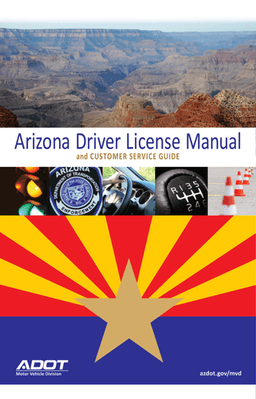
Arizona Drivers Practice Test: Driver Condition and Mental Awareness
You hear people say the written test is just signs and speed limits. Then you open the booklet and the first thing they throw at you is dehydration. And heat exhaustion. And what happens to your brain after two hours on I-10. It feels like a trick. It's not.
The MVD builds this stuff into the arizona permit test for a reason. Driving in Phoenix isn't the same as cruising through Flagstaff. A rush-hour grind on the Loop 101 in July tests your body in ways that a quick trip across town never will. The whole point is to make sure you understand what's happening to you behind the wheel when the temperature climbs past 105 and the freeway stretches out flat and empty for miles.
See more
You hear people say the written test is just signs and speed limits. Then you open the booklet and the first thing they throw at you is dehydration. And heat exhaustion. And what happens to your brain after two hours on I-10. It feels like a trick. It's not.
The MVD builds this stuff into the arizona permit test for a reason. Driving in Phoenix isn't the same as cruising through Flagstaff. A rush-hour grind on the Loop 101 in July tests your body in ways that a quick trip across town never will. The whole point is to make sure you understand what's happening to you behind the wheel when the temperature climbs past 105 and the freeway stretches out flat and empty for miles.
Arizona3 minEasy13 questions

Tests Verified by Daniel Gonzalez
Experienced teacher & Instructional Designer
"These practice tests are built from the DMV handbook to help you actually learn the rules and pass the driving test with confidence"
How Arizona Heat Impacts Driver Performance
The heat here is a physical thing. It pushes against you. Park your car in a Chandler lot for an hour in July and the inside hits 140 degrees. Easily. Even with the AC going full blast your body is still fighting to keep itself cool. The arizona drivers practice test will poke at this directly.
Dehydration sneaks up. You feel fine merging onto the 202 in the morning. By the time you're near the Price Corridor your reaction time is already dulled. Researchers say driving dehydrated can cause the same mistakes as a .08 blood alcohol level. That's legally impaired. Think about that. Drink water before you're thirsty. Keep the bottle in the cup holder, not the back seat.
Then there are the heat exhaustion symptoms. Headache. Dizziness. Heavy sweating. Muscle cramps. A question will lay out a few options and two answers look right. You might pick "pull over and rest." But the test wants "pull over, get out of the heat, and hydrate." Resting inside a baking car doesn't cut it. You need shade. You need water.
Highway hypnosis is real, too. You're heading back to the Valley after a weekend up north, the AC humming, the road dead straight. The temperature change alone can make your eyelids heavy. The test frames this as a slow loss of focus, not a sudden emergency. Recognize the early signs. Yawning. Blinking too much. Missing your exit. That's when you stop.
Sun Glare and Visibility Problems in Arizona
Sunrise and sunset can be cruel here. You're heading east on US-60 through Mesa at 6
a.m. and all of a sudden you're driving into a solid wall of light. It's blinding. Not like a cloudy morning in Ohio. Instant. Dangerous.
The Arizona permit test will give you visibility scenarios that catch people off guard. What do you do when glare makes the car ahead completely disappear? Your instinct screams slow down and squint. The safer move is to increase your following distance and use the sun visor properly. Sunglasses help. Polarized lenses help more. But no accessory fixes everything. Sometimes you just have to pull off and wait, especially on a surface street in Tempe where the sun bounces off every windshield around you.
And then there are dust storms. A haboob rolling into the southeast Valley can turn a sunny afternoon into midnight in ninety seconds. The MVD is dead serious about this. If you're caught on Loop 101 near Scottsdale, you pull completely off the road, turn off every light, take your foot off the brake pedal, and wait. That last part trips people up. If your brake lights stay on, the car behind might follow them straight into you. Remember it.
Distracted Driving Risks on Arizona Freeways
The hands-free law is clear. No holding or supporting a phone while driving. Not in bumper-to-bumper traffic on I-10 near downtown. Not at a red light in Glendale. The MVD means it. The arizona drivers practice test will hit this again and again.
But distraction is bigger than your phone. Cognitive distraction is the stuff you don't see. Rehashing a brutal work meeting. Arguing with a passenger. Your mind is miles away. On a rural interstate at 75 miles per hour you cover a football field in a little over three seconds. If your brain isn't in the car, you just missed the animal stepping onto the shoulder near Oracle Junction.
Navigation systems are a trap. Fumbling with a map on your dash while navigating the reversible lanes on 7th Street in Phoenix is a fast way to a head-on. Set your route before you move. Need to adjust? Pull over. A real parking lot, not the shoulder of a freeway.
Freeway awareness gets special attention. Our urban freeways are fast and complicated. Ramp meters on Loop 202 in Mesa. HOV lane restrictions during the week. Motorcycles filtering up to the front at a red light. That's legal now. The test expects you to scan constantly. A question might describe a driver glancing at a text for two seconds and missing a filtering motorcycle on Speedway in Tucson. Two seconds is too long.
Most Common Driver Condition Mistakes in Arizona
Fatigue is the subtle killer. Not the head-bobbing, falling-asleep kind. The slow fade. You're three hours into a drive from Tucson to Phoenix after a long day. Your lane position drifts. You miss the exit for Baseline Road. You tell yourself you're fine. The test will ask about those soft warning signs. Yawning a lot. Blinking more than usual. Missing exits. All of them mean stop.
Another big mistake is not adjusting to the time of day. Quick trip to the grocery store in Surprise at 5
p.m. in August means driving west with the sun directly in your face. People often don't slow down enough. They keep moving at 50 on a wide arterial even when they can barely see. The test wants you to reduce speed. Use the right edge of the road as a guide. Don't rely on a center line you can't even find.
The monotony of long freeway trips gets underestimated. The stretch between Phoenix and Tucson on I-10 is flat and straight for miles. Your brain gets bored. Boredom leads to inattention. Inattention leads to late braking. The MVD wants you to take a real break every two hours. Not just for your back. For your mind.
- Yawning.
- Lane drifting.
- Missing your exit.
This one trips people up.
Then there's the wording game. The manual says you may use the shoulder to pull over in an emergency. You must not use it to bypass traffic. The test loves to swap those words. May vs must. Read carefully.
How Arizona Driver Condition Rules Differ from Other States
If you moved here from California or Utah, some of this will feel new. California has heat, sure. But Arizona bakes heat-related driver safety right into the whole licensing process. The MVD doesn't mention dehydration as a footnote. It's front and center.
Desert driving creates isolation that coastal states don't really deal with. You can drive an hour on US-60 between Wickenburg and Surprise and see nothing but creosote and sky. That emptiness alters your alertness. The permit test reflects it.
Another difference is the combination of high speeds and relentless sun. In a place like Oregon, glare is occasional. Here it's a daily, seasonal given. The test includes more visibility scenarios. You might see a question about driving into the sun on a Phoenix freeway during rush hour. The answer isn't just "wear sunglasses." It's "increase following distance, slow down, and be prepared to stop."
Motorcycle awareness grew after the lane filtering law passed in 2022. The MVD now puts more questions about watching for smaller vehicles in your mirrors. A filtering motorcycle in Peoria at a red light is legal. Expect it.
School zone enforcement is another local flavor. In Chandler and Gilbert the speed drops to 15 miles per hour when lights flash. Passing is prohibited. The test asks about penalties and procedures. Time pressure makes you misread. You see "20 mph" as an option and it sounds reasonable. It's not. It's 15.
And the "Stupid Motorist Law" is pure Arizona. If you drive around a flood barricade and need a rescue, you'll get the bill. The MVD includes it to hammer home the danger of flash floods. A question might frame it as a financial penalty. The real price is your life.
Arizona Driver Condition FAQs
Does Arizona test heat-related driving safety?
Yes. The MVD includes direct questions about heat exhaustion, dehydration, and how extreme temperatures smash your ability to concentrate. You need to know the symptoms and the correct response. This isn't just a warning. It's tested material.
How does dehydration affect driving ability?
Dehydration causes dizziness, slower reaction times, and bad decision-making. The test draws a line between driving dehydrated and driving under the influence. You might see a comparison between a dehydrated driver and a drunk driver. Water is as important as fuel on a long trip.
Are sun glare situations included on the AZ permit test?
Absolutely. Expect scenarios about heading directly into the sun at sunrise or sunset. The test wants you to know how to use your visor, when polarized lenses help, and when the only smart move is to pull over and wait until you can see again.
What distracted driving risks are common in Arizona?
The test covers handheld phone use, which is illegal, but also cognitive distractions like talking to passengers or adjusting controls. High freeway speeds leave zero room for error. The MVD emphasizes keeping your eyes and your mind on the road at all times.
Why is freeway awareness important for Arizona drivers?
Phoenix, Mesa, Tucson, they all lean heavily on fast, complex freeway systems. Ramp meters, HOV lanes, sudden dust storms, and legal motorcycle filtering all demand constant scanning. The MVD tests your ability to anticipate and react to these conditions before they turn into a crash.
See more
How Arizona Heat Impacts Driver Performance
The heat here is a physical thing. It pushes against you. Park your car in a Chandler lot for an hour in July and the inside hits 140 degrees. Easily. Even with the AC going full blast your body is still fighting to keep itself cool. The arizona drivers practice test will poke at this directly.
Dehydration sneaks up. You feel fine merging onto the 202 in the morning. By the time you're near the Price Corridor your reaction time is already dulled. Researchers say driving dehydrated can cause the same mistakes as a .08 blood alcohol level. That's legally impaired. Think about that. Drink water before you're thirsty. Keep the bottle in the cup holder, not the back seat.
Then there are the heat exhaustion symptoms. Headache. Dizziness. Heavy sweating. Muscle cramps. A question will lay out a few options and two answers look right. You might pick "pull over and rest." But the test wants "pull over, get out of the heat, and hydrate." Resting inside a baking car doesn't cut it. You need shade. You need water.
Highway hypnosis is real, too. You're heading back to the Valley after a weekend up north, the AC humming, the road dead straight. The temperature change alone can make your eyelids heavy. The test frames this as a slow loss of focus, not a sudden emergency. Recognize the early signs. Yawning. Blinking too much. Missing your exit. That's when you stop.
Sun Glare and Visibility Problems in Arizona
Sunrise and sunset can be cruel here. You're heading east on US-60 through Mesa at 6
a.m. and all of a sudden you're driving into a solid wall of light. It's blinding. Not like a cloudy morning in Ohio. Instant. Dangerous.The Arizona permit test will give you visibility scenarios that catch people off guard. What do you do when glare makes the car ahead completely disappear? Your instinct screams slow down and squint. The safer move is to increase your following distance and use the sun visor properly. Sunglasses help. Polarized lenses help more. But no accessory fixes everything. Sometimes you just have to pull off and wait, especially on a surface street in Tempe where the sun bounces off every windshield around you.
And then there are dust storms. A haboob rolling into the southeast Valley can turn a sunny afternoon into midnight in ninety seconds. The MVD is dead serious about this. If you're caught on Loop 101 near Scottsdale, you pull completely off the road, turn off every light, take your foot off the brake pedal, and wait. That last part trips people up. If your brake lights stay on, the car behind might follow them straight into you. Remember it.
Distracted Driving Risks on Arizona Freeways
The hands-free law is clear. No holding or supporting a phone while driving. Not in bumper-to-bumper traffic on I-10 near downtown. Not at a red light in Glendale. The MVD means it. The arizona drivers practice test will hit this again and again.
But distraction is bigger than your phone. Cognitive distraction is the stuff you don't see. Rehashing a brutal work meeting. Arguing with a passenger. Your mind is miles away. On a rural interstate at 75 miles per hour you cover a football field in a little over three seconds. If your brain isn't in the car, you just missed the animal stepping onto the shoulder near Oracle Junction.
Navigation systems are a trap. Fumbling with a map on your dash while navigating the reversible lanes on 7th Street in Phoenix is a fast way to a head-on. Set your route before you move. Need to adjust? Pull over. A real parking lot, not the shoulder of a freeway.
Freeway awareness gets special attention. Our urban freeways are fast and complicated. Ramp meters on Loop 202 in Mesa. HOV lane restrictions during the week. Motorcycles filtering up to the front at a red light. That's legal now. The test expects you to scan constantly. A question might describe a driver glancing at a text for two seconds and missing a filtering motorcycle on Speedway in Tucson. Two seconds is too long.
Most Common Driver Condition Mistakes in Arizona
Fatigue is the subtle killer. Not the head-bobbing, falling-asleep kind. The slow fade. You're three hours into a drive from Tucson to Phoenix after a long day. Your lane position drifts. You miss the exit for Baseline Road. You tell yourself you're fine. The test will ask about those soft warning signs. Yawning a lot. Blinking more than usual. Missing exits. All of them mean stop.
Another big mistake is not adjusting to the time of day. Quick trip to the grocery store in Surprise at 5
p.m. in August means driving west with the sun directly in your face. People often don't slow down enough. They keep moving at 50 on a wide arterial even when they can barely see. The test wants you to reduce speed. Use the right edge of the road as a guide. Don't rely on a center line you can't even find.The monotony of long freeway trips gets underestimated. The stretch between Phoenix and Tucson on I-10 is flat and straight for miles. Your brain gets bored. Boredom leads to inattention. Inattention leads to late braking. The MVD wants you to take a real break every two hours. Not just for your back. For your mind.
- Yawning.
- Lane drifting.
- Missing your exit.
This one trips people up.
Then there's the wording game. The manual says you may use the shoulder to pull over in an emergency. You must not use it to bypass traffic. The test loves to swap those words. May vs must. Read carefully.
How Arizona Driver Condition Rules Differ from Other States
If you moved here from California or Utah, some of this will feel new. California has heat, sure. But Arizona bakes heat-related driver safety right into the whole licensing process. The MVD doesn't mention dehydration as a footnote. It's front and center.
Desert driving creates isolation that coastal states don't really deal with. You can drive an hour on US-60 between Wickenburg and Surprise and see nothing but creosote and sky. That emptiness alters your alertness. The permit test reflects it.
Another difference is the combination of high speeds and relentless sun. In a place like Oregon, glare is occasional. Here it's a daily, seasonal given. The test includes more visibility scenarios. You might see a question about driving into the sun on a Phoenix freeway during rush hour. The answer isn't just "wear sunglasses." It's "increase following distance, slow down, and be prepared to stop."
Motorcycle awareness grew after the lane filtering law passed in 2022. The MVD now puts more questions about watching for smaller vehicles in your mirrors. A filtering motorcycle in Peoria at a red light is legal. Expect it.
School zone enforcement is another local flavor. In Chandler and Gilbert the speed drops to 15 miles per hour when lights flash. Passing is prohibited. The test asks about penalties and procedures. Time pressure makes you misread. You see "20 mph" as an option and it sounds reasonable. It's not. It's 15.
And the "Stupid Motorist Law" is pure Arizona. If you drive around a flood barricade and need a rescue, you'll get the bill. The MVD includes it to hammer home the danger of flash floods. A question might frame it as a financial penalty. The real price is your life.
Arizona Driver Condition FAQs
Does Arizona test heat-related driving safety? Yes. The MVD includes direct questions about heat exhaustion, dehydration, and how extreme temperatures smash your ability to concentrate. You need to know the symptoms and the correct response. This isn't just a warning. It's tested material.
How does dehydration affect driving ability? Dehydration causes dizziness, slower reaction times, and bad decision-making. The test draws a line between driving dehydrated and driving under the influence. You might see a comparison between a dehydrated driver and a drunk driver. Water is as important as fuel on a long trip.
Are sun glare situations included on the AZ permit test? Absolutely. Expect scenarios about heading directly into the sun at sunrise or sunset. The test wants you to know how to use your visor, when polarized lenses help, and when the only smart move is to pull over and wait until you can see again.
What distracted driving risks are common in Arizona? The test covers handheld phone use, which is illegal, but also cognitive distractions like talking to passengers or adjusting controls. High freeway speeds leave zero room for error. The MVD emphasizes keeping your eyes and your mind on the road at all times.
Why is freeway awareness important for Arizona drivers? Phoenix, Mesa, Tucson, they all lean heavily on fast, complex freeway systems. Ramp meters, HOV lanes, sudden dust storms, and legal motorcycle filtering all demand constant scanning. The MVD tests your ability to anticipate and react to these conditions before they turn into a crash.
25000
practice tests completed by Arizona learners this month