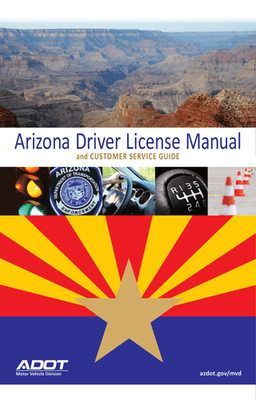
Arizona Driver's License Practice Test: Hazard Situations and Emergency Awareness
The Most Dangerous Driving Hazards in Arizona
Getting ready for your arizona driver's license practice test, you already know the simple stuff. Stop means stop. Speed limits are posted. But then you hit the hazard situations part and everything shifts. The MVD doesn't mess around. They want you to prove you can see trouble coming before it's on your hood. When I first cracked open a permit test online practice session, I thought I was prepared. I wasn't. Not even close. The questions felt like they'd been pulled straight from monsoon season dashcam footage and real Phoenix rush-hour panic.
Arizona's hazards aren't subtle. They come at you sideways. A dust storm swallows the 202 in broad daylight. A wash in Tucson turns into a river while you're still deciding if that puddle looks deep. And then there's the freeway, where I-10 goes from seventy-five to zero faster than your brain can process. The test knows this. It's not trying to trick you for sport. It's trying to keep you from becoming a statistic. So let's walk through what actually matters.
Dust storms. If you're anywhere near Gilbert or Mesa and the horizon turns that dirty brown, you don't have long. The test will ask what to do, and multiple answers will sound sensible. Pull over. Yes. But then what? You must turn your lights completely off. Brake lights off. Everything dark. The logic is brutal and smart: other drivers will subconsciously steer toward any light, thinking it's the road. You become a beacon for a pile-up. Take your foot off the brake. Set the parking brake if you can. Wait. This one tiny detail-lights off-fails more people than you'd believe.
Now, sudden freeway slowdowns. I drive Loop 101 enough to know that traffic can go from flowing to parked in the space of a song change. The test puts you in that moment. You're supposed to scan twelve seconds ahead, check your mirrors, and know your escape route before you need it. The right answer isn't panic braking. It's controlled braking while watching the rearview to see if the guy behind you is paying attention. Sometimes you need to coast onto the shoulder. Sometimes you don't. The test rewards hesitation that's actually planning, not fear.
Wildlife. Up north it's elk. Around Surprise and Peoria it's coyotes and javelina. The question will dangle a cute animal in your path and ask if you swerve. Swerving is almost never the answer. It feels cold. But at seventy miles per hour, your car doesn't forgive. Rolling is worse than a collision. The test checks if you can override that gut instinct to yank the wheel. That's a real skill.
How Flash Flooding Creates Unique Arizona Risks
Monsoon season. June through September, the whole valley can flip in minutes. The MVD loads the hazard test with flood scenarios, more than any other state I've seen. You'll see them on any decent arizona driver's license practice test. The classic setup: you're driving in Tempe, a storm hits, a normally dry wash suddenly has water moving fast. It looks shallow. It's not. The question presents two options. One says proceed slowly because you've got clearance. The other says turn around, don't drown. Time pressure makes you misread the depth and think, "My truck can handle it." The test is designed to break that thought.
The "Stupid Motorist Law" is real and it's tested hard. If you go around a barricade in Glendale or Gilbert and get stuck, the state can send you the rescue bill. The permit test online practice questions will show a flooded road with a barrier and a detour sign. Two answers look right. One is "drive around carefully," the other is "find an alternate route." You pick the alternate route. Always. Six inches of water can stall your engine. A foot can float your car. Two feet will sweep an SUV away. Those numbers aren't random. They come from actual recoveries. In Chandler, certain underpasses turn into lakes so fast you'd think someone pulled a plug. The test respects that, and so should you.
The hard-packed desert dirt doesn't absorb rain. It sheds it like pavement. Water funnels straight to low-lying roads and washes. You might not even see the raincloud; it could be miles away, and suddenly you're in a flash flood. The exam wants you to understand that terrain, not just weather. That's the difference. That's why the questions feel so specific. They're built on what fire crews in Mesa and Phoenix deal with every summer.
Recognizing Freeway Hazards Before They Become Emergencies
Freeway driving here is not casual. Rural stretches let you go seventy-five. Inside Phoenix and Tucson, the posted limit is lower but the actual flow is often faster. Merge onto I-10 near the Broadway Curve, or try to navigate the 202 through Gilbert at 5 p.m., and you'll understand. The hazard test drills scanning until your eyes ache. You cannot just stare at the bumper ahead. You must look up, out, ahead. Twelve seconds. That's a city block at highway speed. In Scottsdale, that buys you enough time to see brake lights stacking before they become an emergency. The test will show you a dashboard view and ask where your eyes should be. The answer is not just forward. It's forward with a search pattern that includes mirrors and blind spots.
Escape paths come up constantly. Where do you go if the lane stops now? The test might place a stalled car in your path. Do you swerve into the HOV lane? Do you brake and hold? The correct response usually involves controlled braking and steering to a shoulder, but only if you've already checked that blind spot. So many people assume the shoulder is clear. The MVD wants you to know it might not be.
Ramp meters. Those little red-green lights on freeway on-ramps, especially on I-17 and US-60. The test will ask what a green light means. One car per green. It's that simple. But you'll overthink it. You'll wonder if motorcycles count separately. They don't. Just go. HOV lanes add another wrinkle. During weekday peak hours you need two or more people inside. Motorcycles are always allowed, even with one rider. Some clean-fuel vehicles have a permit. The test asks when you can enter these lanes. Only at dashed openings. Cross the solid double-white and you've committed a moving violation. That's a favorite trick question. It looks so minor. It's not.
The Move Over law is personal to me. A friend got a ticket because she didn't move over for a tow truck on I-8. She thought it only applied to police. Wrong. Any vehicle with flashing lights, emergency or not, means you move over or slow way down. The test will put a fire truck on the shoulder of a freeway and ask what you must do. If you can't move over safely, you reduce speed by at least twenty miles per hour below the posted limit. Those specifics matter. May vs. must. That tiny distinction traps people all the time.
What Makes Arizona Hazard Questions Different
I've taken practice tests for a few states when helping relatives. Arizona's stand out. The MVD leans heavily on environmental threats that are baked into living here. It's not generic "rain makes roads slippery." It's "a haboob is rolling toward Surprise and visibility just dropped to zero." The heat itself is a hazard. Not just discomfort. Tire pressure. Engine coolant. What you carry in your car. The test might ask what essential item belongs in your vehicle during summer. Water. Lots of water. And you check your tire pressure more often because underinflated tires in 115-degree heat can blow. A real-life detail: a buddy failed that exact question because he thought blowouts only happen from road debris. He pictured a nail. The test pictured physics.
Border Patrol checkpoints. On routes like I-19 south of Tucson, they're normal. The test asks how to react. Slow down, follow instructions, don't be erratic. It's presented as a standard safety scenario, not a political question. Just part of driving in that region. Same with school zones. In Chandler and Gilbert, speeds drop to fifteen when lights flash. The test will show a sign and ask when the lowered limit applies. It's active when lights flash or during posted hours, even if you don't see kids. Passing is banned entirely. That trips people up because they assume if the crossing is empty, they can roll through. Nope.
The structural thing with Arizona questions is that they test your response, not just your knowledge. They test the gap between seeing something and doing the right thing. Two answers will look nearly identical. One has a subtle legal nuance-like turning off your lights versus using hazards during a dust storm. Hazard lights aren't enough. You go dark. That phrase, "go dark," is not in the handbook exactly, but it's the concept. The test forces you to understand the why, not just the rule.
Most Common Hazard Situation Mistakes in Arizona
People repeat the same failures. The biggest one is braking too hard on the freeway. The scenario: you're on the US-60 through Mesa and traffic stops dead ahead. Your lizard brain wants to stomp the pedal. The test's correct answer is firm but controlled braking, while checking your mirror to see if the car behind you is going to rear-end you. Sometimes you have to steer onto the shoulder if that guy isn't stopping. The MVD tests for rear-collision awareness just as much as forward awareness. That surprises people.
Underestimating flood water is a close second. You see numbers thrown at you. Six inches. Twelve inches. Two feet. But knowing the numbers isn't enough. The test will describe a wash with "water moving briskly" and ask if you cross. It looks drivable. It never is. The "Stupid Motorist Law" question is almost guaranteed. And yet folks still pick "proceed at walking speed" because it sounds cautious. It's not cautious. It's the fastest way to end up in a Swift Water Rescue video.
- Confusing dust storm protocol.
- Leaving lights on while pulled over.
- Thinking hazard lights are sufficient.
You go dark. That is non-negotiable.
Motorcycle lane filtering snags a lot of people. Legal since 2022, but only in very specific conditions. Traffic must be stopped. The road's speed limit must be forty-five miles per hour or less. The motorcyclist can't exceed fifteen miles per hour while filtering. The test may ask if a bike can split lanes at speed on the freeway. That's still illegal, splitting is different. Filtering is between stopped cars at a red light on a city street. May vs. must again. You may filter under those narrow rules. You must not exceed fifteen. You must not filter on roads posted above forty-five. The wording is precise for a reason. One word changes the whole scenario.
Arizona Hazard Situations FAQs
What hazards are most common on Arizona roads?
Dust storms, flash floods, and sudden freeway slowdowns are the big three. In Phoenix, Mesa, and Tucson, you add extreme heat and monsoon-driven wash flooding. Rural areas bring wildlife and long stretches without services. The MVD covers all of them extensively.
Does Arizona test flash flood safety?
Yes, heavily. The "Stupid Motorist Law" appears in some form on nearly every version of the arizona driver's license practice test. You'll get questions about crossing flooded washes, obeying barricades, and how moving water can sweep a vehicle. It's not optional knowledge.
How should drivers react during dust storms?
Pull entirely off the road if possible. Turn off all lights, including brake lights, so no one follows you into a crash. Set the parking brake. Stay buckled and wait it out. Do not stop in travel lanes. This exact sequence is a permit test online practice standard, and missing even one step can cause you to fail the hazard section.
Are freeway emergency situations included on the permit test?
Absolutely. The MVD tests scanning techniques, escape paths, ramp meter rules, and Move Over law scenarios. You'll see references to I-10, Loop 101, US-60, and other major routes. You're expected to show you can react without panicking when traffic stops abruptly.
What hazard mistakes are most common in Arizona?
Braking too abruptly on the freeway, entering flooded roads despite visible danger, and freezing during dust storms instead of pulling off safely. The test is built to catch those natural impulses and replace them with safer trained responses.
See more
The Most Dangerous Driving Hazards in Arizona
Getting ready for your arizona driver's license practice test, you already know the simple stuff. Stop means stop. Speed limits are posted. But then you hit the hazard situations part and everything shifts. The MVD doesn't mess around. They want you to prove you can see trouble coming before it's on your hood. When I first cracked open a permit test online practice session, I thought I was prepared. I wasn't. Not even close. The questions felt like they'd been pulled straight from monsoon season dashcam footage and real Phoenix rush-hour panic.
Arizona's hazards aren't subtle. They come at you sideways. A dust storm swallows the 202 in broad daylight. A wash in Tucson turns into a river while you're still deciding if that puddle looks deep. And then there's the freeway, where I-10 goes from seventy-five to zero faster than your brain can process. The test knows this. It's not trying to trick you for sport. It's trying to keep you from becoming a statistic. So let's walk through what actually matters.
Dust storms. If you're anywhere near Gilbert or Mesa and the horizon turns that dirty brown, you don't have long. The test will ask what to do, and multiple answers will sound sensible. Pull over. Yes. But then what? You must turn your lights completely off. Brake lights off. Everything dark. The logic is brutal and smart: other drivers will subconsciously steer toward any light, thinking it's the road. You become a beacon for a pile-up. Take your foot off the brake. Set the parking brake if you can. Wait. This one tiny detail-lights off-fails more people than you'd believe.
Now, sudden freeway slowdowns. I drive Loop 101 enough to know that traffic can go from flowing to parked in the space of a song change. The test puts you in that moment. You're supposed to scan twelve seconds ahead, check your mirrors, and know your escape route before you need it. The right answer isn't panic braking. It's controlled braking while watching the rearview to see if the guy behind you is paying attention. Sometimes you need to coast onto the shoulder. Sometimes you don't. The test rewards hesitation that's actually planning, not fear.
Wildlife. Up north it's elk. Around Surprise and Peoria it's coyotes and javelina. The question will dangle a cute animal in your path and ask if you swerve. Swerving is almost never the answer. It feels cold. But at seventy miles per hour, your car doesn't forgive. Rolling is worse than a collision. The test checks if you can override that gut instinct to yank the wheel. That's a real skill.
How Flash Flooding Creates Unique Arizona Risks
Monsoon season. June through September, the whole valley can flip in minutes. The MVD loads the hazard test with flood scenarios, more than any other state I've seen. You'll see them on any decent arizona driver's license practice test. The classic setup: you're driving in Tempe, a storm hits, a normally dry wash suddenly has water moving fast. It looks shallow. It's not. The question presents two options. One says proceed slowly because you've got clearance. The other says turn around, don't drown. Time pressure makes you misread the depth and think, "My truck can handle it." The test is designed to break that thought.
The "Stupid Motorist Law" is real and it's tested hard. If you go around a barricade in Glendale or Gilbert and get stuck, the state can send you the rescue bill. The permit test online practice questions will show a flooded road with a barrier and a detour sign. Two answers look right. One is "drive around carefully," the other is "find an alternate route." You pick the alternate route. Always. Six inches of water can stall your engine. A foot can float your car. Two feet will sweep an SUV away. Those numbers aren't random. They come from actual recoveries. In Chandler, certain underpasses turn into lakes so fast you'd think someone pulled a plug. The test respects that, and so should you.
The hard-packed desert dirt doesn't absorb rain. It sheds it like pavement. Water funnels straight to low-lying roads and washes. You might not even see the raincloud; it could be miles away, and suddenly you're in a flash flood. The exam wants you to understand that terrain, not just weather. That's the difference. That's why the questions feel so specific. They're built on what fire crews in Mesa and Phoenix deal with every summer.
Recognizing Freeway Hazards Before They Become Emergencies
Freeway driving here is not casual. Rural stretches let you go seventy-five. Inside Phoenix and Tucson, the posted limit is lower but the actual flow is often faster. Merge onto I-10 near the Broadway Curve, or try to navigate the 202 through Gilbert at 5 p.m., and you'll understand. The hazard test drills scanning until your eyes ache. You cannot just stare at the bumper ahead. You must look up, out, ahead. Twelve seconds. That's a city block at highway speed. In Scottsdale, that buys you enough time to see brake lights stacking before they become an emergency. The test will show you a dashboard view and ask where your eyes should be. The answer is not just forward. It's forward with a search pattern that includes mirrors and blind spots.
Escape paths come up constantly. Where do you go if the lane stops now? The test might place a stalled car in your path. Do you swerve into the HOV lane? Do you brake and hold? The correct response usually involves controlled braking and steering to a shoulder, but only if you've already checked that blind spot. So many people assume the shoulder is clear. The MVD wants you to know it might not be.
Ramp meters. Those little red-green lights on freeway on-ramps, especially on I-17 and US-60. The test will ask what a green light means. One car per green. It's that simple. But you'll overthink it. You'll wonder if motorcycles count separately. They don't. Just go. HOV lanes add another wrinkle. During weekday peak hours you need two or more people inside. Motorcycles are always allowed, even with one rider. Some clean-fuel vehicles have a permit. The test asks when you can enter these lanes. Only at dashed openings. Cross the solid double-white and you've committed a moving violation. That's a favorite trick question. It looks so minor. It's not.
The Move Over law is personal to me. A friend got a ticket because she didn't move over for a tow truck on I-8. She thought it only applied to police. Wrong. Any vehicle with flashing lights, emergency or not, means you move over or slow way down. The test will put a fire truck on the shoulder of a freeway and ask what you must do. If you can't move over safely, you reduce speed by at least twenty miles per hour below the posted limit. Those specifics matter. May vs. must. That tiny distinction traps people all the time.
What Makes Arizona Hazard Questions Different
I've taken practice tests for a few states when helping relatives. Arizona's stand out. The MVD leans heavily on environmental threats that are baked into living here. It's not generic "rain makes roads slippery." It's "a haboob is rolling toward Surprise and visibility just dropped to zero." The heat itself is a hazard. Not just discomfort. Tire pressure. Engine coolant. What you carry in your car. The test might ask what essential item belongs in your vehicle during summer. Water. Lots of water. And you check your tire pressure more often because underinflated tires in 115-degree heat can blow. A real-life detail: a buddy failed that exact question because he thought blowouts only happen from road debris. He pictured a nail. The test pictured physics.
Border Patrol checkpoints. On routes like I-19 south of Tucson, they're normal. The test asks how to react. Slow down, follow instructions, don't be erratic. It's presented as a standard safety scenario, not a political question. Just part of driving in that region. Same with school zones. In Chandler and Gilbert, speeds drop to fifteen when lights flash. The test will show a sign and ask when the lowered limit applies. It's active when lights flash or during posted hours, even if you don't see kids. Passing is banned entirely. That trips people up because they assume if the crossing is empty, they can roll through. Nope.
The structural thing with Arizona questions is that they test your response, not just your knowledge. They test the gap between seeing something and doing the right thing. Two answers will look nearly identical. One has a subtle legal nuance-like turning off your lights versus using hazards during a dust storm. Hazard lights aren't enough. You go dark. That phrase, "go dark," is not in the handbook exactly, but it's the concept. The test forces you to understand the why, not just the rule.
Most Common Hazard Situation Mistakes in Arizona
People repeat the same failures. The biggest one is braking too hard on the freeway. The scenario: you're on the US-60 through Mesa and traffic stops dead ahead. Your lizard brain wants to stomp the pedal. The test's correct answer is firm but controlled braking, while checking your mirror to see if the car behind you is going to rear-end you. Sometimes you have to steer onto the shoulder if that guy isn't stopping. The MVD tests for rear-collision awareness just as much as forward awareness. That surprises people.
Underestimating flood water is a close second. You see numbers thrown at you. Six inches. Twelve inches. Two feet. But knowing the numbers isn't enough. The test will describe a wash with "water moving briskly" and ask if you cross. It looks drivable. It never is. The "Stupid Motorist Law" question is almost guaranteed. And yet folks still pick "proceed at walking speed" because it sounds cautious. It's not cautious. It's the fastest way to end up in a Swift Water Rescue video.
- Confusing dust storm protocol.
- Leaving lights on while pulled over.
- Thinking hazard lights are sufficient.
You go dark. That is non-negotiable.
Motorcycle lane filtering snags a lot of people. Legal since 2022, but only in very specific conditions. Traffic must be stopped. The road's speed limit must be forty-five miles per hour or less. The motorcyclist can't exceed fifteen miles per hour while filtering. The test may ask if a bike can split lanes at speed on the freeway. That's still illegal, splitting is different. Filtering is between stopped cars at a red light on a city street. May vs. must again. You may filter under those narrow rules. You must not exceed fifteen. You must not filter on roads posted above forty-five. The wording is precise for a reason. One word changes the whole scenario.
Arizona Hazard Situations FAQs
What hazards are most common on Arizona roads?
Dust storms, flash floods, and sudden freeway slowdowns are the big three. In Phoenix, Mesa, and Tucson, you add extreme heat and monsoon-driven wash flooding. Rural areas bring wildlife and long stretches without services. The MVD covers all of them extensively.
Does Arizona test flash flood safety?
Yes, heavily. The "Stupid Motorist Law" appears in some form on nearly every version of the arizona driver's license practice test. You'll get questions about crossing flooded washes, obeying barricades, and how moving water can sweep a vehicle. It's not optional knowledge.
How should drivers react during dust storms?
Pull entirely off the road if possible. Turn off all lights, including brake lights, so no one follows you into a crash. Set the parking brake. Stay buckled and wait it out. Do not stop in travel lanes. This exact sequence is a permit test online practice standard, and missing even one step can cause you to fail the hazard section.
Are freeway emergency situations included on the permit test?
Absolutely. The MVD tests scanning techniques, escape paths, ramp meter rules, and Move Over law scenarios. You'll see references to I-10, Loop 101, US-60, and other major routes. You're expected to show you can react without panicking when traffic stops abruptly.
What hazard mistakes are most common in Arizona?
Braking too abruptly on the freeway, entering flooded roads despite visible danger, and freezing during dust storms instead of pulling off safely. The test is built to catch those natural impulses and replace them with safer trained responses.
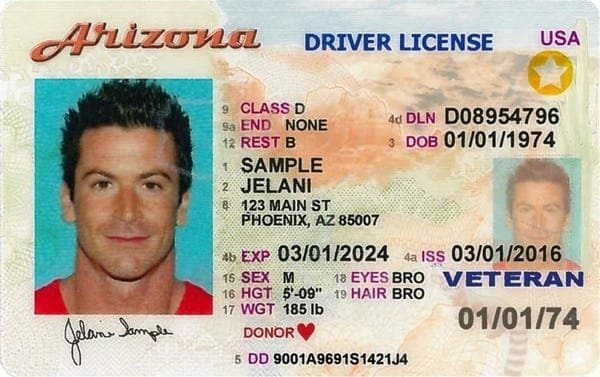
Arizona8 minEasy30 questions

Tests Verified by Daniel Gonzalez
Experienced teacher & Instructional Designer
"These practice tests are built from the DMV handbook to help you actually learn the rules and pass the driving test with confidence"
25000
practice tests completed by Arizona learners this month