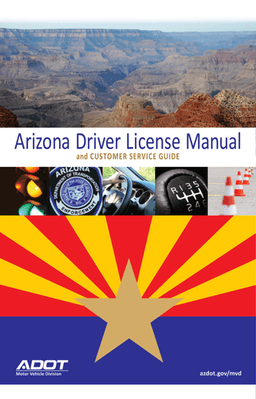
Arizona Driver's Permit Practice Test: Road Signs and Highway Symbols
Getting your permit in Arizona feels like a big step. It is. And the road signs part can catch you unprepared. I don't care if you're practicing in downtown Phoenix, weaving through Mesa's wide arterials, or learning the neighborhoods of Gilbert. Signs here aren't optional reading. They're survival. The Arizona MVD (that's Motor Vehicle Division under ADOT) designs its test to make sure you can read the road at 75 mph in savage desert glare. This isn't just shape memorization. One try. That's what you want.
The Most Important Arizona Road Signs to Study
You'd think stop signs and speed limits dominate. They matter. But the arizona driver's permit practice test digs deeper. You need freeway merge signs burned into your brain. In Glendale and Peoria, you'll hit those ramp meters, and the signs telling you to prepare to stop or merge jump at you quick. Lane control signs are huge. If you've ever driven the reversible lanes on 7th Street and 7th Avenue in Phoenix, you know those overhead arrows can flip your whole route in a heartbeat. Seriously.
Warning signs show up a lot. Not just a generic curve. Think about the "dip" signs on rural roads outside Tucson or "cattle crossing" near open range up north. Construction zone signs are tested heavy. Arizona always has work zones. You're driving through Surprise or Tempe, and suddenly the speed drops. The test wants to see if you respect that orange. Penalties for speeding there are brutal. The MVD won't let you forget it.
- Yellow warning signs for soft shoulders and flash floods.
- Black and white regulatory signs for lane use.
- Orange construction signs with active flagger warnings.
This one trips people up. You'll see a sign shape and freeze because two answers look right.
See more
Getting your permit in Arizona feels like a big step. It is. And the road signs part can catch you unprepared. I don't care if you're practicing in downtown Phoenix, weaving through Mesa's wide arterials, or learning the neighborhoods of Gilbert. Signs here aren't optional reading. They're survival. The Arizona MVD (that's Motor Vehicle Division under ADOT) designs its test to make sure you can read the road at 75 mph in savage desert glare. This isn't just shape memorization. One try. That's what you want.
The Most Important Arizona Road Signs to Study
You'd think stop signs and speed limits dominate. They matter. But the arizona driver's permit practice test digs deeper. You need freeway merge signs burned into your brain. In Glendale and Peoria, you'll hit those ramp meters, and the signs telling you to prepare to stop or merge jump at you quick. Lane control signs are huge. If you've ever driven the reversible lanes on 7th Street and 7th Avenue in Phoenix, you know those overhead arrows can flip your whole route in a heartbeat. Seriously.
Warning signs show up a lot. Not just a generic curve. Think about the "dip" signs on rural roads outside Tucson or "cattle crossing" near open range up north. Construction zone signs are tested heavy. Arizona always has work zones. You're driving through Surprise or Tempe, and suddenly the speed drops. The test wants to see if you respect that orange. Penalties for speeding there are brutal. The MVD won't let you forget it.
- Yellow warning signs for soft shoulders and flash floods.
- Black and white regulatory signs for lane use.
- Orange construction signs with active flagger warnings.
This one trips people up. You'll see a sign shape and freeze because two answers look right.
Arizona3 minEasy13 questions

Tests Verified by Daniel Gonzalez
Experienced teacher & Instructional Designer
"These practice tests are built from the DMV handbook to help you actually learn the rules and pass the driving test with confidence"
How Arizona Highway Signs Differ from Other States
Arizona does things its own way. Signs prove it. Our massive interstate system cutting through Phoenix and Tucson means heavy focus on freeway navigation. The practice learners permit test often highlights interchange signs and exit numbering. If you've driven I-10 through Tempe, you know exits come fast. Miss the sign, and it's a long detour. No joke.
We have hazards other states barely touch. Mountain grade signs appear often. Heading up I-17 toward Flagstaff, you see truck runaway ramp signs and steep grade percentages. Flat states don't test that. Flash flood warning signs are pure Arizona. You spot them around washes in Scottsdale and Chandler. The MVD includes them because ignoring them can cost you money under the "Stupid Motorist Law." The test makes sure you know that "Do Not Enter When Flooded" means exactly what it says. No rolling through. Big mistake.
- Freeway guide signs with loop numbers (101, 202, 303).
- "Watch for Dust Storms" signs with visibility reduction warnings.
- "No Services" signs for remote stretches between cities.
It's easy to overthink these. Shapes look like standard warnings, but context is killer.
Road Signs Arizona Drivers Commonly Misunderstand
Let's be real. Some signs look almost identical. During the arizona driver's permit practice test, many mix up a regulatory sign with a warning sign. A "No Turn on Red" sign is black and white, a rule you must follow. A "Signal Ahead" sign is yellow, a warning that the rule is coming. The difference between "may" and "must" on a test question can cost you a point if you're rushing. Time pressure makes you misread.
Freeway exit numbering confuses new drivers. You see Exit 153 and don't realize it matches mile markers. The test might ask what that number means. Lane-use signs become traps. In Mesa, where wide roads have dedicated turn lanes, you'll see signs showing a left arrow and a straight arrow. People panic. They choose wrong because the diagram seems off under the clock.
- A yellow pennant shape means no passing, not just a warning.
- A white rectangular sign is a regulation, not a suggestion.
- A circular yellow sign warns of a railroad crossing ahead.
I've seen people miss the railroad question simply because they expect a crossbuck instead of a circle. Don't let that be you.
Why Desert Conditions Matter for Sign Recognition
The Arizona sun is brutal. If you're driving home to Peoria or Glendale in late afternoon, glare can wash a sign out completely. The MVD knows this. That's why the test emphasizes quick sign recognition by shape and color, not just reading words. Heading south on a rural highway as the sun sets, you might not read text, but you see that red octagon a mile away. It matters.
Dust storms change everything. If you live in Gilbert or Chandler, you've probably seen a haboob roll in. Visibility drops to zero in seconds. The arizona driver's permit practice test includes signs that warn of "zero visibility zones." You need to know what to do when you barely see that sign. Pull off, lights off, foot off the brake. That sequence saves lives.
- Sun glare makes reflective signs hard to read.
- Dust obscures signs, leaving only a silhouette visible.
- Heat waves distort the distance of overhead signs.
That silhouette recognition is exactly what the MVD is testing for. Hesitate and you fail.
Best Strategies for Memorizing Arizona Road Signs
Don't just stare at a picture. Break it down. I tell people to study colors first. Red means stop or wrong way. Yellow is a general warning. Orange is construction. Green guides. Blue tells you about services. Once colors stick, move to shapes. An upside down triangle always means yield. A circle means railroad crossing coming. A pennant on the left means no passing. Learn them cold.
After basics, hit timed practice tests. A practice learners permit test that runs on a clock forces your brain to react. It mimics real pressure at the MVD office in Scottsdale or downtown Phoenix. You can't sit there five minutes debating if a sign says "divided highway begins" or "divided highway ends." No time to guess. You have to know it.
- Drill the difference between "Keep Right" and "No Passing."
- Use shape flashcards during your lunch break.
- Take a practice test right after studying to check retention.
A friend failed the first time because he mixed up "Merge" and "Added Lane." They look almost identical, but one means you must yield. Don't repeat his mistake.
Arizona Road Signs FAQs
What road signs are most important in Arizona?
Focus on freeway merge signs, lane control signals, and flash flood warnings. The MVD wants to see you handle high-speed interchanges in Phoenix and sudden hazards in rural areas. Don't skip construction zone signs either.
Does Arizona test freeway signs heavily?
Yes. Because cities like Phoenix, Mesa, and Tucson lean so hard on I-10, US-60, and the Loop 101/202 system, exit numbering and HOV lane signs appear often. You need to know what a ramp meter sign looks like and how to read lane-use arrows above reversible lanes.
Are flash flood warning signs included on the permit test?
Absolutely. The Motor Vehicle Division includes "Do Not Enter When Flooded" and "Watch for Water on Road." This ties directly into the "Stupid Motorist Law," and the state is dead serious about not driving around barricades in places like Tucson's washes.
What road sign mistakes are most common in Arizona?
Mixing up regulatory and warning signs is the biggest error. People see a "No Turn on Red" sign and treat it like a warning. Another common mistake is misreading freeway exit signs, especially when the test asks about the exit number's meaning. Time pressure makes you misread the no passing pennant too.
How should I study Arizona road signs effectively?
Start with colors and shapes, then specific meanings. Use a practice learners permit test that simulates the real MVD environment. Drive around your city-whether it's Chandler, Surprise, or Tempe-and call out the signs you see. Real-world practice combined with online testing locks it in fast.
See more
How Arizona Highway Signs Differ from Other States
Arizona does things its own way. Signs prove it. Our massive interstate system cutting through Phoenix and Tucson means heavy focus on freeway navigation. The practice learners permit test often highlights interchange signs and exit numbering. If you've driven I-10 through Tempe, you know exits come fast. Miss the sign, and it's a long detour. No joke.
We have hazards other states barely touch. Mountain grade signs appear often. Heading up I-17 toward Flagstaff, you see truck runaway ramp signs and steep grade percentages. Flat states don't test that. Flash flood warning signs are pure Arizona. You spot them around washes in Scottsdale and Chandler. The MVD includes them because ignoring them can cost you money under the "Stupid Motorist Law." The test makes sure you know that "Do Not Enter When Flooded" means exactly what it says. No rolling through. Big mistake.
- Freeway guide signs with loop numbers (101, 202, 303).
- "Watch for Dust Storms" signs with visibility reduction warnings.
- "No Services" signs for remote stretches between cities.
It's easy to overthink these. Shapes look like standard warnings, but context is killer.
Road Signs Arizona Drivers Commonly Misunderstand
Let's be real. Some signs look almost identical. During the arizona driver's permit practice test, many mix up a regulatory sign with a warning sign. A "No Turn on Red" sign is black and white, a rule you must follow. A "Signal Ahead" sign is yellow, a warning that the rule is coming. The difference between "may" and "must" on a test question can cost you a point if you're rushing. Time pressure makes you misread.
Freeway exit numbering confuses new drivers. You see Exit 153 and don't realize it matches mile markers. The test might ask what that number means. Lane-use signs become traps. In Mesa, where wide roads have dedicated turn lanes, you'll see signs showing a left arrow and a straight arrow. People panic. They choose wrong because the diagram seems off under the clock.
- A yellow pennant shape means no passing, not just a warning.
- A white rectangular sign is a regulation, not a suggestion.
- A circular yellow sign warns of a railroad crossing ahead.
I've seen people miss the railroad question simply because they expect a crossbuck instead of a circle. Don't let that be you.
Why Desert Conditions Matter for Sign Recognition
The Arizona sun is brutal. If you're driving home to Peoria or Glendale in late afternoon, glare can wash a sign out completely. The MVD knows this. That's why the test emphasizes quick sign recognition by shape and color, not just reading words. Heading south on a rural highway as the sun sets, you might not read text, but you see that red octagon a mile away. It matters.
Dust storms change everything. If you live in Gilbert or Chandler, you've probably seen a haboob roll in. Visibility drops to zero in seconds. The arizona driver's permit practice test includes signs that warn of "zero visibility zones." You need to know what to do when you barely see that sign. Pull off, lights off, foot off the brake. That sequence saves lives.
- Sun glare makes reflective signs hard to read.
- Dust obscures signs, leaving only a silhouette visible.
- Heat waves distort the distance of overhead signs.
That silhouette recognition is exactly what the MVD is testing for. Hesitate and you fail.
Best Strategies for Memorizing Arizona Road Signs
Don't just stare at a picture. Break it down. I tell people to study colors first. Red means stop or wrong way. Yellow is a general warning. Orange is construction. Green guides. Blue tells you about services. Once colors stick, move to shapes. An upside down triangle always means yield. A circle means railroad crossing coming. A pennant on the left means no passing. Learn them cold.
After basics, hit timed practice tests. A practice learners permit test that runs on a clock forces your brain to react. It mimics real pressure at the MVD office in Scottsdale or downtown Phoenix. You can't sit there five minutes debating if a sign says "divided highway begins" or "divided highway ends." No time to guess. You have to know it.
- Drill the difference between "Keep Right" and "No Passing."
- Use shape flashcards during your lunch break.
- Take a practice test right after studying to check retention.
A friend failed the first time because he mixed up "Merge" and "Added Lane." They look almost identical, but one means you must yield. Don't repeat his mistake.
Arizona Road Signs FAQs
What road signs are most important in Arizona?
Focus on freeway merge signs, lane control signals, and flash flood warnings. The MVD wants to see you handle high-speed interchanges in Phoenix and sudden hazards in rural areas. Don't skip construction zone signs either.
Does Arizona test freeway signs heavily?
Yes. Because cities like Phoenix, Mesa, and Tucson lean so hard on I-10, US-60, and the Loop 101/202 system, exit numbering and HOV lane signs appear often. You need to know what a ramp meter sign looks like and how to read lane-use arrows above reversible lanes.
Are flash flood warning signs included on the permit test?
Absolutely. The Motor Vehicle Division includes "Do Not Enter When Flooded" and "Watch for Water on Road." This ties directly into the "Stupid Motorist Law," and the state is dead serious about not driving around barricades in places like Tucson's washes.
What road sign mistakes are most common in Arizona?
Mixing up regulatory and warning signs is the biggest error. People see a "No Turn on Red" sign and treat it like a warning. Another common mistake is misreading freeway exit signs, especially when the test asks about the exit number's meaning. Time pressure makes you misread the no passing pennant too.
How should I study Arizona road signs effectively?
Start with colors and shapes, then specific meanings. Use a practice learners permit test that simulates the real MVD environment. Drive around your city-whether it's Chandler, Surprise, or Tempe-and call out the signs you see. Real-world practice combined with online testing locks it in fast.
25000
practice tests completed by Arizona learners this month