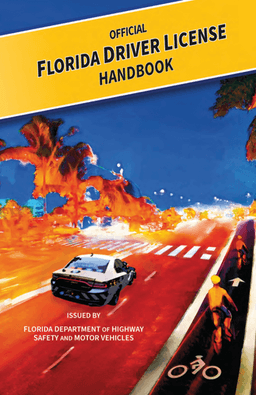
Florida DMV Practice Test - Signaling & Speed Limits
Florida driving tests love the basics, and the basics are where people miss points. This Florida DMV practice test page is built around two topics that show up again and again on the DHSMV exam: signaling and speed limits. Simple stuff. Easy to rush. If you're studying in Miami, Orlando, Tampa, Jacksonville, or anywhere from Tallahassee to Cape Coral, the rules are the same, but the traffic pressure feels different. Tourists cut across lanes. Rain hits fast. And time pressure makes you misread "may" versus "must" on a question.
Good news. You can lock these down quickly. The Florida Department of Highway Safety & Motor Vehicles (DHSMV) expects you to know when to signal, how long to signal, and what speed is legal in common areas like residential streets and school zones. Memorize the patterns, then practice. You've got this.
See more
Florida driving tests love the basics, and the basics are where people miss points. This Florida DMV practice test page is built around two topics that show up again and again on the DHSMV exam: signaling and speed limits. Simple stuff. Easy to rush. If you're studying in Miami, Orlando, Tampa, Jacksonville, or anywhere from Tallahassee to Cape Coral, the rules are the same, but the traffic pressure feels different. Tourists cut across lanes. Rain hits fast. And time pressure makes you misread "may" versus "must" on a question.
Good news. You can lock these down quickly. The Florida Department of Highway Safety & Motor Vehicles (DHSMV) expects you to know when to signal, how long to signal, and what speed is legal in common areas like residential streets and school zones. Memorize the patterns, then practice. You've got this.
Florida3 minEasy13 questions

Tests Verified by Daniel Gonzalez
Experienced teacher & Instructional Designer
"These practice tests are built from the DMV handbook to help you actually learn the rules and pass the driving test with confidence"
Florida Signaling Rules Drivers Must Know
Signals are not optional. Ever. On the driving test Florida students take, you'll see questions that sound like common sense, but they're really rule checks. Signal for turns, lane changes, and anytime your movement could affect another driver. That includes busy multi-lane roads like I 95 in Fort Lauderdale or the Palmetto in Hialeah, where one late merge can cause a chain of braking.
Signal early. Always.
Here are the big ideas DHSMV looks for:
- Turn signals are required before turning, changing lanes, or pulling away from a curb or parking spot.
- You should signal long enough to give other drivers time to react, not at the last second.
- If your signal lights don't work, you must use hand signals.
This one trips people up.
Lane change signaling is a favorite testing point because it mixes judgment with a clear rule. You're expected to check mirrors, check your blind spot, signal, and then move when it's safe. In real life on I 4 near Orlando, people dart around. On the exam, don't. Be methodical. Short pause. Then move.
Turning signals matter most at intersections, especially on wide Florida arterials with lots of driveways and median openings. In places like St. Petersburg or Lucie, you'll see frequent U turns and sudden left turns. U turns are generally legal unless a sign says otherwise, but signaling is still required. No signal, no points.
Florida Speed Limit Rules
Speed limits are memory plus context. Florida roads can go from a calm neighborhood to a fast multi-lane highway in minutes, especially around Jacksonville's spread out routes or Tampa's big interchanges. The DHSMV test often asks for the "typical" limit in a certain area, then mixes in a sign based question.
Read the sign. Then commit.
Know these common categories:
- Residential areas often have lower posted limits, and you're expected to drive for conditions, not just the number.
- Highways and interstates can be much higher, with rural stretches posted up to 70 mph in many areas.
- School zones are strict, heavily enforced, and may use cameras in some places.
This one trips people up.
The most common mistake is assuming a limit stays the same through a corridor. In Miami, one stretch near an expressway ramp might be posted differently than the next. In Orlando near theme parks, traffic flow can hide signs. Keep scanning. Also remember Florida's "headlights when wipers are on" rule ties into speed decisions during storms. When rain gets heavy and visibility drops, slow down. Hydroplaning is real.
Another test habit: students confuse "maximum" with "safe." If the question asks what you should do in rain, fog, or smoke, the best answer often involves reducing speed and increasing following distance, even if you're under the posted limit. Two answers look right. Choose the safer, rule-aligned one.
And don't camp in the left lane. Florida's left-lane "slowpoke" rule means you can be in the wrong even at the speed limit if you're continuously impeding faster traffic on a multi-lane road. That shows up in wording-heavy questions.
Common Signaling and Speed Questions
Practice tests work because they train your brain to spot what DHSMV is really asking. Expect questions like: When must you signal? How far ahead should you signal? What's the correct speed in a school zone when children are present? And what do you do when the weather suddenly turns, like those fast downpours in Cape Coral or Fort Lauderdale?
Slow down mentally.
Watch for these common traps:
- "Signal while turning" versus "signal before turning." The test wants before.
- "Keep up with traffic" versus "obey the speed limit." Obey the limit and drive for conditions.
- "I'm already in the lane" versus "I'm changing position." Pulling from a curb still needs a signal.
This one trips people up.
A good way to remember it is to tie signaling to any change in your car's path, and tie speed to both signs and conditions. If you're studying for a florida dmv practice test, do a few short sets daily instead of one long session. It sticks better. For driving test florida prep, say the rule out loud, then answer. Quick repetition helps under pressure.
One last reminder: Florida allows hazard lights while moving only in extremely low visibility conditions on high-speed roads. It's not a "whenever it rains" rule. That detail can sneak into tricky questions.
Keep practicing. Stay calm. Pass it.
See more
Florida Signaling Rules Drivers Must Know
Signals are not optional. Ever. On the driving test Florida students take, you'll see questions that sound like common sense, but they're really rule checks. Signal for turns, lane changes, and anytime your movement could affect another driver. That includes busy multi-lane roads like I 95 in Fort Lauderdale or the Palmetto in Hialeah, where one late merge can cause a chain of braking.
Signal early. Always.
Here are the big ideas DHSMV looks for:
- Turn signals are required before turning, changing lanes, or pulling away from a curb or parking spot.
- You should signal long enough to give other drivers time to react, not at the last second.
- If your signal lights don't work, you must use hand signals.
This one trips people up.
Lane change signaling is a favorite testing point because it mixes judgment with a clear rule. You're expected to check mirrors, check your blind spot, signal, and then move when it's safe. In real life on I 4 near Orlando, people dart around. On the exam, don't. Be methodical. Short pause. Then move.
Turning signals matter most at intersections, especially on wide Florida arterials with lots of driveways and median openings. In places like St. Petersburg or Lucie, you'll see frequent U turns and sudden left turns. U turns are generally legal unless a sign says otherwise, but signaling is still required. No signal, no points.
Florida Speed Limit Rules
Speed limits are memory plus context. Florida roads can go from a calm neighborhood to a fast multi-lane highway in minutes, especially around Jacksonville's spread out routes or Tampa's big interchanges. The DHSMV test often asks for the "typical" limit in a certain area, then mixes in a sign based question.
Read the sign. Then commit.
Know these common categories:
- Residential areas often have lower posted limits, and you're expected to drive for conditions, not just the number.
- Highways and interstates can be much higher, with rural stretches posted up to 70 mph in many areas.
- School zones are strict, heavily enforced, and may use cameras in some places.
This one trips people up.
The most common mistake is assuming a limit stays the same through a corridor. In Miami, one stretch near an expressway ramp might be posted differently than the next. In Orlando near theme parks, traffic flow can hide signs. Keep scanning. Also remember Florida's "headlights when wipers are on" rule ties into speed decisions during storms. When rain gets heavy and visibility drops, slow down. Hydroplaning is real.
Another test habit: students confuse "maximum" with "safe." If the question asks what you should do in rain, fog, or smoke, the best answer often involves reducing speed and increasing following distance, even if you're under the posted limit. Two answers look right. Choose the safer, rule-aligned one.
And don't camp in the left lane. Florida's left-lane "slowpoke" rule means you can be in the wrong even at the speed limit if you're continuously impeding faster traffic on a multi-lane road. That shows up in wording-heavy questions.
Common Signaling and Speed Questions
Practice tests work because they train your brain to spot what DHSMV is really asking. Expect questions like: When must you signal? How far ahead should you signal? What's the correct speed in a school zone when children are present? And what do you do when the weather suddenly turns, like those fast downpours in Cape Coral or Fort Lauderdale?
Slow down mentally.
Watch for these common traps:
- "Signal while turning" versus "signal before turning." The test wants before.
- "Keep up with traffic" versus "obey the speed limit." Obey the limit and drive for conditions.
- "I'm already in the lane" versus "I'm changing position." Pulling from a curb still needs a signal.
This one trips people up.
A good way to remember it is to tie signaling to any change in your car's path, and tie speed to both signs and conditions. If you're studying for a florida dmv practice test, do a few short sets daily instead of one long session. It sticks better. For driving test florida prep, say the rule out loud, then answer. Quick repetition helps under pressure.
One last reminder: Florida allows hazard lights while moving only in extremely low visibility conditions on high-speed roads. It's not a "whenever it rains" rule. That detail can sneak into tricky questions.
Keep practicing. Stay calm. Pass it.
25000
practice tests completed by Florida learners this month