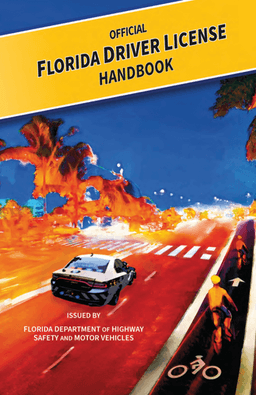
Florida DMV Practice Test - How To Share The Road
Florida roads are busy, and not just in one place. From Jacksonville bridges and I-95 merges to Miami's tight lanes and toll traffic, you'll share space with every kind of road user. That's why "sharing the road" shows up so often on the DHSMV knowledge exam. It's not trick content. It's safety.
This Florida DMV Practice Test: How To Share The Road is built to help you spot the right-of-way rules, understand how to drive around trucks, motorcycles, and bicycles, and avoid the common mistakes that cost points on the drivers permit Florida exam. Read slowly. Seriously.
A tiny exam reality: two answers can look right, but one word changes everything, like may vs must. Time pressure makes people misread. You won't.
See more
Florida roads are busy, and not just in one place. From Jacksonville bridges and I-95 merges to Miami's tight lanes and toll traffic, you'll share space with every kind of road user. That's why "sharing the road" shows up so often on the DHSMV knowledge exam. It's not trick content. It's safety.
This Florida DMV Practice Test: How To Share The Road is built to help you spot the right-of-way rules, understand how to drive around trucks, motorcycles, and bicycles, and avoid the common mistakes that cost points on the drivers permit Florida exam. Read slowly. Seriously.
A tiny exam reality: two answers can look right, but one word changes everything, like may vs must. Time pressure makes people misread. You won't.
Florida5 minEasy18 questions
Tests Verified by Daniel Gonzalez
Experienced teacher & Instructional Designer
"These practice tests are built from the DMV handbook to help you actually learn the rules and pass the driving test with confidence"
Sharing the Road with Different Vehicles
Big vehicles first. Trucks and buses need extra room to turn, merge, and stop. In Orlando on I-4 or Tampa on I-275, you'll see wide turns and quick lane changes near ramps. Don't hang out next to them. Blind spots are real. So is wind push on bridges around St. Petersburg.
- If you can't see the truck driver's mirrors, they can't see you.
- Give trucks more following distance, especially in rain.
- Never cut in right after passing a truck.
This one trips people up.
Motorcycles are smaller, faster to disappear, and easy to misjudge. In Miami and Fort Lauderdale, you'll see motorcycles filtering through traffic, but lane splitting is illegal in Florida. Still, riders may move within their lane to avoid debris. That's allowed. You must treat a motorcycle as a full vehicle. Full lane.
Look twice. Then look again. At intersections, the most common mistake is turning left in front of a motorcycle because it "looked far away." It wasn't.
Bicycles matter too. Florida has serious pedestrian and cyclist crash numbers, and cities like Jacksonville, Tallahassee, and Cape Coral have plenty of bike traffic on multi-lane roads with lots of driveways. Expect sudden turns. Expect door openings near street parking.
Give at least 3 feet when passing a cyclist. More is better. If you're in heavy rain, slow down and leave space because cyclists may swerve to avoid puddles, grates, or debris.
Stay calm.
Right-of-Way Situations in Florida
Intersections are where exam questions love to hide. You need to know who goes first, even when nobody wants to wait. At a four-way stop, the first vehicle to stop should go first. If two vehicles stop at the same time, the driver on the left yields to the driver on the right. Simple rule. Easy points.
Turning left? You yield to oncoming traffic and to pedestrians crossing the street you're turning onto. In busy areas like Hialeah or downtown Orlando, that pedestrian detail is huge. People step off the curb late.
Pedestrian crossings come up a lot. If someone is in a marked crosswalk, you must yield. Not "if you feel like it." Must. Also watch for unmarked crosswalks at intersections. Florida treats many intersections as crosswalk areas even without paint.
Be patient.
Emergency vehicles are another guaranteed topic. If you see flashing lights and hear a siren, pull over to the right and stop, unless directed otherwise. Don't block intersections. Don't try to outrun the situation. Let them work.
Also learn Florida's expanded Move Over law. If an emergency vehicle, tow truck, utility vehicle, sanitation, road maintenance vehicle, or even a disabled vehicle with hazards or flares is stopped, you must move over one lane if possible. If you can't, you must slow down. The rule is 20 mph below the posted limit, or down to 5 mph if the limit is 20 mph or less. That's test material. It can also show up on I-95 in Fort Lauderdale at night when you least expect it.
Read the question carefully.
Safe Behavior When Sharing the Road
Space is your best tool. Following distance helps you react to sudden braking, especially in Florida downpours when the road turns slick fast. In Miami causeway traffic or on the Turnpike near Orlando, people brake hard. Leave room.
Use defensive driving basics:
- Scan ahead, not just the car in front.
- Check mirrors before braking, changing lanes, or turning.
- Keep right except to pass, because Florida's left-lane "slowpoke" rule can be enforced even if you're at the speed limit.
This one trips people up.
Weather changes everything. Florida requires headlights when wipers are on. That's an easy question to miss. In extremely low visibility on high-speed roads, Florida allows hazard flashers while moving, but don't rely on them as a normal rain setting. Focus on slowing down, increasing distance, and staying visible.
Stay alert.
Tourist drivers add another layer. Around Orlando theme parks, Tampa's airport routes, and Miami's rental-heavy areas, expect last-second lane changes near toll entrances. Plan early. Don't cross double white lines in express lanes. Don't panic.
One more modern point: Florida allows fully driverless vehicles when the automated driving system is engaged. You still share the road with them like any other vehicle. Give space. Don't assume.
You've got this.
Use this florida dmv practice test to lock in the rules, then take another run at the questions when you're tired. That's when mistakes happen. The DHSMV test rewards careful reading and safe thinking. Every time.
See more
Sharing the Road with Different Vehicles
Big vehicles first. Trucks and buses need extra room to turn, merge, and stop. In Orlando on I-4 or Tampa on I-275, you'll see wide turns and quick lane changes near ramps. Don't hang out next to them. Blind spots are real. So is wind push on bridges around St. Petersburg.
- If you can't see the truck driver's mirrors, they can't see you.
- Give trucks more following distance, especially in rain.
- Never cut in right after passing a truck.
This one trips people up.
Motorcycles are smaller, faster to disappear, and easy to misjudge. In Miami and Fort Lauderdale, you'll see motorcycles filtering through traffic, but lane splitting is illegal in Florida. Still, riders may move within their lane to avoid debris. That's allowed. You must treat a motorcycle as a full vehicle. Full lane.
Look twice. Then look again. At intersections, the most common mistake is turning left in front of a motorcycle because it "looked far away." It wasn't.
Bicycles matter too. Florida has serious pedestrian and cyclist crash numbers, and cities like Jacksonville, Tallahassee, and Cape Coral have plenty of bike traffic on multi-lane roads with lots of driveways. Expect sudden turns. Expect door openings near street parking.
Give at least 3 feet when passing a cyclist. More is better. If you're in heavy rain, slow down and leave space because cyclists may swerve to avoid puddles, grates, or debris.
Stay calm.
Right-of-Way Situations in Florida
Intersections are where exam questions love to hide. You need to know who goes first, even when nobody wants to wait. At a four-way stop, the first vehicle to stop should go first. If two vehicles stop at the same time, the driver on the left yields to the driver on the right. Simple rule. Easy points.
Turning left? You yield to oncoming traffic and to pedestrians crossing the street you're turning onto. In busy areas like Hialeah or downtown Orlando, that pedestrian detail is huge. People step off the curb late.
Pedestrian crossings come up a lot. If someone is in a marked crosswalk, you must yield. Not "if you feel like it." Must. Also watch for unmarked crosswalks at intersections. Florida treats many intersections as crosswalk areas even without paint.
Be patient.
Emergency vehicles are another guaranteed topic. If you see flashing lights and hear a siren, pull over to the right and stop, unless directed otherwise. Don't block intersections. Don't try to outrun the situation. Let them work.
Also learn Florida's expanded Move Over law. If an emergency vehicle, tow truck, utility vehicle, sanitation, road maintenance vehicle, or even a disabled vehicle with hazards or flares is stopped, you must move over one lane if possible. If you can't, you must slow down. The rule is 20 mph below the posted limit, or down to 5 mph if the limit is 20 mph or less. That's test material. It can also show up on I-95 in Fort Lauderdale at night when you least expect it.
Read the question carefully.
Safe Behavior When Sharing the Road
Space is your best tool. Following distance helps you react to sudden braking, especially in Florida downpours when the road turns slick fast. In Miami causeway traffic or on the Turnpike near Orlando, people brake hard. Leave room.
Use defensive driving basics:
- Scan ahead, not just the car in front.
- Check mirrors before braking, changing lanes, or turning.
- Keep right except to pass, because Florida's left-lane "slowpoke" rule can be enforced even if you're at the speed limit.
This one trips people up.
Weather changes everything. Florida requires headlights when wipers are on. That's an easy question to miss. In extremely low visibility on high-speed roads, Florida allows hazard flashers while moving, but don't rely on them as a normal rain setting. Focus on slowing down, increasing distance, and staying visible.
Stay alert.
Tourist drivers add another layer. Around Orlando theme parks, Tampa's airport routes, and Miami's rental-heavy areas, expect last-second lane changes near toll entrances. Plan early. Don't cross double white lines in express lanes. Don't panic.
One more modern point: Florida allows fully driverless vehicles when the automated driving system is engaged. You still share the road with them like any other vehicle. Give space. Don't assume.
You've got this.
Use this florida dmv practice test to lock in the rules, then take another run at the questions when you're tired. That's when mistakes happen. The DHSMV test rewards careful reading and safe thinking. Every time.
25000
practice tests completed by Florida learners this month