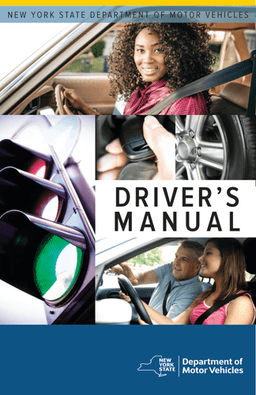
How to Share the Road - New York Permit Practice Test
If you're studying for the New York driving test, the "share the road" questions are the ones that quietly decide whether you feel ready-or suddenly unsure. It's not just signs and lanes. It's predicting people. Fast.
New York has its own pressure. In NYC it can feel nonstop: pedestrians stepping off the curb mid-block, taxis stopping with no warning, and that right-on-red rule that catches out-of-towners. Upstate-Buffalo, Rochester, Syracuse, Albany-still demands quick decisions, especially when roads are slick and speeds climb. Same law. Different rhythm.
Read slowly. On a new york permit practice test, two answers often look right, and time pressure makes you misread "may" versus "must." The DMV knows that. So do examiners.
See more
If you're studying for the New York driving test, the "share the road" questions are the ones that quietly decide whether you feel ready-or suddenly unsure. It's not just signs and lanes. It's predicting people. Fast.
New York has its own pressure. In NYC it can feel nonstop: pedestrians stepping off the curb mid-block, taxis stopping with no warning, and that right-on-red rule that catches out-of-towners. Upstate-Buffalo, Rochester, Syracuse, Albany-still demands quick decisions, especially when roads are slick and speeds climb. Same law. Different rhythm.
Read slowly. On a new york permit practice test, two answers often look right, and time pressure makes you misread "may" versus "must." The DMV knows that. So do examiners.
New York6 minEasy22 questions
Tests Verified by Daniel Gonzalez
Experienced teacher & Instructional Designer
"These practice tests are built from the DMV handbook to help you actually learn the rules and pass the driving test with confidence"
Sharing the Road With Pedestrians
Assume someone will walk. Always.
Crosswalks, bus stops, school zones, crowded corners in Manhattan or downtown Brooklyn-these are obvious. The trick is the "quiet" places, too: wider streets in Rochester, calmer blocks in Albany, or a suburban strip in Yonkers. The rule doesn't change. If a pedestrian is in a crosswalk, you must yield.
Stop early.
Look twice.
Wait.
This one trips people up.
Give them time and space even if they're moving slowly, pushing a stroller, or hesitating. And yes, jaywalking happens. A lot. But the legal duty to avoid a crash stays on you, not on how annoyed you feel.
Turning is where most mistakes start. Before you turn right or left, scan the crosswalk first, then check the lane you're entering. That order matters because pedestrians and turning cars conflict constantly, especially at busy intersections.
Don't rush it.
This one trips people up.
Driving Near Cyclists
Bikes are everywhere now-protected lanes in NYC, college areas near Syracuse, busy arterials in Buffalo. The test isn't about how quickly you can "get around" a cyclist. It's about patience, scanning, and leaving room.
Give space.
Stay calm.
This one trips people up.
Before you turn across a bike lane, merge, or pull toward the curb, check mirrors and do a shoulder check. Cyclists can be faster than you expect, especially when you're judging distance through a windshield in rain.
Motorcycles count here too. They're narrow, harder to see at night, and easy to misjudge when they're approaching from behind. And remember a detail the NY DMV loves: if your wipers are on, your headlights must be on.
Small detail. Big ticket.
This one trips people up.
When passing a cyclist, don't squeeze by just because you technically "fit." Wait for a safer gap and pass with room. On narrow streets in Mount Vernon or New Rochelle, slowing down and waiting is usually the correct move, even if someone behind you seems impatient.
Sharing the Road With Trucks and Buses
Big vehicles need space. More than you think.
In NYC, buses are constantly pulling in and out of stops. Upstate cities like Utica or Schenectady still have delivery trucks making wide turns and blocking sight lines. Don't sit in their blind spots, and don't assume they can stop like a car.
Be predictable.
Signal early.
This one trips people up.
If a bus is signaling to re-enter traffic, be ready to yield when it's safe and don't try to race past the front bumper. They move slowly, but they move steadily-and they'll win every time.
Watch the turns.
This one trips people up.
School buses are stricter. Flashing red lights and the stop arm are not a suggestion. Know when you must stop and how long you must wait. Practice questions are usually written with "no exceptions" energy, because the law is treated that way.
Also, keep in mind that many New York parkways restrict commercial trucks. That changes where large vehicles show up, especially around NYC approaches, and it affects merging behavior in ways new drivers don't expect.
Emergency vehicles and the Move Over Law
New York's Move Over Law is tested because it's both safety and legal duty. It applies to emergency vehicles, tow trucks, and other authorized vehicles with flashing amber lights.
Move over.
Or slow.
This one trips people up.
If you can move over safely, you must. If you can't, slow down and give space. On highways near Buffalo or Syracuse during snow events, you'll see plows and service vehicles on the shoulder-treat them the same way. In cramped areas like the Cross Bronx Expressway or near the George Washington Bridge, you may not have room to change lanes, so a smooth slowdown is often the "right" answer.
No panic braking.
This one trips people up.
Distractions, phones, and "red light" mistakes
New York takes handheld phone rules seriously. The simplest way to remember it: don't hold it. Not while driving. Not while stopped at a red light. Not "just for a second."
Hands off.
Eyes up.
This one trips people up.
Set navigation before you move. If you truly need to use your phone, pull over safely and park. The DMV also treats other portable electronic devices as distractions, and exam questions love to tempt you into thinking a quick glance is fine.
It isn't.
This one trips people up.
Intersections, turns, and NYC right-on-red
Intersections are where sharing the road becomes real: pedestrians in the crosswalk, bikes coming up the side, cars changing lanes late, and people rushing yellow lights. It all happens at once.
Read signs.
Then decide.
This one trips people up.
Here's the NYC-specific rule that causes a lot of misses: right turn on red is prohibited throughout New York City unless a sign specifically allows it. That's the opposite of what many drivers assume. Outside the city-places like Albany or New Rochelle-right on red is generally allowed unless posted otherwise, but you still have to come to a complete stop and yield properly.
Full stop. Every time.
This one trips people up.
Be careful with U-turns too. They're restricted in business districts, near curves with limited visibility, and anywhere there's a sign. On the road test, if you're not sure, don't do it. Cautious wins.
Slow is safe.
This one trips people up.
See more
Sharing the Road With Pedestrians
Assume someone will walk. Always.
Crosswalks, bus stops, school zones, crowded corners in Manhattan or downtown Brooklyn-these are obvious. The trick is the "quiet" places, too: wider streets in Rochester, calmer blocks in Albany, or a suburban strip in Yonkers. The rule doesn't change. If a pedestrian is in a crosswalk, you must yield.
Stop early. Look twice. Wait. This one trips people up.
Give them time and space even if they're moving slowly, pushing a stroller, or hesitating. And yes, jaywalking happens. A lot. But the legal duty to avoid a crash stays on you, not on how annoyed you feel.
Turning is where most mistakes start. Before you turn right or left, scan the crosswalk first, then check the lane you're entering. That order matters because pedestrians and turning cars conflict constantly, especially at busy intersections.
Don't rush it. This one trips people up.
Driving Near Cyclists
Bikes are everywhere now-protected lanes in NYC, college areas near Syracuse, busy arterials in Buffalo. The test isn't about how quickly you can "get around" a cyclist. It's about patience, scanning, and leaving room.
Give space. Stay calm. This one trips people up.
Before you turn across a bike lane, merge, or pull toward the curb, check mirrors and do a shoulder check. Cyclists can be faster than you expect, especially when you're judging distance through a windshield in rain.
Motorcycles count here too. They're narrow, harder to see at night, and easy to misjudge when they're approaching from behind. And remember a detail the NY DMV loves: if your wipers are on, your headlights must be on.
Small detail. Big ticket. This one trips people up.
When passing a cyclist, don't squeeze by just because you technically "fit." Wait for a safer gap and pass with room. On narrow streets in Mount Vernon or New Rochelle, slowing down and waiting is usually the correct move, even if someone behind you seems impatient.
Sharing the Road With Trucks and Buses
Big vehicles need space. More than you think.
In NYC, buses are constantly pulling in and out of stops. Upstate cities like Utica or Schenectady still have delivery trucks making wide turns and blocking sight lines. Don't sit in their blind spots, and don't assume they can stop like a car.
Be predictable. Signal early. This one trips people up.
If a bus is signaling to re-enter traffic, be ready to yield when it's safe and don't try to race past the front bumper. They move slowly, but they move steadily-and they'll win every time.
Watch the turns. This one trips people up.
School buses are stricter. Flashing red lights and the stop arm are not a suggestion. Know when you must stop and how long you must wait. Practice questions are usually written with "no exceptions" energy, because the law is treated that way.
Also, keep in mind that many New York parkways restrict commercial trucks. That changes where large vehicles show up, especially around NYC approaches, and it affects merging behavior in ways new drivers don't expect.
Emergency vehicles and the Move Over Law
New York's Move Over Law is tested because it's both safety and legal duty. It applies to emergency vehicles, tow trucks, and other authorized vehicles with flashing amber lights.
Move over. Or slow. This one trips people up.
If you can move over safely, you must. If you can't, slow down and give space. On highways near Buffalo or Syracuse during snow events, you'll see plows and service vehicles on the shoulder-treat them the same way. In cramped areas like the Cross Bronx Expressway or near the George Washington Bridge, you may not have room to change lanes, so a smooth slowdown is often the "right" answer.
No panic braking. This one trips people up.
Distractions, phones, and "red light" mistakes
New York takes handheld phone rules seriously. The simplest way to remember it: don't hold it. Not while driving. Not while stopped at a red light. Not "just for a second."
Hands off. Eyes up. This one trips people up.
Set navigation before you move. If you truly need to use your phone, pull over safely and park. The DMV also treats other portable electronic devices as distractions, and exam questions love to tempt you into thinking a quick glance is fine.
It isn't. This one trips people up.
Intersections, turns, and NYC right-on-red
Intersections are where sharing the road becomes real: pedestrians in the crosswalk, bikes coming up the side, cars changing lanes late, and people rushing yellow lights. It all happens at once.
Read signs. Then decide. This one trips people up.
Here's the NYC-specific rule that causes a lot of misses: right turn on red is prohibited throughout New York City unless a sign specifically allows it. That's the opposite of what many drivers assume. Outside the city-places like Albany or New Rochelle-right on red is generally allowed unless posted otherwise, but you still have to come to a complete stop and yield properly.
Full stop. Every time. This one trips people up.
Be careful with U-turns too. They're restricted in business districts, near curves with limited visibility, and anywhere there's a sign. On the road test, if you're not sure, don't do it. Cautious wins.
Slow is safe. This one trips people up.
25000
practice tests completed by New York learners this month