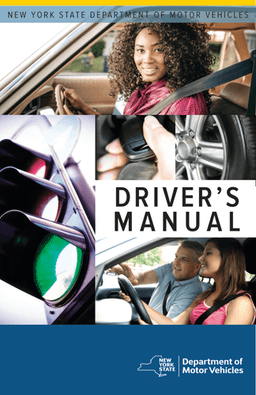
New York Rules of the Road Practice Test
"Rules of the road" sounds like something you already know, right up until you're staring at the New York learner's permit test and the choices feel weirdly similar. They are. Words matter. Under a timer, it's easy to misread may vs must, and suddenly two answers look right.
A good rules of the road practice test fixes that. It takes the stuff you "kind of" know and turns it into fast decisions you can make when your brain is buzzing.
Different parts of the state bring different stress. In New York City you'll deal with one-way streets, bikes slipping by, and pedestrians stepping off the curb like they own the block. Up around Buffalo, Rochester, or Syracuse, the weather can flip in minutes and visibility gets dicey fast. Albany, Schenectady, and Utica feel like a mix-city intersections, then quicker roads just outside town. Downstate spots like Yonkers, New Rochelle, and Mount Vernon add commuter traffic and tighter lanes.
Same handbook. Different feel. Read twice.
See more
"Rules of the road" sounds like something you already know, right up until you're staring at the New York learner's permit test and the choices feel weirdly similar. They are. Words matter. Under a timer, it's easy to misread may vs must, and suddenly two answers look right.
A good rules of the road practice test fixes that. It takes the stuff you "kind of" know and turns it into fast decisions you can make when your brain is buzzing.
Different parts of the state bring different stress. In New York City you'll deal with one-way streets, bikes slipping by, and pedestrians stepping off the curb like they own the block. Up around Buffalo, Rochester, or Syracuse, the weather can flip in minutes and visibility gets dicey fast. Albany, Schenectady, and Utica feel like a mix-city intersections, then quicker roads just outside town. Downstate spots like Yonkers, New Rochelle, and Mount Vernon add commuter traffic and tighter lanes.
Same handbook. Different feel. Read twice.
New York2 minEasy8 questions

Tests Verified by Daniel Gonzalez
Experienced teacher & Instructional Designer
"These practice tests are built from the DMV handbook to help you actually learn the rules and pass the driving test with confidence"
Understanding New York Traffic Laws
New York traffic laws aren't just "rules to memorize." They're more like a shared script so everyone can predict what's coming next, even when the road is messy.
The DMV leans hard on everyday situations: turning, lane changes, signals, school zones, and what to do when conditions get bad. Don't guess. A lot of questions hinge on one word, and the test loves details that people skip when they're nervous.
Here are a few that show up again and again:
- Handheld phone use is illegal even if you're stopped at a red light.
- If weather forces you to use wipers, you must turn on headlights too.
- In NYC, a right turn on red is usually not allowed unless a sign clearly says it is.
This one trips people up.
Also learn the Move Over law the way the DMV expects it. In New York, you must move over (or slow down if you can't safely move over) for emergency vehicles stopped on the roadside. And yes, that includes a lot more than police cars-think tow trucks and hazard vehicles with amber lights.
Snow changes everything. So does foot traffic. The point is to connect the law to what you'll actually see on your routes, whether that's a crowded Queens avenue or a quiet upstate road that suddenly turns slick.
Stay practical. Eyes up.
Right-of-Way Rules
Right-of-way is all over permit exams because it's where new drivers get tangled up: intersections, crosswalks, driveways, and parking lots. Most beginner crashes happen at low speeds with someone assuming it's "their turn."
Start with pedestrians. In New York, you must yield to pedestrians in crosswalks. In Manhattan, downtown Brooklyn, or anywhere near a busy bus stop, people will cross when they shouldn't, and the safest mindset is to expect it anyway.
At intersections without signs or signals, the basic pattern is: yield to any vehicle already in the intersection, and if you arrive at the same time, yield to the vehicle on your right. Simple on paper. Harder when parked cars block your view on narrow streets in places like Mount Vernon or Yonkers.
Left turns are a classic question for a reason. When you're turning left, you generally yield to oncoming traffic going straight (and to oncoming traffic turning right). The test will phrase it in a way that makes you second-guess, but the idea is consistent: the left-turning driver usually waits.
A few high-frequency right-of-way reminders the DMV likes:
- Yield when entering a road from a driveway, alley, or private road.
- Pull over and yield to emergency vehicles using lights or sirens.
- Don't enter an intersection if traffic will force you to block it, even on a green light.
This one trips people up.
U-turns are another spot where New York is stricter than people expect. U-turns are not allowed in business districts, near curves or hills where you can't see well, or anywhere a sign prohibits them. When you're unsure, the safe answer-on the road and on the exam-is usually "don't do it."
Slow down. Then decide. Make space.
Speed Limits and Driving Laws
Speed questions aren't only about picking the right number. The DMV cares about when you must slow down even if you're under the posted limit, because that's what keeps crashes from happening.
Posted limits change quickly across the state. NYC generally runs lower speeds and has aggressive enforcement, especially around schools. In Rochester or Schenectady, you can roll from a faster road into a commercial strip in a couple of blocks, and the signs can change before you've even settled in.
But the bigger idea is the basic speed law: you must drive at a speed that's reasonable and prudent for conditions. Rain, fog, snow, heavy traffic, glare at dusk-those are all reasons to reduce speed, even if you're "technically" below the limit. If your wipers are on, your headlights must be on too, and that little detail shows up on practice tests constantly because it's easy to forget in real life.
Work zones and school zones matter a lot, both for safety and because the penalties are steep. In parts of Syracuse, Buffalo, and Utica, winter road work and plow activity can create sudden lane shifts. In the city, school zones feel like they pop up everywhere, and the cameras don't care if you were "just keeping up with traffic."
Three quick driving-law points that tend to repeat on a New York permit practice set:
- Increase following distance in rain or snow; don't drive at your normal spacing.
- Obey temporary and reduced speeds in work zones, even if workers aren't visible.
- Don't assume you can turn right on red in NYC unless a sign allows it.
This one trips people up.
One last reality check: heavy, aggressive traffic doesn't change the law. On routes like the Cross Bronx Expressway or the LIE, someone will tailgate, cut in, or fly past you. Let them go. Your job is to be legal, predictable, and calm.
Pass first. Drive smart. Stay calm.
See more
Understanding New York Traffic Laws
New York traffic laws aren't just "rules to memorize." They're more like a shared script so everyone can predict what's coming next, even when the road is messy.
The DMV leans hard on everyday situations: turning, lane changes, signals, school zones, and what to do when conditions get bad. Don't guess. A lot of questions hinge on one word, and the test loves details that people skip when they're nervous.
Here are a few that show up again and again:
- Handheld phone use is illegal even if you're stopped at a red light.
- If weather forces you to use wipers, you must turn on headlights too.
- In NYC, a right turn on red is usually not allowed unless a sign clearly says it is. This one trips people up.
Also learn the Move Over law the way the DMV expects it. In New York, you must move over (or slow down if you can't safely move over) for emergency vehicles stopped on the roadside. And yes, that includes a lot more than police cars-think tow trucks and hazard vehicles with amber lights.
Snow changes everything. So does foot traffic. The point is to connect the law to what you'll actually see on your routes, whether that's a crowded Queens avenue or a quiet upstate road that suddenly turns slick.
Stay practical. Eyes up.
Right-of-Way Rules
Right-of-way is all over permit exams because it's where new drivers get tangled up: intersections, crosswalks, driveways, and parking lots. Most beginner crashes happen at low speeds with someone assuming it's "their turn."
Start with pedestrians. In New York, you must yield to pedestrians in crosswalks. In Manhattan, downtown Brooklyn, or anywhere near a busy bus stop, people will cross when they shouldn't, and the safest mindset is to expect it anyway.
At intersections without signs or signals, the basic pattern is: yield to any vehicle already in the intersection, and if you arrive at the same time, yield to the vehicle on your right. Simple on paper. Harder when parked cars block your view on narrow streets in places like Mount Vernon or Yonkers.
Left turns are a classic question for a reason. When you're turning left, you generally yield to oncoming traffic going straight (and to oncoming traffic turning right). The test will phrase it in a way that makes you second-guess, but the idea is consistent: the left-turning driver usually waits.
A few high-frequency right-of-way reminders the DMV likes:
- Yield when entering a road from a driveway, alley, or private road.
- Pull over and yield to emergency vehicles using lights or sirens.
- Don't enter an intersection if traffic will force you to block it, even on a green light. This one trips people up.
U-turns are another spot where New York is stricter than people expect. U-turns are not allowed in business districts, near curves or hills where you can't see well, or anywhere a sign prohibits them. When you're unsure, the safe answer-on the road and on the exam-is usually "don't do it."
Slow down. Then decide. Make space.
Speed Limits and Driving Laws
Speed questions aren't only about picking the right number. The DMV cares about when you must slow down even if you're under the posted limit, because that's what keeps crashes from happening.
Posted limits change quickly across the state. NYC generally runs lower speeds and has aggressive enforcement, especially around schools. In Rochester or Schenectady, you can roll from a faster road into a commercial strip in a couple of blocks, and the signs can change before you've even settled in.
But the bigger idea is the basic speed law: you must drive at a speed that's reasonable and prudent for conditions. Rain, fog, snow, heavy traffic, glare at dusk-those are all reasons to reduce speed, even if you're "technically" below the limit. If your wipers are on, your headlights must be on too, and that little detail shows up on practice tests constantly because it's easy to forget in real life.
Work zones and school zones matter a lot, both for safety and because the penalties are steep. In parts of Syracuse, Buffalo, and Utica, winter road work and plow activity can create sudden lane shifts. In the city, school zones feel like they pop up everywhere, and the cameras don't care if you were "just keeping up with traffic."
Three quick driving-law points that tend to repeat on a New York permit practice set:
- Increase following distance in rain or snow; don't drive at your normal spacing.
- Obey temporary and reduced speeds in work zones, even if workers aren't visible.
- Don't assume you can turn right on red in NYC unless a sign allows it. This one trips people up.
One last reality check: heavy, aggressive traffic doesn't change the law. On routes like the Cross Bronx Expressway or the LIE, someone will tailgate, cut in, or fly past you. Let them go. Your job is to be legal, predictable, and calm.
Pass first. Drive smart. Stay calm.
25000
practice tests completed by New York learners this month