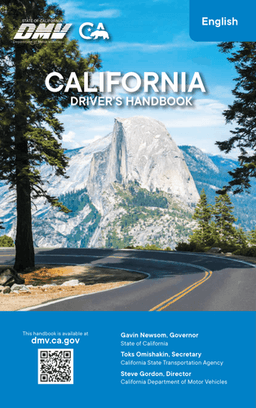
California Driving Practice Test: Defensive Driving
Defensive driving sounds like one of those DMV buzzwords. Until it isn't. It can be the difference between passing your California road test and having to book another appointment you don't want.
A lot of california driving test practice questions are built around the same idea: what you do before trouble shows up. Not after you're already panicking in the intersection.
California makes it real. Fast lane changes on the 405 in Los Angeles. Pedestrians stepping off the curb on steep San Francisco streets. Fog and sudden slowdowns near beach exits in San Diego. Tight merges around busy interchanges in San Jose. Tule fog and farm equipment near Fresno. Downtown multi-lane turns and commuting pressure in Sacramento.
Stay calm. Stay ready. Defensive driving is basically buying yourself time-space, visibility, and options-so you don't have to "save it" at the last second. On the test, two answers often look right, but the safer one is usually what the DMV wants.
See more
Defensive driving sounds like one of those DMV buzzwords. Until it isn't. It can be the difference between passing your California road test and having to book another appointment you don't want.
A lot of california driving test practice questions are built around the same idea: what you do before trouble shows up. Not after you're already panicking in the intersection.
California makes it real. Fast lane changes on the 405 in Los Angeles. Pedestrians stepping off the curb on steep San Francisco streets. Fog and sudden slowdowns near beach exits in San Diego. Tight merges around busy interchanges in San Jose. Tule fog and farm equipment near Fresno. Downtown multi-lane turns and commuting pressure in Sacramento.
Stay calm. Stay ready. Defensive driving is basically buying yourself time-space, visibility, and options-so you don't have to "save it" at the last second. On the test, two answers often look right, but the safer one is usually what the DMV wants.
California2 minEasy9 questions
Tests Verified by Daniel Gonzalez
Experienced teacher & Instructional Designer
"These practice tests are built from the DMV handbook to help you actually learn the rules and pass the driving test with confidence"
What Defensive Driving Means
Defensive driving means you expect surprises. Always. You drive like other people will make mistakes, even if you're doing everything correctly.
Think in space and time. Leave enough following distance so you can stop smoothly instead of slamming your brakes when traffic stacks up on I‑5 or US‑101. Choose lanes that give you room to escape, especially in busy areas like Anaheim, Long Beach, or Oakland where drivers merge fast and don't always signal.
Be predictable. Signal early. Brake gradually. Don't dart around. The California driving test leans hard on this because it's not just about what's legal-it's about what lowers risk.
A few habits show up constantly in practice quizzes and the written exam:
- Keep a safe following distance, and increase it in rain, fog, or heavy traffic.
- Look ahead, not only at the bumper in front of you.
- Make decisions early, especially before exits and merges.
This one trips people up.
Defensive driving also means cutting distractions. California's hands-free rule is strict: if you're using your phone for navigation, it should be mounted, and you're limited to a single tap or swipe. On test day, don't touch it. At all.
Also, know the California-specific stuff testers expect you to respect. Motorcycles can lane split here. It's legal. That means you check mirrors, keep your lane position steady, and avoid drifting-especially in stop-and-go traffic around Los Angeles and San Diego.
Simple habits. Big results.
Scanning the Road for Hazards
Scanning is active. Not staring. Not daydreaming. Your eyes move on purpose: near, far, and side-to-side.
Look 10 to 15 seconds ahead so brake lights, stopped traffic, or a light changing doesn't surprise you. In San Francisco, scanning uphill and downhill matters because sightlines change fast. In Fresno, scanning farther ahead can save you during tule fog, when cars show up late and visibility collapses fast.
Use a rhythm. Quick mirror checks. Speed check. Side streets. Crosswalks. Bike lanes. Repeat. This is exactly how you spot the hazards the written California driving test loves to ask about-like pedestrians at unmarked crosswalks or a car rolling out from a driveway.
Watch the edges. Parked cars can swing doors open, especially in Oakland and San Jose. Kids can pop out between cars. Delivery vans block your view. It happens quickly.
A solid scan usually covers:
- Ahead for traffic flow, signals, and brake lights.
- Left/right for bikes, pedestrians, and cross traffic.
- Mirrors for tailgaters or fast-approaching vehicles.
This one trips people up.
Read signs early, too. California has plenty of "No Turn on Red" signs, especially around dense city intersections in downtown Los Angeles and parts of San Francisco. If it's posted, you wait. Even if the person behind you is impatient.
Lane position matters as well. Stay centered. Give extra room next to cyclists, motorcycles, and big trucks. On freeways near Bakersfield, those big rigs can kick up wind push and spray in the rain. Small detail. Real risk.
Predicting Other Drivers' Actions
Prediction is the core skill. You don't assume people will do the right thing. You assume they might do the common wrong thing, and you plan around it.
In Southern California, expect last-second exits and sudden lane changes. It's practically a sport. If you see a car drifting toward an off-ramp lane, ease off early and give them room. You're not "letting them in." You're avoiding the crash that ruins your day.
Also assume someone may push a yellow light. Especially in heavy traffic when people get impatient-think Sacramento rush hour or busy San Diego corridors. If the light has been green for a while, cover the brake and be ready for the change.
Look for clues. Wheels turning before the car moves. A driver inching forward at a stop sign. Head not facing the road. A turn signal blinking but no slowing. These little tells give you a head start.
Try these instead of reacting late:
- If someone tailgates you, increase your following distance and change lanes when it's safe.
- If a motorcycle is lane splitting, hold steady and avoid sudden moves.
- If a driver looks confused, slow slightly and create space.
This one trips people up.
On test day, the pressure makes people misread small words-especially "may" versus "must." That tiny difference can flip the right answer. Defensive driving questions usually reward the choice that creates space and time, not the one that proves you're technically right.
Stay alert. Be patient. Pass the test.
See more
What Defensive Driving Means
Defensive driving means you expect surprises. Always. You drive like other people will make mistakes, even if you're doing everything correctly.
Think in space and time. Leave enough following distance so you can stop smoothly instead of slamming your brakes when traffic stacks up on I‑5 or US‑101. Choose lanes that give you room to escape, especially in busy areas like Anaheim, Long Beach, or Oakland where drivers merge fast and don't always signal.
Be predictable. Signal early. Brake gradually. Don't dart around. The California driving test leans hard on this because it's not just about what's legal-it's about what lowers risk.
A few habits show up constantly in practice quizzes and the written exam:
- Keep a safe following distance, and increase it in rain, fog, or heavy traffic.
- Look ahead, not only at the bumper in front of you.
- Make decisions early, especially before exits and merges. This one trips people up.
Defensive driving also means cutting distractions. California's hands-free rule is strict: if you're using your phone for navigation, it should be mounted, and you're limited to a single tap or swipe. On test day, don't touch it. At all.
Also, know the California-specific stuff testers expect you to respect. Motorcycles can lane split here. It's legal. That means you check mirrors, keep your lane position steady, and avoid drifting-especially in stop-and-go traffic around Los Angeles and San Diego.
Simple habits. Big results.
Scanning the Road for Hazards
Scanning is active. Not staring. Not daydreaming. Your eyes move on purpose: near, far, and side-to-side.
Look 10 to 15 seconds ahead so brake lights, stopped traffic, or a light changing doesn't surprise you. In San Francisco, scanning uphill and downhill matters because sightlines change fast. In Fresno, scanning farther ahead can save you during tule fog, when cars show up late and visibility collapses fast.
Use a rhythm. Quick mirror checks. Speed check. Side streets. Crosswalks. Bike lanes. Repeat. This is exactly how you spot the hazards the written California driving test loves to ask about-like pedestrians at unmarked crosswalks or a car rolling out from a driveway.
Watch the edges. Parked cars can swing doors open, especially in Oakland and San Jose. Kids can pop out between cars. Delivery vans block your view. It happens quickly.
A solid scan usually covers:
- Ahead for traffic flow, signals, and brake lights.
- Left/right for bikes, pedestrians, and cross traffic.
- Mirrors for tailgaters or fast-approaching vehicles. This one trips people up.
Read signs early, too. California has plenty of "No Turn on Red" signs, especially around dense city intersections in downtown Los Angeles and parts of San Francisco. If it's posted, you wait. Even if the person behind you is impatient.
Lane position matters as well. Stay centered. Give extra room next to cyclists, motorcycles, and big trucks. On freeways near Bakersfield, those big rigs can kick up wind push and spray in the rain. Small detail. Real risk.
Predicting Other Drivers' Actions
Prediction is the core skill. You don't assume people will do the right thing. You assume they might do the common wrong thing, and you plan around it.
In Southern California, expect last-second exits and sudden lane changes. It's practically a sport. If you see a car drifting toward an off-ramp lane, ease off early and give them room. You're not "letting them in." You're avoiding the crash that ruins your day.
Also assume someone may push a yellow light. Especially in heavy traffic when people get impatient-think Sacramento rush hour or busy San Diego corridors. If the light has been green for a while, cover the brake and be ready for the change.
Look for clues. Wheels turning before the car moves. A driver inching forward at a stop sign. Head not facing the road. A turn signal blinking but no slowing. These little tells give you a head start.
Try these instead of reacting late:
- If someone tailgates you, increase your following distance and change lanes when it's safe.
- If a motorcycle is lane splitting, hold steady and avoid sudden moves.
- If a driver looks confused, slow slightly and create space. This one trips people up.
On test day, the pressure makes people misread small words-especially "may" versus "must." That tiny difference can flip the right answer. Defensive driving questions usually reward the choice that creates space and time, not the one that proves you're technically right.
Stay alert. Be patient. Pass the test.
25000
practice tests completed by California learners this month