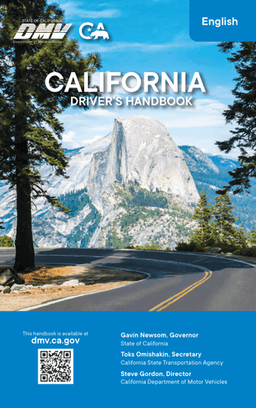
California Written Driving Test Practice: Hazard Situations
The California DMV exam isn't only signs and speed limits. It's judgment. The california written driving test loves hazard questions that feel easy at home, then you're staring at the screen and two answers look right. Time pressure makes you misread. Breathe.
Hazards pop up everywhere in this state. Fast. They show up in dense Los Angeles and San Diego traffic when someone darts across three lanes, and they show up on quieter roads too-like a foggy morning outside Fresno or a sudden backup on Highway 99. Quick.
The DMV (Department of Motor Vehicles) is basically asking one thing: can you see trouble coming and respond without making it worse? You don't have to be perfect. You do have to be ready.
Use this as california written driving test practice for the hazard situations that tend to show up in questions-San Jose commutes, steep San Francisco streets, and Sacramento school-zone chaos. Study once. Drive better.
See more
The California DMV exam isn't only signs and speed limits. It's judgment. The california written driving test loves hazard questions that feel easy at home, then you're staring at the screen and two answers look right. Time pressure makes you misread. Breathe.
Hazards pop up everywhere in this state. Fast. They show up in dense Los Angeles and San Diego traffic when someone darts across three lanes, and they show up on quieter roads too-like a foggy morning outside Fresno or a sudden backup on Highway 99. Quick.
The DMV (Department of Motor Vehicles) is basically asking one thing: can you see trouble coming and respond without making it worse? You don't have to be perfect. You do have to be ready.
Use this as california written driving test practice for the hazard situations that tend to show up in questions-San Jose commutes, steep San Francisco streets, and Sacramento school-zone chaos. Study once. Drive better.
California3 minEasy13 questions
Tests Verified by Daniel Gonzalez
Experienced teacher & Instructional Designer
"These practice tests are built from the DMV handbook to help you actually learn the rules and pass the driving test with confidence"
What Is a Driving Hazard
A driving hazard is anything that could make you change speed, change direction, or stop. Anything. Sometimes it's loud and obvious, like a pedestrian stepping into a crosswalk in Oakland. Sometimes it's subtle, like late-day glare on the 405 near Long Beach that hides brake lights until the last second. Blink and you miss it.
Most hazards fit into three buckets: people, other vehicles, and the road itself. The written test usually isn't trying to see if you can "handle it." It's checking whether you choose the safest legal move, even when that means backing off and waiting.
Common hazards include:
- Pedestrians, cyclists, and kids near schools or parks
- Drivers doing unpredictable things (hard braking, drifting, sudden lane changes)
- Road issues like rain-slick lanes, construction zones, and debris
This one trips people up.
California also has its own "normal" hazards. Motorcycles can legally lane split. That means a motorcycle appearing between lanes in heavy traffic isn't some rare event you only see in videos-it's Tuesday on the 101 in Los Angeles or in San Jose at rush hour. Not rare.
And hazards don't have to move. A parked delivery truck on a tight San Francisco street can block your view of a crosswalk or hide a car pulling out. Visibility counts. A lot.
Identifying Hazards Early
Good drivers don't just react faster. They notice sooner. That's what the california written driving test is rewarding when it asks, "What should you do next?" Early spotting gives you choices, and choices keep you out of panic decisions. Eyes up.
Scanning is the habit that makes this work. Look far ahead, then back to the space around your car, then to your mirrors, then far ahead again. Repeat. In heavy traffic-like I‑5 through San Diego or the Bay Bridge approach-you're watching for patterns: brake lights rippling, a gap closing too fast, a car creeping toward your lane line. Little clues.
A simple routine helps:
- Look about 10-15 seconds ahead for slowdowns, turning cars, and pedestrians
- Check mirrors often, especially before braking or changing lanes
- Keep an "escape path" in mind (space to the side, space behind)
This one trips people up.
Intersections deserve extra attention because that's where multiple hazards stack at once. A green light doesn't mean "go without thinking." It means "go if it's safe." In Bakersfield or Sacramento you'll still see red-light runners. In parts of Los Angeles you'll also run into posted right-turn-on-red restrictions. Read the sign. Every time.
Language traps show up in test questions too. "May" vs. "must" matters. So does "if safe" versus "always." One word can change the correct choice, and that's exactly why rushing is dangerous.
Distraction is another hazard the DMV sneaks in. California's hands-free rules are strict, and if a question hints you're holding a phone, the safest answer is usually to not use it while driving-or to pull over somewhere legal and safe first. Simple.
Safe Reactions to Hazards
Once you spot a hazard, your job is to respond smoothly and legally. Not dramatically. The test tends to favor calm actions: slow down, create space, and be ready to stop. Stay calm.
Braking is often right, but "brake" doesn't always mean "slam." If you see someone lingering near a crosswalk in downtown San Diego or Oakland, easing off the gas and covering the brake early is smart. If traffic ahead looks unstable, increase following distance so you're not forced into hard braking later. Space is safety.
Side hazards are tricky, especially in cities. Think about a car door that could swing open on a San Francisco curb lane, or someone stepping out from between parked cars. If you can move over safely, give extra clearance. If you can't, slow down and be ready. No hero moves.
Three safe reactions show up again and again on DMV-style questions:
- Slow early and increase following distance
- Change lanes only with space, mirror checks, and a blind-spot look
- Use the horn lightly to warn, not to punish
This one trips people up.
Sometimes the safest move is choosing not to change lanes. If traffic is stopped and a motorcycle is lane splitting in Los Angeles or San Jose, don't drift toward the lane line to "make room" in a sloppy way. Hold your lane. Be predictable. That's what keeps everyone from guessing.
Weather changes everything too. In Fresno tule fog, slow down, use low beams, and build a bigger cushion so you're not outrunning what you can see. On mountain roads or wet freeway ramps, be gentle: smooth steering, gradual braking, no sudden corrections. Traction disappears fast.
One more test mindset: the DMV wants the safest legal option, not the fastest or most convenient one. Even if it feels a little slow. Especially then.
See more
What Is a Driving Hazard
A driving hazard is anything that could make you change speed, change direction, or stop. Anything. Sometimes it's loud and obvious, like a pedestrian stepping into a crosswalk in Oakland. Sometimes it's subtle, like late-day glare on the 405 near Long Beach that hides brake lights until the last second. Blink and you miss it.
Most hazards fit into three buckets: people, other vehicles, and the road itself. The written test usually isn't trying to see if you can "handle it." It's checking whether you choose the safest legal move, even when that means backing off and waiting.
Common hazards include:
- Pedestrians, cyclists, and kids near schools or parks
- Drivers doing unpredictable things (hard braking, drifting, sudden lane changes)
- Road issues like rain-slick lanes, construction zones, and debris
This one trips people up.
California also has its own "normal" hazards. Motorcycles can legally lane split. That means a motorcycle appearing between lanes in heavy traffic isn't some rare event you only see in videos-it's Tuesday on the 101 in Los Angeles or in San Jose at rush hour. Not rare.
And hazards don't have to move. A parked delivery truck on a tight San Francisco street can block your view of a crosswalk or hide a car pulling out. Visibility counts. A lot.
Identifying Hazards Early
Good drivers don't just react faster. They notice sooner. That's what the california written driving test is rewarding when it asks, "What should you do next?" Early spotting gives you choices, and choices keep you out of panic decisions. Eyes up.
Scanning is the habit that makes this work. Look far ahead, then back to the space around your car, then to your mirrors, then far ahead again. Repeat. In heavy traffic-like I‑5 through San Diego or the Bay Bridge approach-you're watching for patterns: brake lights rippling, a gap closing too fast, a car creeping toward your lane line. Little clues.
A simple routine helps:
- Look about 10-15 seconds ahead for slowdowns, turning cars, and pedestrians
- Check mirrors often, especially before braking or changing lanes
- Keep an "escape path" in mind (space to the side, space behind)
This one trips people up.
Intersections deserve extra attention because that's where multiple hazards stack at once. A green light doesn't mean "go without thinking." It means "go if it's safe." In Bakersfield or Sacramento you'll still see red-light runners. In parts of Los Angeles you'll also run into posted right-turn-on-red restrictions. Read the sign. Every time.
Language traps show up in test questions too. "May" vs. "must" matters. So does "if safe" versus "always." One word can change the correct choice, and that's exactly why rushing is dangerous.
Distraction is another hazard the DMV sneaks in. California's hands-free rules are strict, and if a question hints you're holding a phone, the safest answer is usually to not use it while driving-or to pull over somewhere legal and safe first. Simple.
Safe Reactions to Hazards
Once you spot a hazard, your job is to respond smoothly and legally. Not dramatically. The test tends to favor calm actions: slow down, create space, and be ready to stop. Stay calm.
Braking is often right, but "brake" doesn't always mean "slam." If you see someone lingering near a crosswalk in downtown San Diego or Oakland, easing off the gas and covering the brake early is smart. If traffic ahead looks unstable, increase following distance so you're not forced into hard braking later. Space is safety.
Side hazards are tricky, especially in cities. Think about a car door that could swing open on a San Francisco curb lane, or someone stepping out from between parked cars. If you can move over safely, give extra clearance. If you can't, slow down and be ready. No hero moves.
Three safe reactions show up again and again on DMV-style questions:
- Slow early and increase following distance
- Change lanes only with space, mirror checks, and a blind-spot look
- Use the horn lightly to warn, not to punish
This one trips people up.
Sometimes the safest move is choosing not to change lanes. If traffic is stopped and a motorcycle is lane splitting in Los Angeles or San Jose, don't drift toward the lane line to "make room" in a sloppy way. Hold your lane. Be predictable. That's what keeps everyone from guessing.
Weather changes everything too. In Fresno tule fog, slow down, use low beams, and build a bigger cushion so you're not outrunning what you can see. On mountain roads or wet freeway ramps, be gentle: smooth steering, gradual braking, no sudden corrections. Traction disappears fast.
One more test mindset: the DMV wants the safest legal option, not the fastest or most convenient one. Even if it feels a little slow. Especially then.
25000
practice tests completed by California learners this month